
11 Best Fertility Books
The best fertility books, ranked by how many expert sources recommend each one, with notes for cycle education, treatment preparation, and emotional support.
Our take
Fertility books answer different kinds of questions. Some explain menstrual cycles and the process of trying to conceive. Others describe investigations, treatment decisions, and the financial or emotional demands of infertility. Memoirs and essay collections can provide recognition and companionship when a practical manual feels too detached from everyday experience. A book’s proposed program and a personal treatment story also need to be read as different kinds of information.
For cycle education, begin with Taking Charge of Your Fertility. The Trying Game offers a patient-centered introduction to navigating treatment, while Get A Life presents IVF through both partners’ experiences. Not Pregnant and Conquering Infertility concentrate on emotional coping; The Art of Waiting offers a more reflective view. Books such as It Starts with the Egg and Making Babies present particular approaches to fertility preparation. Start with the question you need answered, and use medical reading to prepare discussions with your care team.
11 books · 9 sources · Last updated
As an Amazon Associate, we earn from qualifying purchases (at no extra cost to you).
How to choose from this list
Skip to the full rankingIf you want to understand cycle charting: Taking Charge of Your Fertility
If you're preparing for treatment: The Trying Game → Get A Life
If you want emotional support: Not Pregnant → Conquering Infertility
If you prefer reflective essays: The Art of Waiting
If you want a conversational introduction: The Impatient Woman's Guide to Getting Pregnant
The 11 books, ranked
Ranked by how many expert sources name each book. Ties go to the book more people recommend.

It Starts with the Egg
For readers who want to examine an author’s research-based approach to preparing for conception or IVF. Its focus on egg quality distinguishes it from emotional companions, though proposed supplements and lifestyle changes need discussion with a treating clinician.
What it's about
Rebecca Fett examines research on egg quality and presents her approach to preparing for conception and IVF. The guide discusses nutrition, supplements, and environmental exposures, explaining how she applies findings from fertility research to everyday choices.

The Trying Game
Get Through Fertility Treatment and Get Pregnant without Losing Your Mind
For readers preparing for fertility treatment who want practical decisions discussed alongside emotional strain. The patient perspective connects appointments with everyday life, though personal experience and interviews cannot predict how a particular treatment course will unfold.
What it's about
Amy Klein draws on her fertility treatment experiences and expert interviews to guide readers through clinical decisions and emotional upheaval. Topics include choosing doctors, financing treatment, IVF, and egg freezing, alongside the social pressures of trying to become a parent.

For readers interested in how conventional and traditional Chinese approaches are combined in one fertility program. The structured presentation makes the authors’ framework clear, though their fertility types and proposed interventions should not be treated as established clinical guidance.
What it's about
Jill Blakeway and Sami David outline a three-month fertility program combining their approaches to Chinese and Western medicine. Their framework of fertility types connects discussions of possible causes of infertility with lifestyle choices, acupuncture, and conventional treatment options.

Taking Charge of Your Fertility
The Definitive Guide to Natural Birth Control, Pregnancy Achievement, and Reproductive Health
For readers who want a detailed introduction to observing and charting menstrual cycles. Its educational focus is more systematic than a treatment memoir, though learning cycle patterns does not diagnose the causes of infertility or replace individualized assessment.
What it's about
Toni Weschler explains fertility awareness through menstrual cycle observation and charting. The guide covers reproductive health, conception, and birth control, helping readers understand patterns in their cycles and the bodily signs used to identify fertile days.

For readers who want reflective writing about infertility and the wider meanings of parenthood. The essays connect personal experience with cultural questions, though they offer contemplation rather than step-by-step planning or a guide to clinical care.
What it's about
Belle Boggs combines her experience of infertility with essays on medicine, motherhood, and the meanings of waiting. Her reflections move through art, nature, adoption, surrogacy, and cultural expectations, examining the personal and social pressures surrounding the desire for children.
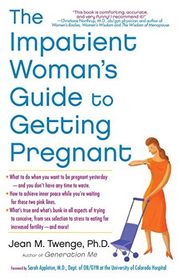
The Impatient Woman's Guide to Getting Pregnant
For readers who want a conversational introduction to conception questions and the emotions surrounding them. Its shorter, accessible approach differs from a detailed charting manual, though older research interpretations and medical suggestions need checking against current guidance.
What it's about
Jean Twenge discusses conception, timing, reproductive research, and the emotional pressures of trying to become pregnant. Personal experiences and explanations of studies address questions about planning for a baby, uncertainty, relationships, and common fertility advice.

For readers who want companionship through grief, uncertainty, and difficult conversations about infertility. Its emotional focus offers something different from conception manuals, though it provides less detail about medical investigations and the decisions surrounding specific treatments.
What it's about
Cathie Quillet and Shannon Sutherland address the emotional experience of infertility, including grief, relationship tensions, and difficult conversations. Drawing on personal experience, the book offers companionship for readers facing unsuccessful treatment, miscarriage, and the uncertainty of trying to conceive.

The Infertility Cure
The Ancient Chinese Wellness Program for Getting Pregnant and Having Healthy Babies
For readers who want to understand a traditional Chinese medicine perspective on fertility. It explains the author’s wellness framework in detail, though the title’s promise of a cure exceeds what readers should assume about the proposed approaches.
What it's about
Randine Lewis presents a fertility program based on traditional Chinese medicine, discussing diet, herbs, and acupressure alongside her accounts of treatment. The book explains her wellness approach and how she proposes combining it with conventional fertility care.
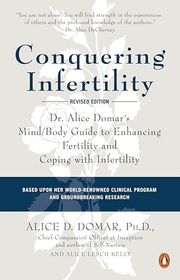
Conquering Infertility: Dr. Alice Domar's Mind/Body Guide to Enhancing Fertility and Coping with Infertility
For readers who want structured ways to cope with the emotional demands of infertility. Exercises distinguish it from a purely reflective memoir, though emotional support should not be confused with a guarantee that reducing stress will produce pregnancy.
What it's about
Alice Domar and Alice Lesch Kelly discuss the psychological strain of infertility and present coping practices, relaxation exercises, and patient experiences. The book addresses relationships, treatment decisions, and finding support while facing uncertainty about becoming a parent.

For couples who want to understand how IVF can feel from both partners’ perspectives. The paired accounts bring relationship strains into view, though the UK setting and personal experiences do not provide a universal map of treatment.
What it's about
Rosie Bray and Richard Mackney describe IVF from both partners' perspectives, pairing personal experiences with advice for navigating treatment. Mirrored accounts explore appointments, injections, disappointment, and the strain on a relationship, emphasizing the emotional realities behind the clinical process.

WomanCode
Perfect Your Cycle, Amplify Your Fertility, Supercharge Your Sex Drive, and Become a Power Source
For readers interested in a lifestyle-centered account of menstrual cycles and hormonal health. The author’s personal framework offers a different perspective from a treatment memoir, though its broad claims about hormones and fertility need independent clinical scrutiny.
What it's about
Alisa Vitti presents a five-step lifestyle program centered on menstrual cycles and hormonal health, drawing on her experience with polycystic ovary syndrome. She explains her approach to food and daily habits and its proposed relationship to fertility, energy, and sexuality.
Sources
- 1
Top Fertility Books Worth Reading
genesisfertility.com
- 2
What are Some of the Best Fertility Books Out There?
cofertility.com
- 3
12 Books on Infertility for Guidance Through Your Journey
redrockfertility.com
- 4
Fertility Books
goodreads.com
- 5
Best Fertility Books 2026: Must-Reads for TTC
fertilestart.com
- 6
Book recommendations on infertility
reddit.com
- 7
Book recs?
reddit.com
- 8
Trying to Conceive Book Roundup
lucieslist.com
- 9
5 Highest Rated Books About Fertility
rrc.com







Edited by
Software engineer whose passion for tracking book recommendations from podcasts inspired the creation of MRB.
Lead investor at 3one4 Capital whose startup expertise and love for books helped shape MRB and its growth.
Comments
Spotted a missing book, a wrong order or a mistake? Tell us and we'll fix this page.
We're a reading guide, not the author or publisher, so we can't send books or pass on messages.