
10 Best Epistemology Books
The best epistemology books, ranked by how many expert sources recommend each one, with notes on beginner guides, classic arguments, and where to start.
Our take
Epistemology asks what makes a belief count as knowledge and what justifies trusting perception, memory, reasoning, or other people. These questions matter whenever an apparently reliable belief turns out to be mistaken. The books here offer several ways into the subject: short introductions, sustained textbooks, collections of original essays, and historical works that still shape the arguments.
Knowledge: A Very Short Introduction provides a compact first encounter, while What Is This Thing Called Knowledge? offers a fuller course with study questions. Robert Audi’s textbook develops the sources and structure of knowledge in more detail. For original works, Meditations on First Philosophy makes doubt its starting point, and Hume’s An Enquiry Concerning Human Understanding questions familiar assumptions about evidence and causation. Locke and Kant require more sustained attention. Start with Nagel if the subject is new, then choose a textbook before moving into the anthology or longer classics.
10 books · 7 sources · Last updated
As an Amazon Associate, we earn from qualifying purchases (at no extra cost to you).
How to choose from this list
Skip to the full rankingIf you're new to the subject: Knowledge → What Is This Thing Called Knowledge?
If you want Audi's systematic course: Epistemology
If you want Sosa's collection of original essays: Epistemology
If you want a historical route: Meditations on First Philosophy → An Enquiry Concerning Human Understanding
If you're ready for a demanding major work: An Essay Concerning Human Understanding → Critique of Pure Reason
If you prefer philosophical dialogue: Theaetetus
The 10 books, ranked
Ranked by how many expert sources name each book. Ties go to the book more people recommend.
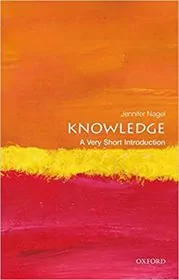
For newcomers who want the central questions explained before committing to a textbook. Its compact examples make the subject approachable, though the short format cannot follow every argument or contemporary debate in depth.
What it's about
Jennifer Nagel introduces epistemology by asking what separates knowledge from belief and whether knowing requires justification. Historical arguments and contemporary puzzles draw on philosophy, psychology, linguistics, and logic to examine how people understand and evaluate claims.

An Enquiry Concerning Human Understanding
For readers ready to examine why experience does not automatically justify our expectations. Its focused arguments make a manageable historical entry point, though the eighteenth-century prose and skeptical conclusions reward slow, attentive reading.
What it's about
David Hume examines the limits of human knowledge and the relationship between experience, reasoning, and belief. His discussions of causation and evidence challenge the certainty of everyday assumptions and ask what can justify claims about the world.

For students who want a sustained, systematic introduction to knowledge and justification. Its organization around perception, memory, reason, and testimony helps connect the debates, though the detailed analysis is more demanding than a short overview.
What it's about
Robert Audi introduces central questions about knowledge, belief, justification, and evidence. The book examines perception, reason, testimony, skepticism, and competing epistemological theories, with discussion of how the field connects to philosophy of mind, science, and ethics.

Meditations on First Philosophy
For readers who want to follow a compact argument from radical doubt toward certainty. Its first-person structure gives abstract questions dramatic focus, though the claims about God and mind invite objections that deserve separate study.
What it's about
Through six meditations, Descartes subjects familiar beliefs to radical doubt in search of a secure foundation for knowledge. He considers the thinking self, the existence of God, and the distinction between mind and body while examining certainty and perception.

Theaetetus
For readers who enjoy testing definitions through conversation rather than receiving a settled theory. Its unresolved debate makes the difficulty of defining knowledge vivid, though the dialogue’s length and indirect movement can frustrate newcomers.
What it's about
Socrates debates the nature of knowledge with Theodorus and the young Theaetetus shortly before his trial. Their conversation tests accounts based on perception, true belief, and supporting explanation, examining the difficulties involved in defining what it means to know.

Critique of Pure Reason
For readers with philosophical background who want a major challenge to both empiricism and rationalism. Its account of the conditions of experience is foundational, though the technical vocabulary and tightly connected arguments make it a difficult starting point.
What it's about
Immanuel Kant examines the scope and limits of human knowledge, bringing rationalist and empiricist concerns into a new philosophical framework. He investigates the roles of experience and reason and the conditions under which metaphysical claims can be assessed.

For readers who want to encounter influential arguments in their original essays. Its range supports comparing competing positions directly, though the shifts between authors and technical assumptions make an introductory textbook a useful companion.
What it's about
Ernest Sosa and fellow editors collect influential readings on the theory of knowledge. The anthology examines skepticism, justification, foundationalism, coherentism and virtue epistemology, alongside questions about testimony, memory, perception and the value of knowing.

An Essay Concerning Human Understanding
For readers interested in how experience, ideas, and language connect in an early account of knowledge. Its scope supplies valuable historical foundations, though its length and repeated distinctions make it less approachable than a modern introduction.
What it's about
John Locke argues that knowledge comes from experience and perception rather than innate ideas. His philosophical inquiry examines how reason develops understanding, alongside questions about language, personal identity, free will, and the limits of human knowledge.
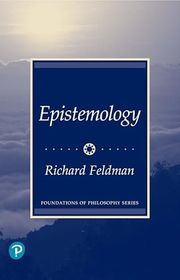
Epistemology
For students who want a concise course built around clear arguments and competing answers. Its disciplined treatment offers more sustained analysis than a brief overview, though it concentrates on a particular strand of analytic epistemology.
What it's about
Richard Feldman introduces the theory of knowledge through questions about evidence, justification, perception, and skepticism. The textbook develops and evaluates competing positions, helping readers follow philosophical arguments and assess what supports ordinary claims to know.
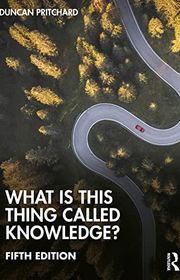
What Is This Thing Called Knowledge?
For beginners ready to work through a full introductory course. Its short chapters and study questions support independent learning, though the textbook approach asks for more active engagement than simply reading a general overview.
What it's about
Duncan Pritchard introduces the central problems of epistemology, including defining knowledge, understanding evidence, and responding to skepticism. The fifth edition also explores social questions about knowledge, with study aids and further reading to support a first course.
Sources
- 1
Epistemology Reading List – The Best 9 Books to Read
philosophybreak.com
- 2
Epistemology Books: Where to Start with the Theory of Knowledge
philosophyprofessor.com
- 3
Epistemology Books
goodreads.com
- 4
Where to start on epistemology.
reddit.com
- 5
Knowledge and Reality Reading List
users.ox.ac.uk
- 6
Best Books on Epistemology: A Reader's Guide to the Theory of Knowledge
makeheadway.com
- 7
Metaphysics/Epistemology Book Recs
reddit.com


Edited by
Software engineer whose passion for tracking book recommendations from podcasts inspired the creation of MRB.
Lead investor at 3one4 Capital whose startup expertise and love for books helped shape MRB and its growth.
Comments
Spotted a missing book, a wrong order or a mistake? Tell us and we'll fix this page.
We're a reading guide, not the author or publisher, so we can't send books or pass on messages.