
22 Best Dr Seuss Books
The best Dr. Seuss books, ranked by how many expert sources recommend each one, with notes for choosing early readers, read-aloud stories, and adult gifts.
Our take
Dr. Seuss's books range from short sound games for young listeners to longer rhyming stories about fairness, responsibility, and conflict. The strange creatures and rhythmic language connect them, but they ask very different things of a reader. The Foot Book and Mr. Brown Can Moo! Can You? invite participation, while Hop on Pop gives beginning readers short words to tackle themselves. Fox in Socks turns that pleasure in sound into a much tougher speaking challenge.
For a longer read-aloud, try the Horton stories or The Cat in the Hat. The Cat's return works best after his first visit; most other choices stand alone. The Lorax and The Butter Battle Book give families bigger questions to discuss, while You're Only Old Once! aims its medical humor at adults. Start with Green Eggs and Ham for a repeated-word story, or Mr. Brown Can Moo! Can You? for a child who wants to make noise alongside you.
22 books · 9 sources · Last updated
As an Amazon Associate, we earn from qualifying purchases (at no extra cost to you).
Reading Dr. Seuss in order? See all Dr. Seuss books in order
How to choose from this list
Skip to the full rankingIf you're practicing first words: Hop on Pop → Green Eggs and Ham
If you want sound games: Mr. Brown Can Moo! Can You? → Fox in Socks
If you want longer read-aloud stories: Horton Hatches the Egg → Horton Hears a Who!
If you want to discuss bigger ideas: The Sneetches and Other Stories → The Lorax → The Butter Battle Book
If you want the Cat's adventures: The Cat in the Hat → The Cat in the Hat Comes Back
If you're choosing an adult milestone gift: Oh, the Places You'll Go! → You're Only Old Once!
The 22 books, ranked
Ranked by how many expert sources name each book. Ties go to the book more people recommend.
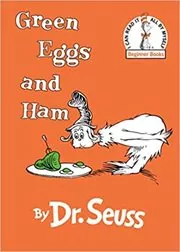
Green Eggs and Ham
For beginners who enjoy recognizing repeated words. A tightly limited vocabulary supports a sustained comic story, offering more narrative momentum than isolated word exercises, though the insistent repetition can tire adults reading it repeatedly.
What it's about
Sam-I-Am follows a stubborn skeptic everywhere, offering one strange meal after another. The rhymes build as the refusals pile up, until a single bite proves that trying something new can change your mind.
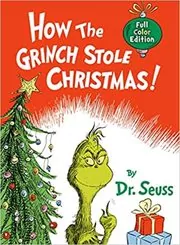
How the Grinch Stole Christmas!
For a seasonal read-aloud about what makes a celebration matter. Its strong story arc gives the moral an emotional setting, though the Christmas focus makes it less versatile than the everyday reading choices here.
What it's about
The Grinch hates the noise and cheer from Whoville, so he steals every decoration and gift he can find. But Christmas shows up anyway, and the Grinch has to rethink what the holiday is really made of.
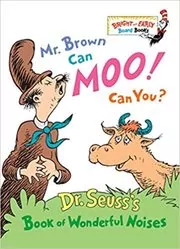
Mr. Brown Can Moo! Can You?
For toddlers who want to participate before they can read. Copyable noises turn each page into an invitation to perform, though children seeking characters and a developing story may soon want something more substantial.
What it's about
Mr. Brown makes sounds that kids can copy, from animal noises to everyday clanks and pops. The book dares readers to moo, buzz, and whisper along, turning reading time into a loud, giggly sound-effect show.
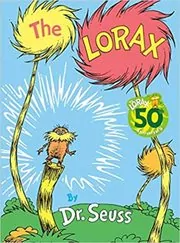
The Lorax
For families ready to talk about environmental responsibility. The extended fable connects consumption with consequences more directly than the early readers, though its bleak stretches and pointed message may need discussion with younger children.
What it's about
A boy learns the story of the Once-ler, who turned Truffula Trees into products until the land was ruined. The Lorax tries to speak for what’s being lost, and the tale ends with a small seed and a big responsibility.
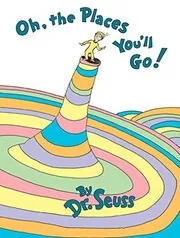
Oh, the Places You'll Go!
For graduation gifts or anyone facing a change. Its direct address makes encouragement feel personal, with room for setbacks as well as ambition, though readers wanting a funny story may find it more like a speech.
What it's about
A hopeful journey through life’s ups and downs that cheers readers on through waiting, setbacks, and fresh starts. It’s part poem, part pep talk, and it’s often picked up as a graduation or milestone gift.
Also recommended by
3 people Richard Branson recommended this book
Richard Branson
Richard Branson recommended this book on his "70 must-read books" blog post.
Richard Branson's recommendation of this book  Lisa Ling recommended this book
Lisa Ling
"As a child of humble means, this book allowed me to believe that I could go anywhere and do anything." - Lisa Ling
Lisa Ling's recommendation of this book 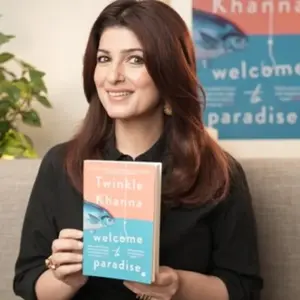 Twinkle Khanna recommended this book
Twinkle Khanna
"I read this Dr Seuss book to the baby but it truly is a guide to life for grownups as well." - Twinkle Khanna
Twinkle Khanna's recommendation of this book
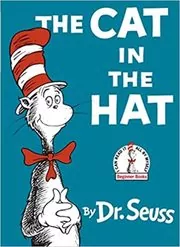
For early readers ready to follow a continuous comic story. The controlled vocabulary combines reading practice with escalating tension, though the longer text and worries about breaking rules can demand more attention than the simplest books.
What it's about
Two kids stuck inside on a rainy day get an unexpected visitor, a tall cat with a top hat and a taste for trouble. Games, messes, and Thing One and Thing Two explode across the house, and cleanup becomes a race.
Also recommended by
1 person Thomas Frank recommended this book
Thomas Frank
"The greatest productivity book of all time." - Thomas Frank
Thomas Frank's recommendation of this book
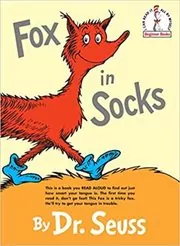
Fox in Socks
For confident speakers who enjoy an out-loud challenge. Its increasingly tangled sound patterns make pronunciation part of the comedy, though this is a demanding tongue-twister game rather than an easy first independent read.
What it's about
The Fox challenges Mr. Knox with tongue twisters that get harder every time. Bricks, chicks, clocks, and socks stack up in rapid rhyme until even the characters want a break from the wordplay.
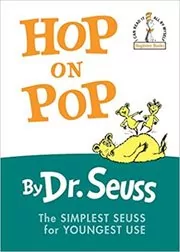
Hop on Pop
For children beginning to combine short words. The compact phrases make small reading successes easy to notice, though the sequence of little jokes offers less sustained storytelling than Green Eggs and Ham or the Cat books.
What it's about
A short-word classic that lets kids practice reading while the pictures turn simple phrases into silly scenes. It’s built for beginners, with bouncy rhyme and lots of chances to sound out words and laugh at the results.
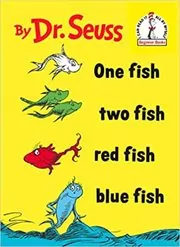
One Fish, Two Fish, Red Fish, Blue Fish
For children who like browsing strange pictures and joining in rhymes. Its changing scenes offer more variety than a single sustained story, though readers who need a clear plot may lose interest between episodes.
What it's about
A bouncy parade of fish, kids, and made-up creatures turns simple words into nonstop surprises. Along the way it plays with colors, counting, opposites, and nonsense names, making it a classic read-aloud for early readers.
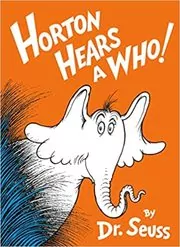
For shared reading about fairness and listening to others. Its sustained moral fable gives families more to discuss than the beginner word games, though the longer narrative and threatening moments require a patient audience.
What it's about
Horton hears a tiny voice coming from a speck of dust and realizes a whole community lives there. He vows to protect it from danger and disbelief, even when the other animals insist he’s imagining everything.
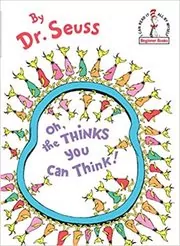
Oh, the Thinks You Can Think!
For children who like inventing creatures and drawing imagined worlds. Its open-ended prompts leave more space for their own ideas than the plot-driven stories, though the loose structure offers little narrative resolution.
What it's about
The Cat in the Hat invites readers to imagine wild creatures, places, and possibilities. It’s a celebration of open-ended creativity, repeating the message that the best ideas start when you let your mind wander.
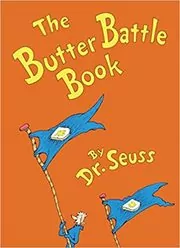
The Butter Battle Book
For older children discussing conflict and escalating threats. The absurd premise makes an arms race understandable without a history lesson, though its unresolved tension calls for conversation rather than a reassuring bedtime finish.
What it's about
Two neighboring groups feud over whether bread should be buttered on the top or the bottom. Their argument spirals into bigger weapons and louder threats, turning a silly dispute into a sharp caution about escalation.
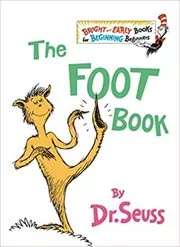
The Foot Book
For very young listeners who like movement and repetition. Its short rhythmic contrasts invite marching, pointing, and chanting together, though the narrow focus on feet makes it slighter than the longer picture-book stories.
What it's about
Left foot, right foot, wet foot, dry foot, this speedy book turns simple opposites into nonstop rhythm. It’s perfect for toddlers who like to chant along, with playful pictures that keep the feet marching.
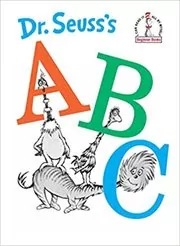
Dr. Seuss's ABC
For children exploring letters and their sounds with an adult. The exaggerated alliteration makes the alphabet memorable, though the invented names and vocabulary mean this works better as shared sound play than straightforward decoding practice.
What it's about
From A to Z, each letter becomes an excuse for a new creature, a new name, and a new tongue-twister. The alphabet turns into a lively parade that makes letter sounds feel like a game instead of homework.
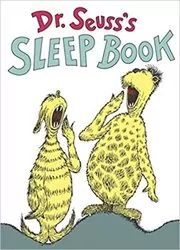
Dr. Seuss's Sleep Book
For bedtime readers who enjoy lingering over elaborate pictures. Its sprawling procession of sleepy creatures creates a different pace from the short beginner books, though its length may overwhelm a quick lights-out routine.
What it's about
As night rolls in, creatures everywhere get drowsy, yawn, and snore in their own silly ways. The rhymes move from gentle to goofy, building a bedtime rhythm that feels like a lullaby with jokes tucked inside.
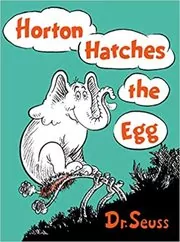
For listeners ready for a longer story about keeping a promise. Its repeated refrain gives children a way to join in, though the extended ordeal demands more patience than the short beginner readers.
What it's about
Horton the elephant promises to sit on Mayzie’s egg while she takes a break, and he sticks with it through ridicule, weather, and exhaustion. When Horton and the egg are carried far from home, his loyalty is tested.
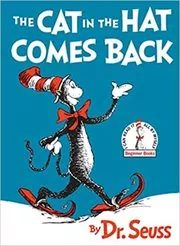
For readers who already enjoy the Cat's chaotic humor. The expanding visual pattern and alphabet play add another reading challenge, though newcomers will get a clearer introduction to the character from the first book.
What it's about
The Cat returns promising to help, but he makes a bigger mess that spreads from room to room. A chain of smaller and smaller cats appears, each causing more trouble, until the kids have to reverse the chaos fast.
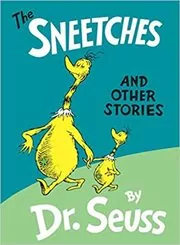
For families who want several stories that open conversations about prejudice, stubbornness, and fear. The collection offers more thematic variety than a single fable, though younger listeners may need help unpacking the social satire.
What it's about
Star-Belly and plain-Belly Sneetches feud over who belongs, until a slick salesman offers to add and remove stars for a price. The switching game gets expensive and exhausting, pushing everyone toward a hard lesson about status.
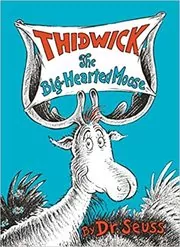
Thidwick the Big-Hearted Moose
For families discussing generosity and personal boundaries. Its older-fashioned fable gives kindness a more complicated treatment than the beginner books, though the mounting exploitation and hunting danger may unsettle sensitive listeners.
What it's about
Thidwick is so friendly that he lets one creature after another move onto his antlers, until the freeloaders take over his whole life. The story follows his struggle to stay kind without letting others trample his boundaries.
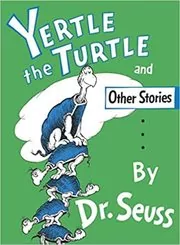
For shared reading about power, envy, and boasting. Three separate fables let families choose a theme without committing to one long story, though their pointed lessons offer less carefree nonsense than the early readers.
What it's about
Yertle, a bossy turtle king, orders other turtles to stack up so he can sit higher and rule more. His hunger for power keeps growing, until one small turtle’s protest brings the whole tower crashing down.
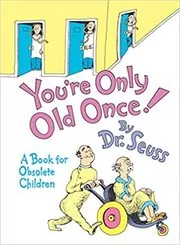
You're Only Old Once!
For adults who recognize the frustrations of medical appointments. The familiar rhyme turns institutional absurdity into a retirement or birthday joke, though its healthcare satire has much more to offer grown-ups than beginning readers.
What it's about
A Seuss-style satire set in a clinic for seniors, where one patient is shuffled through bizarre tests, gadgets, and waiting rooms. It’s funny and a little pointed, turning the medical system into a whimsical obstacle course.
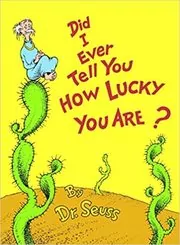
Did I Ever Tell You How Lucky You Are?
For readers who enjoy extravagant comic complaints. The parade of imagined misfortunes gives gratitude an unusually playful form, though its comparisons with other people's hardships may invite more questioning than a straightforward reassurance book.
What it's about
A narrator warns a boy about all the terrible fates he could have had, from bizarre jobs to unlucky births. Then it flips into gratitude, reminding readers that ordinary life can be a form of good fortune.
Sources
- 1
17 Of The Best Dr. Seuss Books - Selected Reads
selectedreads.com
- 2
Dr. Seuss Books | Common Sense Media
commonsensemedia.org
- 3
22 Best Dr. Seuss Books: the Essential Shelf for All Readers | Reedsy Discovery
reedsy.com
- 4
The Best Dr. Seuss Books for Readers of All Ages | Brightly
readbrightly.com
- 5
Ranking Author Dr. Seuss's Best Books (A Bibliography Countdown) - Book Scrolling
bookscrolling.com
- 6
Best Dr. Seuss Books (99 books)
goodreads.com
- 7
Anyone here grew up with Dr Seuss books : r/nostalgia
reddit.com
- 8
10 Best Dr. Seuss Books With Big Messages and Life Lessons
fatherly.com
- 9
Favorite books? : r/toddlers
reddit.com





Edited by
Software engineer whose passion for tracking book recommendations from podcasts inspired the creation of MRB.
Lead investor at 3one4 Capital whose startup expertise and love for books helped shape MRB and its growth.
Comments
Spotted a missing book, a wrong order or a mistake? Tell us and we'll fix this page.
We're a reading guide, not the author or publisher, so we can't send books or pass on messages.