
13 Best Alphabet Books
The best alphabet books, ranked by how many expert sources recommend each one, with notes on who they suit, from first letters to playful word games.
Our take
Alphabet books can introduce letter shapes, invite children to listen for sounds, or turn familiar ABC order into a joke. The best fit depends on what keeps a child looking and talking: rhythmic language, animal photographs, hidden pictures, or a story. These books offer different ways for adults and children to explore letters together rather than a single reading lesson.
For an energetic read-aloud, begin with Chicka Chicka Boom Boom or Dr. Seuss's ABC. Alphablock and TouchThinkLearn: ABC make the physical page part of the experience. Children who like naming things may enjoy Eating the Alphabet or Creature ABC. A B See and Animalia reward slower searching, while Apple Pie ABC gives the letters a clear story. Once alphabet order is familiar, Z Is for Moose makes breaking that order funny. Start with a child's interests and leave room to point, guess, and revisit favorite pages.
13 books · 6 sources · Last updated
As an Amazon Associate, we earn from qualifying purchases (at no extra cost to you).
How to choose from this list
Skip to the full rankingIf you want a rhythmic read-aloud: Chicka Chicka Boom Boom → Dr. Seuss's ABC
If you want hands-on letter exploration: Alphablock → TouchThinkLearn: ABC
If your child loves naming things: Eating the Alphabet → Creature ABC
If your child enjoys finding hidden pictures: A B See → Animalia
If you want a story to follow: Apple Pie ABC → The Little Red Cat Who Ran Away and Learned His ABC's
If familiar letters are ready for jokes: Alligators All Around → Z Is for Moose
The 13 books, ranked
Ranked by how many expert sources name each book. Ties go to the book more people recommend.
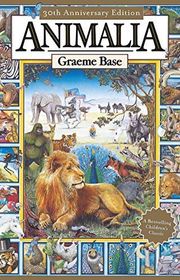
Animalia
For children ready to search intricate pictures and play with alliteration. Base offers more to discover on repeat visits than a basic labeling book, though the dense scenes and advanced vocabulary need time and conversation.
What it's about
Base creates an alphabet of elaborate animal scenes, each filled with objects and words beginning with the featured letter. Alliterative phrases and hidden visual details turn the pages into puzzles that reward careful looking and repeated visits.

Chicka Chicka Boom Boom
For children who enjoy rhythm and joining in with a repeated read-aloud. Martin and Archambault make the letters feel like a lively cast, though the fast chant benefits from pausing to notice individual letter shapes.
What it's about
The letters of the alphabet challenge one another to climb a coconut tree. As more and more join the race, the crowded tree sets the stage for trouble. Rhyming text and bold illustrations turn letter recognition into a playful adventure.
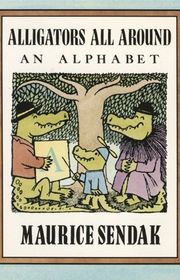
Alligators All Around
For children who like short, silly scenes and expressive characters. Sendak's alligator family gives the alphabet a compact comic personality, though its brief phrases offer less direct instruction than a book designed around explicit letter-sound practice.
What it's about
A family of alligators works through the alphabet in a series of comic actions and situations. Sendak's short alliterative phrases and expressive pictures connect each letter with a playful scene, making the small book suited to rereading together.
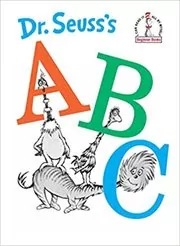
Dr. Seuss's ABC
For children who enjoy nonsense, sound play, and energetic reading aloud. Seuss gives repeated letter sounds a memorable rhythm, though invented creatures and names make it less straightforward than a book of familiar real-world examples.
What it's about
From A to Z, each letter becomes an excuse for a new creature, a new name, and a new tongue-twister. The alphabet turns into a lively parade that makes letter sounds feel like a game instead of homework.

LMNO Peas
For children who enjoy spotting small details and talking about different activities. Baker connects letters with a wide vocabulary of jobs and interests, though some words need explanation and the busy pictures can distract from the alphabet itself.
What it's about
Keith Baker's little peas explore the alphabet through jobs, hobbies, and interests, from acrobats to zoologists. Rhyming text and detailed illustrations show the characters at work and play, pairing each letter with a different activity.

A B See
For children who like searching pictures and finding objects together. The illustrated letter shapes encourage close looking, though the visual density makes this more demanding than a simple first alphabet with one clear image per page.
What it's about
Elizabeth Doyle turns each alphabet letter into a collection of hidden pictures. Young readers search the illustrated shapes for objects beginning with the matching letter, combining an introduction to the ABCs with a visual finding game.

Alphablock
For young children who learn through handling and exploring a book. The cutout pages draw attention to the physical shapes of letters, though its sturdy format emphasizes playful recognition more than an extended story or phonics sequence.
What it's about
Christopher Franceschelli introduces the alphabet through thick pages cut into letter shapes, with illustrations by Peski Studio. Peek-through clues invite children to guess associated words while exploring the angles, curves, and openings that distinguish each letter.

Apple Pie ABC
For children who want a funny story instead of an alphabet recital. The dog's clear goal gives the letters narrative momentum, though the brief text works best when an adult helps connect each stage with its letter.
What it's about
A determined little dog tries to get his paws on a freshly made apple pie in Alison Murray's alphabet adventure. The retelling of a traditional ABC verse follows his funny attempts, pairing each stage of the story with a letter.

Creature ABC
For animal-loving children who respond to photographs more than cartoons. The reveal format encourages guessing and noticing details, though animal names alone provide a narrower vocabulary than books built around many kinds of objects.
What it's about
Andrew Zuckerman pairs alphabet letters with detailed animal photographs in a visual guessing game. Each letter introduces a creature before a page turn reveals its name and another view, inviting children to discover both animals and letter forms.

Eating the Alphabet
For children interested in food and adults who want clear upper- and lowercase pairings. Its familiar theme invites naming and conversation, though the collection format provides less narrative momentum than a story-driven alphabet book.
What it's about
Lois Ehlert introduces upper- and lowercase letters through colorful illustrations of fruits and vegetables from around the world. Foods run from apple to zucchini, with a glossary providing pronunciation and background information about the plants.

The Little Red Cat Who Ran Away and Learned His ABC's
For children who enjoy telling a story from pictures. Its nearly wordless chase invites active guessing and conversation, though readers still learning letter sounds will need more adult support than with a clearly labeled alphabet.
What it's about
A little red cat runs into an alphabet adventure as an alligator, bear, and other creatures join a wild chase. Patrick McDonnell's nearly wordless pictures carry the group through changing landscapes toward a discovery about friendship.

For very young readers who like exploring raised shapes with their fingers. The tactile design adds something that flat picture books cannot, though the substantial board-book format is less convenient for carrying than a small paperback.
What it's about
Xavier Deneux introduces the alphabet through raised shapes, matching recesses, and bold illustrations. This sturdy board book invites young children to explore letters with their fingers as well as their eyes, combining tactile play with early learning.

Z Is for Moose
For children who already know enough alphabet order to enjoy seeing it disrupted. Bingham's comic timing and friendship story reward repeated reading, though the interruptions make it less direct as a child's first alphabet lesson.
What it's about
Zebra plans an orderly alphabet show, but his impatient friend Moose keeps interrupting. When Mouse takes the letter M, Moose's disappointment turns the performance upside down in Kelly Bingham's comic story about friendship, sharing, and compromise.
Sources
- 1
The 10 Best Alphabet Books for Young Readers
hookedonphonics.com
- 2
100 Best Alphabet Books of All Time
shortform.com
- 3
Favorite Alphabet Books
reddit.com
- 4
Alphabet Book Recommendations
reddit.com
- 5
Best Alphabet Books
librarymom.com
- 6
Our Favorite Alphabet Books: The Hunt for the Best ABC Books
everyday-reading.com





Edited by
Software engineer whose passion for tracking book recommendations from podcasts inspired the creation of MRB.
Lead investor at 3one4 Capital whose startup expertise and love for books helped shape MRB and its growth.
Comments
Spotted a missing book, a wrong order or a mistake? Tell us and we'll fix this page.
We're a reading guide, not the author or publisher, so we can't send books or pass on messages.