
5 Best Atheist Books
The best atheist books, ranked by how many expert sources recommend each one, with notes on who they suit, from curious newcomers to readers of philosophy.
Our take
Books about atheism differ in the questions they ask. Some challenge arguments for God, while others examine religion’s social effects or explore morality and meaning without belief. Readers questioning a religious upbringing may want a measured introduction before a forceful polemic. Those interested in intellectual history may prefer older essays, where the language and immediate controversies reflect a different setting.
Julian Baggini’s Atheism offers a concise philosophical starting point. The God Delusion takes a broader argumentative approach, drawing on science as well as questions about religion and morality. God Is Not Great is more confrontational and gives historical and cultural criticism a larger role. Why I Am Not a Christian provides shorter essays, while The Age of Reason belongs to an earlier challenge to scriptural authority. Paine defended a creator, so his book represents deism rather than atheism. Start with Baggini for an overview, then choose according to the questions and tone you want to explore.
5 books · 9 sources · Last updated
As an Amazon Associate, we earn from qualifying purchases (at no extra cost to you).
How to choose from this list
Skip to the full rankingIf you're new to atheist philosophy: Atheism → The God Delusion
If you want a forceful critique of religion: God Is Not Great
If you prefer essays focused on Christianity: Why I Am Not a Christian
If you want historical challenges to religious authority: The Age of Reason → Why I Am Not a Christian
The 5 books, ranked
Ranked by how many expert sources name each book. Ties go to the book more people recommend.
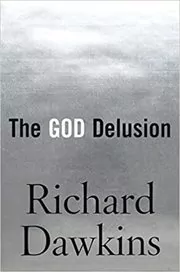
The God Delusion
For readers who want a broad, direct challenge to belief in a personal God. Dawkins connects arguments about design with science and morality, though the combative tone can make it less inviting for readers exploring doubts cautiously.
What it's about
Dawkins argues that a personal, supernatural God is extremely unlikely, dismantling classic arguments for God's existence and examining religion's social effects. He explores how morality, meaning and awe can flourish without faith, making a forceful case for outspoken atheism.
Also recommended by
2 people Joe Rogan recommended this book
Joe Rogan
"I read The God Delusion in preparation for [the Dawkins interview]. I'm a huge fan of [his] work." - Joe Rogan
Joe Rogan's recommendation of this book  Brian Armstrong recommended this book
Brian Armstrong
"Many people believe simply based on how they grew up, without ever questioning." - Brian Armstrong
Brian Armstrong's recommendation of this book

For readers who prefer a forceful cultural and historical critique of religion to a systematic philosophy course. Hitchens brings literary range and rhetorical energy, though his sweeping judgments and confrontational style leave less room for patient qualification.
What it's about
Christopher Hitchens argues against religious belief and organized religion, drawing on history, literature, and personal experience. His polemic challenges claims to sacred authority and makes a case for a secular outlook grounded in scientific inquiry and reason.
Also recommended by
1 person Sam Harris recommended this book
Sam Harris
"You can get the benefit of both his voice and his writing if you listen to [this audiobook]." - Sam Harris
Sam Harris's recommendation of this book

The Age of Reason
For readers interested in the historical challenge to scripture and organized religion. Paine makes independent judgment central, though his older language requires patience and his defense of a creator makes this a deist work rather than an atheist manifesto.
What it's about
Thomas Paine challenges organized religion and the authority of revealed scripture while defending belief in a creator through reason and nature. His religious treatise argues for independent examination of theological claims rather than acceptance of inherited dogma.
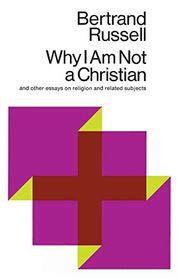
Why I Am Not a Christian
For readers who prefer essays that question religious arguments and connect belief with morality and freedom. Russell offers shorter pieces than the modern polemics, though the collection’s historical setting and emphasis on Christianity limit its scope.
What it's about
This collection gathers Russell’s essays and lectures on religion, ethics, and intellectual freedom, including the title essay. He examines arguments for God, Christian teachings, and the social power of religious institutions while defending independent thought.
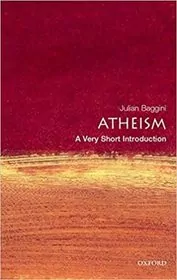
For newcomers who want a concise philosophical overview with room for ethics and meaning. Baggini offers a calmer starting point than the polemics here, though the short format cannot examine every argument or tradition in depth.
What it's about
Julian Baggini presents an intellectual case for atheism and explores how life without religious belief can have meaning and morality. He addresses common misconceptions, ethical questions, and the history of atheism, including the failures of officially atheist states.
Sources
- 1
The Best Books on Atheism
fivebooks.com
- 2
30 Books Every Atheist Should Read
sheseeksnonfiction.blog
- 3
20 Must-Read Books for Atheists and Rationalists
rationalthoughts.org
- 4
Reading Ideas
aacsecularhumanists.com
- 5
Library Books
humanist.org.sg
- 6
Atheism Books
goodreads.com
- 7
Can you recommend me some atheist reading?
reddit.com
- 8
Looking for atheist reading recommendations
reddit.com
- 9
The Best Books on Atheism
fivebooks.com







Edited by
Software engineer whose passion for tracking book recommendations from podcasts inspired the creation of MRB.
Lead investor at 3one4 Capital whose startup expertise and love for books helped shape MRB and its growth.
Comments
Spotted a missing book, a wrong order or a mistake? Tell us and we'll fix this page.
We're a reading guide, not the author or publisher, so we can't send books or pass on messages.