
Zora Neale Hurston Books in Order
Browse Zora Neale Hurston books in order, with quick summaries, key background, and simple advice on where to start with her fiction and nonfiction.
Last updated:
As an Amazon Associate, we earn from qualifying purchases (at no extra cost to you).
Zora Neale Hurston books in publication order
49 books

Drenched in Light
by Zora Neale Hurston
1924
A spirited girl named Isis keeps colliding with the limits set by her stern grandmother. In a few vivid pages, Hurston captures childhood joy, performance, and the hunger to be seen.
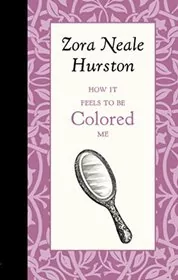
How It Feels to Be Colored Me
by Zora Neale Hurston
1928
In this famous essay, Hurston writes about race, selfhood, and growing up in Eatonville with wit and defiance. It is brief, personal, and still startlingly direct about how she sees herself.
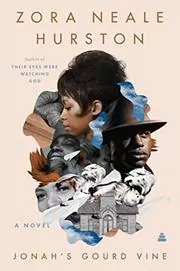
Jonah's Gourd Vine
by Zora Neale Hurston
1934
Hurston's first novel follows preacher John Pearson from Alabama to Eatonville, Florida. His gifts make him magnetic, but his pride and infidelity tear at his marriage, family, and place in the community.
Mules and Men
by Zora Neale Hurston
1935
Hurston returns to Florida and New Orleans to collect folktales, songs, sermons, and hoodoo lore. The result is not just a record of stories, but a vivid portrait of the people telling them.
Their Eyes Were Watching God
by Zora Neale Hurston
1937
Janie Crawford looks back on three marriages and the long road to her own voice. Set in Florida, it is a love story, a coming-of-age story, and a hard-won search for freedom.
Recommended by
2 people Jennifer Lopez recommended this book
Jennifer Lopez
Jennifer Lopez recommended this book on Twitter.
Jennifer Lopez's recommendation of this book  Shonda Rhimes recommended this book
Shonda Rhimes
"Gotta be read." - Shonda Rhimes
Shonda Rhimes's recommendation of this book
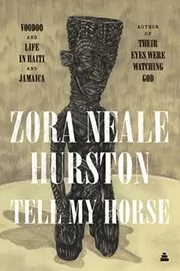
Tell My Horse
by Zora Neale Hurston
1938
Part travel writing and part ethnography, this book draws on Hurston's time in Jamaica and Haiti. She explores local politics, folklore, and religious practice through the eyes of a curious, deeply involved observer.
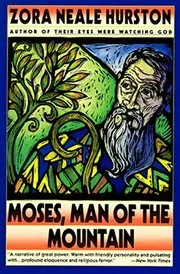
Moses, Man of the Mountain
by Zora Neale Hurston
1939
Hurston retells the Exodus story by mixing biblical narrative with Black folklore and vernacular speech. Moses becomes not just a prophet, but a wary, human leader facing power, freedom, and faith.
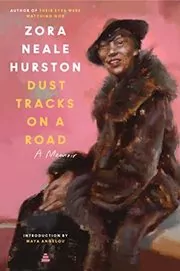
Dust Tracks on a Road
by Zora Neale Hurston
1942
Hurston's autobiography traces her path from Eatonville childhood to literary fame and anthropological fieldwork. It is lively, funny, and self-aware, with the same love of voice and story that marks her fiction.
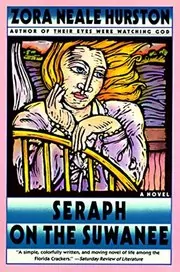
Seraph on the Suwanee
by Zora Neale Hurston
1948
Arvay Henson marries the forceful, ambitious Jim Meserve and spends years trying to understand her place beside him. Set among poor white Floridians, the novel tracks a marriage full of love, silence, and strain.
Hurston Reader
by Zora Neale Hurston
1979
This anthology samples Hurston's fiction, folklore, memoir, and essays in a single volume. It works well as a first stop if you want her range without choosing just one side of her work.
I Love Myself When I Am Laughing... And Then Again
by Zora Neale Hurston
1979
A wide-ranging reader that brings together fiction, essays, folklore, and autobiography. It is one of the easiest ways to meet Hurston across genres and hear the full force of her voice.
The Sanctified Church
by Zora Neale Hurston
1981
Hurston writes about Southern Black religious life as lived experience, not abstraction. These essays move through worship, music, folklore, conjure, and community, showing how church life holds faith and performance together.
Spunk!
by Zora Neale Hurston
1985
This story collection gathers some of Hurston's best short fiction from Eatonville to Harlem. Lovers, tricksters, workers, and strivers move through sharp, funny, sometimes dangerous slices of everyday life.

The Gilded Six-Bits
by Zora Neale Hurston
1986
Joe and Missie May seem happily secure until a flashy outsider unsettles their marriage. Hurston turns a small domestic betrayal into a rich story about pride, money, and what proves genuine.
Florida Stories
by John Miller, Larry McMurtry, Dave Barry, Elmore Leonard, Ernest Hemingway, John D MacDonald, Damon Runyon, Isaac Bashevis Singer, Nathaniel Hawthorne, Stephen Crane, Zora Neale Hurston, Elizabeth Bishop, Tennessee Williams, Alison Lurie, Wallace Stevens, John Sayles, John James Audubon, Joy Williams, Joan Didion, Kirsten Miller & William Bartram
1993
Edited by John and Kirsten Miller, this literary collection brings together fiction and nonfiction set in Florida. Selections by writers including Joan Didion, Zora Neale Hurston, and Dave Barry offer varied perspectives on the state’s history, landscape, and cultural contradictions.

Bottle Up and Go
by Zora Neale Hurston
1995
This illustrated anthology samples Hurston's fiction, journalism, folklore, and autobiography in one place. It offers a brisk, inviting sense of her range, from comic storytelling to sharp cultural observation.
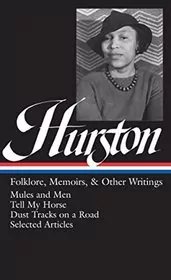
Folklore, Memoirs, and Other Writings
by Zora Neale Hurston
1995
A substantial one-volume gathering of Hurston's major nonfiction, including folklore, memoir, and reportage. It is a strong place to see how her research, travel writing, and personal voice all fit together.
Novels and Stories
by Zora Neale Hurston
1995
This large volume brings together Hurston's novels and key short fiction in one place. It is ideal for readers who want the sweep of her storytelling, from early work to her last novel.
The Complete Stories
by Zora Neale Hurston
1995
A major collection of Hurston's short fiction from the 1920s through the 1950s. It lets you watch her themes grow, from Southern childhood and migration to desire, class, religion, and wit.
Zora Neale Hurston: Stories
by Zora Neale Hurston
1995
A story collection that showcases Hurston's gift for dialogue, humor, and close observation. Her characters speak, quarrel, flirt, and dream in ways that make the page feel crowded with life.

Complete Essays
by Zora Neale Hurston
1997
A broad gathering of Hurston's essays on race, culture, politics, folklore, and everyday life. The pieces show her quick wit, argumentative streak, and refusal to sound like anyone but herself.

Sweat
by Zora Neale Hurston
1997
Delia Jones works herself to exhaustion while her abusive husband, Sykes, grows crueler by the day. The story builds relentless tension as fear, rage, and a deadly snake close in around their marriage.

Collected Essays
by Zora Neale Hurston
1998
This collection brings together Hurston's criticism, reportage, and personal writing. It is a good way to see how she moved between folklore, public debate, and close observation of American life.
Zora Neale Hurston: Plays
by Zora Neale Hurston
1998
This volume gathers Hurston's dramatic work, where folklore, music, vernacular speech, and comic timing all come forward. It is a strong reminder that she was thinking about performance as much as prose.
Go Gator and Muddy the Water
by Zora Neale Hurston
1999
These writings from Hurston's time with the Federal Writers' Project recover her eye for Florida people, speech, and local history. The pieces mix reporting, folklore, and cultural memory with real energy.
Every Tongue Got to Confess
by Zora Neale Hurston
2001
Collected in the late 1920s and published later, these Gulf States folktales preserve jokes, boasts, cautionary tales, and everyday wisdom. Hurston lets the voices carry the wit, rhythm, and bite.
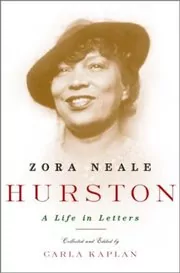
Zora Neale Hurston
by Zora Neale Hurston
2002
This volume gathers Hurston's letters across decades of work, travel, friendship, and struggle. The correspondence shows her ambition, humor, impatience, and the very human labor behind the public writer.
In Search of Our Sister's Garden
by Zora Neale Hurston
2003
This anthology brings together writing by Black women, including Hurston, around shared questions of work, family, freedom, and survival. It offers context for reading her alongside other powerful voices.
The Skull Talks Back
by Zora Neale Hurston
2004
This spooky set of folktales brings together talking skulls, creepy feet, and shape-shifting dangers. Adapted for younger readers, it keeps the eerie fun and storytelling snap of Hurston's folklore.
What's the Hurry, Fox?
by Zora Neale Hurston
2004
These lively animal stories explain how things came to be, from long ears to whitecaps on waves. Adapted for younger readers, they keep the humor and motion of the folktales Hurston collected.
Lies and Other Tall Tales
by Zora Neale Hurston
2005
A chain of outrageous boasts and impossible stories turns exaggeration into an art form. Drawn from folktales Hurston collected, the book celebrates comic timing, verbal play, and the joy of one-upmanship.
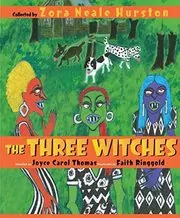
The Three Witches
by Zora Neale Hurston
2006
This dark folktale follows a brother and sister left alone when three hungry witches come after them. Quick thinking, a grandmother, and a few loyal animals turn the chase into a tense, satisfying escape.

Zora Neale Hurston: Collected Plays
by Zora Neale Hurston
2008
A major collection of Hurston's plays, sketches, and musical pieces that restores her theatrical work to view. It is essential for seeing how fully performance shaped her art and her ideas about folk culture.

Three Plays: Lawing and Jawing; Forty Yards; Woofing
by Zora Neale Hurston
2009
These three plays move from a comic courtroom to a football setting and a world of flirtation and talk. Together they show Hurston's ear for performance, crowd energy, and social comedy.

De Turkey an de Law
by Zora Neale Hurston
2015
A small dispute over a turkey swells into a lively folk comedy about pride, justice, and public spectacle. Hurston uses the quarrel to show how a whole community performs itself.

Spunk: A Play
by Zora Neale Hurston
2016
Hurston reshapes her prizewinning story for the stage, following Spunk Banks, Lena, and Joe Kanty through swagger, gossip, desire, and danger. The result is compact, dramatic, and full of oral energy.
Barracoon
by Zora Neale Hurston
2018
Based on Hurston's interviews with Cudjo Lewis, this book preserves a firsthand account of capture in Africa, the Middle Passage, slavery, and life after emancipation. It is intimate, painful, and historically invaluable.
Bookmarks in the Pages of Life
by Zora Neale Hurston
2020
A beautifully produced selection of six Hurston stories paired with artwork. The volume highlights her mix of folklore, wit, and everyday drama in a form that feels both literary and visual.
Hitting a Straight Lick with a Crooked Stick
by Zora Neale Hurston
2020
This collection gathers 21 early stories, including several recovered from old periodicals. It shows Hurston testing ideas about migration, love, work, class, and Southern Black life long before her best-known novel.
I Love Myself When I Am Laughing... And Then Again When I Am Looking Mean and Impressive
by Zora Neale Hurston
2020
This reader pulls together stories, essays, folklore, and autobiographical writing that helped bring Hurston back to many readers. It is broad, lively, and especially good for hearing her many different registers.
Collected Early Works
by Zora Neale Hurston
2022
A compact gathering of early fiction and drama, including *Drenched in Light*, *Spunk*, *Color Struck*, and *Sweat*. It shows Hurston's voice arriving fast, bold, and already fully alive.

Color Struck
by Zora Neale Hurston
2022
Set around a cakewalk trip from Jacksonville to St. Augustine, this play follows Emmaline's jealousy and hurt as colorism shapes her love life. It is tense, sad, and remarkably direct.

Three Plays: Meet the Mamma, Color Struck and Spunk
by Zora Neale Hurston
2022
This trio of plays shows Hurston working in very different moods, from family and romantic comedy to the pain of colorism. Together they highlight her range as a playwright and folkloric performer.
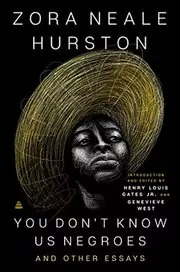
You Don't Know Us Negroes and Other Essays
by Zora Neale Hurston
2022
Spanning more than three decades, this collection brings together Hurston's essays, articles, and criticism in one place. It shows how she argued about race, art, politics, and Black life with unusual independence.

Cudjo's Own Story of the Last African Slaver
by Zora Neale Hurston
2023
Hurston records Cudjo Lewis in a shorter early account of the story later expanded in *Barracoon*. His memories of capture, enslavement, and survival give the piece its force and sorrow.

The Last Slave Ship
by Zora Neale Hurston
2023
This brief work centers on the Clotilda story and the people forced aboard it. It preserves Hurston's urgency about recording the last illegal slave ship to reach the United States and its human cost.

The Making of Butterflies
by Zora Neale Hurston
2023
This gentle folktale imagines how butterflies came into the world after creation seemed finished. Retold for young children, it brings Hurston's sense of wonder, rhythm, and play to a very simple shape.

The Mule-Bone
by Zora Neale Hurston
2023
A fight over a mule bone sets off a comic storm of church rivalry, courtroom posturing, and romantic competition. The play turns small-town gossip into a lively portrait of community performance.
The Life of Herod the Great
by Zora Neale Hurston
2025
This posthumously published historical novel reimagines Herod as a complicated ruler rather than a flat biblical villain. Hurston turns ancient Judea into a world of power, belief, loyalty, and political danger.
Where to start with Zora Neale Hurston
If you want the essential novel: Their Eyes Were Watching God
If you want her fiction in order: Jonah's Gourd Vine → Their Eyes Were Watching God → Moses, Man of the Mountain
If you want folklore and fieldwork: Mules and Men → Tell My Horse
If you want memoir and history: Dust Tracks on a Road → Barracoon
Zora Neale Hurston collections, short stories, and related book types
Short Stories/Novellas
Short Story Collections


I Love Myself When I Am Laughing... And Then Again When I Am Looking Mean and Impressive
by Zora Neale Hurston
2020

Plays
Picture Books
Non-Fiction
Standalone Zora Neale Hurston books
by John Miller, Larry McMurtry, Dave Barry, Elmore Leonard, Ernest Hemingway, John D MacDonald, Damon Runyon, Isaac Bashevis Singer, Nathaniel Hawthorne, Stephen Crane, Zora Neale Hurston, Elizabeth Bishop, Tennessee Williams, Alison Lurie, Wallace Stevens, John Sayles, John James Audubon, Joy Williams, Joan Didion, Kirsten Miller & William Bartram
1993

Author bio
Zora Neale Hurston was born on January 7, 1891, in Notasulga, Alabama, but the place that shaped her was Eatonville, Florida. Her family moved there when she was very young, and she grew up in one of the first incorporated Black towns in the United States, watching Black teachers, shopkeepers, preachers, and elected officials run daily life.
That mattered.
In Eatonville, Hurston heard porch talk, sermons, jokes, songs, and tall tales that would stay with her forever. Her father, John Hurston, was a Baptist preacher and served as mayor, and her mother, Lucy Potts Hurston, had been a schoolteacher. After her mother's death, Hurston's life turned harder. She left home young, worked a string of jobs, and kept finding ways back to school.
She finished her schooling in Baltimore, then went to Howard University in Washington, D.C., where she earned an associate degree in 1920. At Howard she helped found The Hilltop, the student newspaper, and began publishing fiction. In 1925 she arrived in New York with very little money and entered Barnard College, where she studied anthropology with Franz Boas. That training gave her a method for doing something she already loved, listening closely.
She was a writer who treated everyday speech as art.
Her fiction and fieldwork kept feeding each other. In Mules and Men, she gathered folktales, songs, sermons, and hoodoo traditions from Florida and New Orleans. In Tell My Horse, she wrote about her travels in Jamaica and Haiti and the religious life she encountered there. She did not treat folklore as something dusty or leftover. She treated it as living knowledge, carried in voices, gestures, memory, and performance.
Her novels show the same range. Jonah's Gourd Vine draws on family history to tell the story of a gifted preacher whose charm cannot save his marriage. Their Eyes Were Watching God follows Janie Crawford as she moves through love, disappointment, and self-discovery in Florida. Moses, Man of the Mountain retells the Exodus story through Black folklore and vernacular speech. Readers often love Hurston for how alive people feel on the page, funny, stubborn, wounded, hopeful, and never flattened into symbols.
Place is central in her work. Eatonville, small-town Florida, turpentine camps, front porches, churches, kitchens, and juke-joint talk all matter, because Hurston cared about how people actually sounded and how they made meaning together. She wrote resourceful women, charming strivers, gossiping neighbors, tricksters, preachers, workers, and dreamers with the same alert eye. Even when her subjects were serious, she made room for humor.
Her career was never simple. She worked for the Federal Writers' Project in Florida, kept publishing across genres, and wrote her autobiography, Dust Tracks on a Road, in 1942. Some of her strongest work, including the manuscript that became Barracoon, did not reach readers in full until long after it was written. By the time she died, much of her work was hard to find.
Hurston died in Fort Pierce, Florida, on January 28, 1960.
But her books did not stay buried. Later generations brought them back into wide view, and now readers keep finding the same things in her work: intelligence without stiffness, scholarship with jokes in it, and a deep belief that ordinary people are worth listening to on their own terms.




Edited by
Software engineer whose passion for tracking book recommendations from podcasts inspired the creation of MRB.
Lead investor at 3one4 Capital whose startup expertise and love for books helped shape MRB and its growth.
Comments
Did we miss something? Have feedback?
Help us improve this page by sharing your thoughts