
Yotam Ottolenghi Books in Order
This page lists Yotam Ottolenghi’s books in order, with short summaries, beginner-friendly starting points, and notes on which cookbook to open first.
Last updated:
As an Amazon Associate, we earn from qualifying purchases (at no extra cost to you).
Yotam Ottolenghi books in publication order
10 books
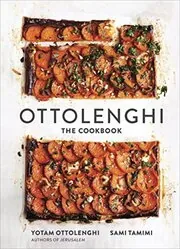
Ottolenghi
by Yotam Ottolenghi
2008
His debut cookbook, written with Sami Tamimi, brings the Ottolenghi delis to the page with 140 Mediterranean-inspired recipes. Salads, vegetable dishes, meats, breads, and cakes all have the bright, punchy flavor combinations that became his signature.
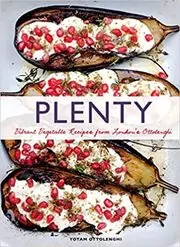
Plenty
by Yotam Ottolenghi
2010
The book that made many home cooks see vegetables differently, Plenty collects more than 120 vegetarian recipes built on contrast, color, and strong flavors. It is not about substitutes for meat, but about vegetables as the main event.
Recommended by
1 person Sam Kass recommended this book
Sam Kass
"Probably [the author's] most-famous book." - Sam Kass
Sam Kass's recommendation of this book
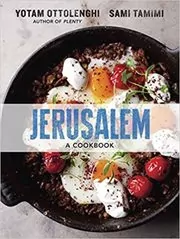
Jerusalem
by Yotam Ottolenghi
2012
Written with Sami Tamimi, this cookbook explores the food of their shared hometown through 120 recipes from Muslim, Jewish, and Christian traditions. It is part cookbook, part portrait of place, with bold dishes and plenty of context around them.
Recommended by
1 person- Sam Kass recommended this book
Sam Kass
"Just spectacular, and the recipes are simple but so delicious." - Sam Kass
Sam Kass's recommendation of this book
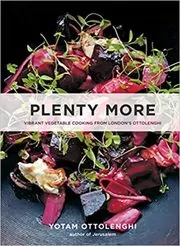
Plenty More
by Yotam Ottolenghi
2014
A follow-up to Plenty, this book offers more than 150 vegetable-led recipes, grouped by cooking method. It is for cooks who want bold flavors, smart technique, and enough range to build whole meals around vegetables.
Recommended by
1 person- Sam Kass recommended this book
Sam Kass
"Just spectacular, and the recipes are simple but so delicious." - Sam Kass
Sam Kass's recommendation of this book
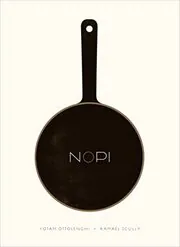
NOPI
by Yotam Ottolenghi
2015
Drawn from the London restaurant NOPI, this book leans restaurant-style and adventurous, with 120 recipes full of unexpected pairings and big flavors. It suits cooks who enjoy more involved dishes and want a look inside Ottolenghi’s more polished side.
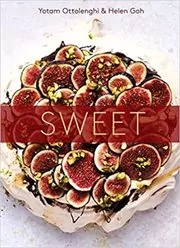
Sweet
by Yotam Ottolenghi
2017
Ottolenghi and Helen Goh turn to cakes, cookies, tarts, and desserts, mixing bakery classics with their trademark use of spice, fruit, nuts, and floral notes. It is generous, detailed, and especially good for confident home bakers.
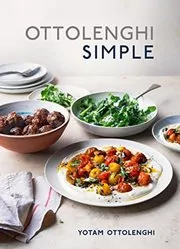
Ottolenghi Simple
by Yotam Ottolenghi
2018
A more streamlined Ottolenghi, with 130 recipes designed to be easier in at least one way: quicker, shorter, one-pot, pantry-based, or make-ahead. It is a great entry point if you want his flavors without a big weekend project.
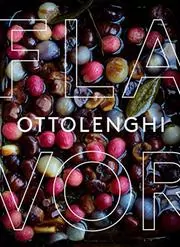
Ottolenghi Flavor
by Yotam Ottolenghi
2020
Written with Ixta Belfrage, this book looks at how flavor works, through process, pairing, and produce. The recipes are plant-led, bold, and clever, with plenty of sauces, condiments, and techniques that make vegetables feel exciting.
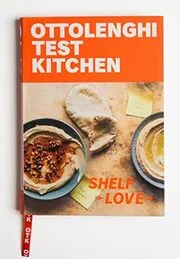
Ottolenghi Test Kitchen
by Yotam Ottolenghi
2021
This first Ottolenghi Test Kitchen book focuses on pantry, fridge, and freezer cooking, with flexible recipes and easy swaps. It is built for real weeknights, helping home cooks turn odds and ends into satisfying, flavor-packed meals.

Ottolenghi Simple Too
by Yotam Ottolenghi
2026
A follow-up to Ottolenghi Simple, this forthcoming book promises 135 new recipes for everyday cooking. The focus stays on bold flavor with less fuss, including dishes that are quick, one-pot, or easy to prep ahead.
Where to start with Yotam Ottolenghi
If you’re brand new: Plenty → Jerusalem → Ottolenghi Simple
If you want easy weeknight meals: Ottolenghi Simple → Ottolenghi Test Kitchen → Ottolenghi Simple Too
If you love vegetables first: Plenty → Plenty More → Ottolenghi Flavor
If dessert is the draw: Sweet
If you want restaurant-style projects: Ottolenghi → NOPI
Yotam Ottolenghi collections, short stories, and related book types
Sami Tamimi Cookbooks
Cookbooks
Standalone Yotam Ottolenghi books
Author bio
Yotam Ottolenghi was born in Jerusalem in 1968 and grew up in the Ramat Denya neighborhood. Home was serious about ideas and serious about food, and summers in Italy added another layer to the way he thought about eating. Those early tastes, citrus, herbs, roast vegetables, pastries, still show up all through his cooking.
Writing came first, not chef whites. He studied comparative literature at Tel Aviv University, worked nights on the news desk at Haaretz, and spent time in Amsterdam finishing a master’s thesis on the philosophy of the photographic image. Then he sent the thesis home, decided academia could wait, and moved to London to study pastry at Le Cordon Bleu.
That turn changed everything.
In London he worked as a pastry chef and met Sami Tamimi, another Jerusalem-born cook whose background and memories were different from his own but whose feel for food clicked immediately with his. In 2002 they opened the first Ottolenghi shop in Notting Hill, a deli, bakery, and restaurant that helped make bright salads, roasted vegetables, tahini, pomegranate molasses, and pantry ingredients like za’atar feel exciting to a much wider audience.
He still writes like a former editor.
That matters on the page. Long before many cooks knew his restaurants, they knew his newspaper recipes, first through his vegetable-focused work in The Guardian and later through columns for The New York Times. The voice is part of the appeal: clear, curious, and interested in helping home cooks get from idea to dinner.
His books followed, and they did not all do the same job. Ottolenghi brought the look and flavor of the deli to the page. Plenty made vegetables the center of the table, not the side dish, and Plenty More pushed that idea further. Jerusalem, written with Tamimi, is more personal, using recipes from their shared hometown to tell a story about memory, place, and the food of Muslim, Jewish, and Christian communities.
He can also be very practical.
Ottolenghi Simple is built for busy cooks, with recipes that are quicker, shorter, or easier to prep ahead, while Sweet, written with Helen Goh, returns to his pastry roots with cakes, cookies, and desserts. Ottolenghi Flavor and the Ottolenghi Test Kitchen books keep the same big taste but explain more of the how, using pantry tricks, smart pairings, and flexible swaps that help home cooks make the food their own.
What readers tend to like most is easy to spot. His food is bold without feeling stiff or showy. Vegetables get pride of place. Sour, sweet, heat, herbs, and crunch often share the same plate. Even when a recipe asks for an ingredient you do not keep around every day, the promise is that it will earn its place, and that dinner will taste brighter, deeper, and a little more alive.
Today he lives in London with his husband, Karl Allen, and their children. Much of his work still runs through the Ottolenghi Test Kitchen, where he writes, tests, tastes, and tweaks, while also keeping a hand in the restaurants. He has said that family life and Pilates are two of the few things that reliably pull his mind away from food, which feels exactly right for someone who has built such a big, generous world around it.










Edited by
Software engineer whose passion for tracking book recommendations from podcasts inspired the creation of MRB.
Lead investor at 3one4 Capital whose startup expertise and love for books helped shape MRB and its growth.
Comments
Did we miss something? Have feedback?
Help us improve this page by sharing your thoughts