
Magic Goes Away Books in Order
Part ofSteven Barnes Books in OrderExplore the Magic Goes Away books featuring Steven Barnes, in order, with summaries, world background, and tips on where to begin.
Last updated:
As an Amazon Associate, we earn from qualifying purchases (at no extra cost to you).
Magic Goes Away books in publication order
5 books
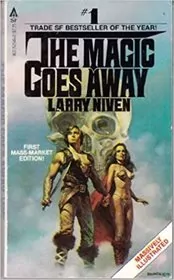
The Magic Goes Away
by Steven Barnes
1978
In a world where sorcery runs on a dwindling natural resource, the magician Warlock learns that every spell is helping drain the future. It is a clever, dangerous fantasy built around scarcity instead of abundance.
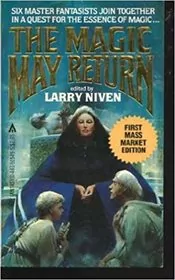
The Magic May Return
by Steven Barnes
1981
The fading of magic may not be final after all, but discovering a new source of mana opens the door to fresh danger. This sequel turns survival into a risky search for renewal.
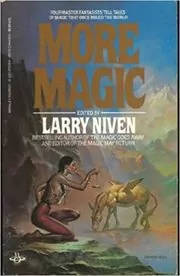
More Magic
by Steven Barnes
1984
This collection adds more tales from the Magic Goes Away world, where spells are powerful, costly, and never fully safe. It is fantasy with a built-in sense of decline and danger.

The Time of the Warlock
by Steven Barnes
1984
These linked adventures return to a world where mana is running out and every use of magic matters. Sorcerers, rulers, and schemers all fight over what wonder remains.
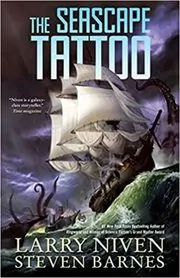
The Seascape Tattoo
by Steven Barnes
2016
Mortal enemies Aros of Azteca and the sorcerer Neoloth are forced into an uneasy alliance when a kidnapped princess must be rescued. Their only chance lies in deception, necromancers, and a mission neither can survive alone.
Magic Goes Away books in chronological order
Series background & context
The Magic Goes Away books are built around one great fantasy idea: magic is real, but it is not limitless. It runs on mana, a natural resource that can be used up. That means every spell, every enchanted object, and every magical shortcut comes with a hidden cost. Instead of a world where sorcery solves problems forever, this is a world where power is being spent down.
That changes everything.
The early stories center on Warlock, a capable magician trying to survive in an age when old certainties are failing. He knows more than most people about how magic works, which also means he understands the danger sooner than most. Kings, monsters, apprentices, lovers, and rivals may still think in legendary terms, but the ground underneath legend is shifting. The wonder is still there, just with more desperation in it.
Because mana is finite, the books often feel part quest fantasy and part resource crisis story. Characters are not just fighting enemies. They are fighting decline. Old spells stop working. Ancient protections wear thin. Plans that would have seemed obvious in a richer age start to look reckless. That gives the series an edge that sets it apart from more comfortable fantasy worlds.
Later entries widen the scope. New regions, new conflicts, and new personalities come in, including enemies who may need to become allies when the stakes get large enough. The Seascape Tattoo shows how flexible the setting can be, turning bitter rivals into reluctant partners for a rescue mission inside a much darker magical society. By that point, the series knows how to mix banter, swordplay, and looming collapse in the same breath.
Fantasy, but with a built-in hangover.
If you like stories where magic feels powerful and fragile at the same time, this series delivers that well. The adventures are lively, but the deeper appeal is the constant pressure of scarcity. Everyone wants wonder. The harder question is who still gets to use it when the world is running out.






Edited by
Software engineer whose passion for tracking book recommendations from podcasts inspired the creation of MRB.
Lead investor at 3one4 Capital whose startup expertise and love for books helped shape MRB and its growth.
Comments
Did we miss something? Have feedback?
Help us improve this page by sharing your thoughts