
Women Of Troy Books in Order
Part ofPat Barker Books in OrderSee the Women of Troy series by Pat Barker in order, with short plot summaries, myth background, and tips on how to follow her vivid retellings of the Trojan War.
Last updated:
As an Amazon Associate, we earn from qualifying purchases (at no extra cost to you).
Women Of Troy books in publication order
3 books
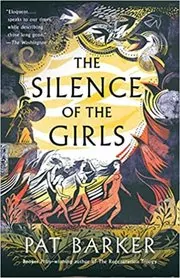
The Silence of the Girls
by Pat Barker
2018
Queen turned captive Briseis is seized when Achilles sacks her city and becomes his slave in the Greek camp outside Troy. Speaking from the crowded women's quarters, she recounts the famous war as a story of survival, rape, and fragile alliances among the conquered.

The Women of Troy
by Pat Barker
2021
After Troy has fallen, pregnant Briseis and the other captured women wait in a Greek camp for the winds to change so the army can sail home. An unburied king, an unstable young warrior, and growing female alliances all test how far survival will bend their loyalties.

The Voyage Home
by Pat Barker
2024
After the fall of Troy, prophetess Cassandra and her enslaved attendant Ritsa sail with Agamemnon back to Mycenae, where his wife Clytemnestra waits. Trapped between visions of future bloodshed and the need to survive day by day, the women navigate a ship and a palace steeped in old violence.
Women Of Troy books in chronological order
Series background & context
The Women of Troy books form a loose trilogy that reimagines the Trojan War and its aftermath from the perspective of women who are usually pushed to the edges of the myth. Instead of following the glory of heroes on the battlefield, the series stays close to enslaved queens, priests, and servants trying to survive the wreckage that famous victories leave behind.
The story begins in The Silence of the Girls, which retells the events of the Iliad through the eyes of Briseis. Once a minor queen in a small city near Troy, she is captured when Achilles sacks her home and is handed over as his war prize. Barker shows the Greek encampment as a place of boredom, filth, and constant sexual threat, where captured women cook, carry water, and endure repeated assaults while the men argue over honour. Through Briseis's sharp, wary voice, familiar scenes from epic poetry are stripped of romance and seen as everyday brutalities.
The Women of Troy picks up after the fall of the city itself. Troy has burned, its male defenders are dead, and the surviving women are gathered on the shoreline, divided up among the Greek victors. A fierce wind keeps the fleet trapped on the beach, and many soldiers believe the gods have been offended. At the centre of the tension lies the unburied body of King Priam, hacked down by Achilles's son Pyrrhus and left to rot on the sand. Briseis, now pregnant with Achilles's child and married to his lieutenant Alcimus, moves carefully through the camp, forging alliances with figures such as Hecuba and Cassandra while trying to shield herself and the other Trojan women from the whims of their captors.
In The Voyage Home, the focus shifts to the journey back to Mycenae. The novel follows the prophetess Cassandra and her enslaved attendant Ritsa aboard Agamemnon's ship and then into his uneasy household. Cassandra knows that a reckoning waits for the king who sacrificed his own daughter, and Clytemnestra, Agamemnon's wife, is preparing in private for his return. The book narrows in on a few charged days in which visions, rumours, and old griefs collide, making the palace feel as claustrophobic as the Greek camp once did.
Across the trilogy Barker keeps the gods mostly offstage and concentrates on the human cost of war. The books deal frankly with enslavement, sexual violence, pregnancy, and ageing, but they also make room for friendships, gallows humour, and stubborn acts of care. Famous warriors such as Achilles and Agamemnon appear, yet they are filtered through the eyes of women who have to live with the consequences of their decisions.
Read as a whole, the series shows how stories from ancient myth can be told in a modern, unvarnished voice. Each volume can be read on its own, but following the books in order lets you watch characters such as Briseis, Cassandra, and Clytemnestra change over time as they fight, in whatever ways they can, to reclaim some measure of agency.















Edited by
Software engineer whose passion for tracking book recommendations from podcasts inspired the creation of MRB.
Lead investor at 3one4 Capital whose startup expertise and love for books helped shape MRB and its growth.
Comments
Did we miss something? Have feedback?
Help us improve this page by sharing your thoughts