
Women in History Books in Order
Part ofAntonia Fraser Books in OrderThis page guides you through the Women in History books by Antonia Fraser, with order, short summaries, background, reading notes, and where to start.
Last updated:
As an Amazon Associate, we earn from qualifying purchases (at no extra cost to you).
Women in History books in publication order
4 books
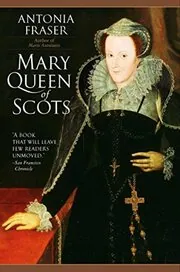
Mary Queen of Scots
by Antonia Fraser
1969
Fraser’s breakthrough biography follows Mary from French childhood and Scottish rule to disastrous marriages, English imprisonment, plots, and execution. It weighs the woman against the legend.
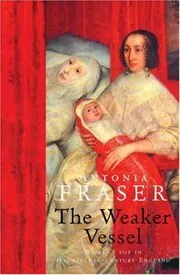
The Weaker Vessel
by Antonia Fraser
1984
Fraser explores women’s lives in seventeenth-century England through diaries, letters, court records, and public events. Queens, wives, widows, servants, writers, and radicals all get a place in the story.
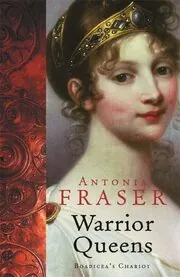
The Warrior Queens
by Antonia Fraser
1988
Fraser surveys women who ruled, fought, or became symbols of martial power, from Boudica and Cleopatra to later political leaders. The book asks how history turns such women into myths.
The Six Wives of Henry VIII
by Antonia Fraser
1995
Fraser restores Henry VIII’s six wives as full political and personal figures, not just a famous rhyme. The book follows marriage, faith, succession, ambition, and survival at the Tudor court.
Women in History books in chronological order
Series background & context
The Women in History grouping is not a series in the novel sense. There is no single plot, no recurring cast, and no cliffhanger waiting at the end. Instead, it brings together the Antonia Fraser books that return again and again to women whose lives were shaped by power, reputation, law, marriage, religion, and public judgment.
That is a strong thread in Fraser’s work.
Start with Mary Queen of Scots, and you can see the pattern clearly. Fraser is interested in a woman everyone thinks they know, then asks what the evidence actually shows. Mary is queen, widow, mother, Catholic claimant, prisoner, and political problem. The book follows the person behind all those labels.
The same impulse runs through The Weaker Vessel, which widens the lens from one famous woman to many women in seventeenth-century England. Queens and aristocrats are there, but so are wives, widows, writers, religious women, servants, and women caught in law courts or civil war. Fraser is looking at daily limits as much as public drama.
In The Warrior Queens, she shifts to women who ruled, fought, or became symbols of national resistance, from Boudica and Cleopatra to later political leaders. The Six Wives of Henry VIII brings the focus back to Tudor marriage politics, showing Catherine of Aragon, Anne Boleyn, Jane Seymour, Anne of Cleves, Katherine Howard, and Catherine Parr as more than a memorized rhyme about divorce and death.
The later books keep asking how female reputation gets made. Marie Antoinette follows an Austrian archduchess turned French queen through fashion, motherhood, slander, revolution, imprisonment, and execution. Love and Louis XIV studies the women around the Sun King, including queens, mistresses, relatives, and the secret wife who helped shape his private world.
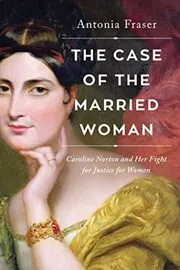
Fraser’s more recent biographies, The Case of the Married Woman and Lady Caroline Lamb, move into the nineteenth century. Caroline Norton fights the law after marriage strips her of rights to her children and property. Lady Caroline Lamb struggles to be seen as a writer and thinker, not only as Lord Byron’s scandalous lover.
Read these books when you want history with people at the center. The stakes are often public, but the pressure usually lands in private rooms: marriages, nurseries, letters, sickbeds, courts, chapels, and prisons.






Edited by
Software engineer whose passion for tracking book recommendations from podcasts inspired the creation of MRB.
Lead investor at 3one4 Capital whose startup expertise and love for books helped shape MRB and its growth.
Comments
Did we miss something? Have feedback?
Help us improve this page by sharing your thoughts