
Wole Soyinka Books in Order
Explore Wole Soyinka books in order, with short summaries and a guide to the series and standalone titles to help you choose where to start reading.
Last updated: 28 new books added
As an Amazon Associate, we earn from qualifying purchases (at no extra cost to you).
Wole Soyinka books in publication order
28 books

A Dance of the Forests
by Wole Soyinka
1963
Written for Nigeria's independence celebrations, this play brings the living into confrontation with the dead. By questioning idealized accounts of the past, Soyinka examines the failures a newly independent society risks carrying into its future.
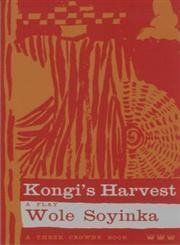
Kongi's Harvest
by Wole Soyinka
1965
Dictator Kongi wants a deposed king to endorse his authority by presenting a ceremonial yam at a harvest celebration. The demand turns a traditional festival into a struggle over political legitimacy, resistance and the control of a nation's future.
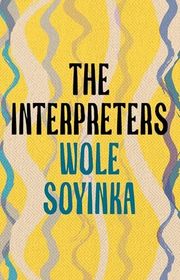
The Interpreters
by Wole Soyinka
1965
Five friends return to Lagos after studying abroad and confront political corruption and conflicting cultural expectations. Their careers, relationships, and arguments reveal the difficulty of reconciling inherited traditions with Western influences in a newly independent Nigeria.
The Road
by Wole Soyinka
1965
Drivers and their assistants gather at a Nigerian roadside shop where salvaged parts from wrecked vehicles are sold. Presiding over them, the mysterious Professor searches for the meaning of death while accidents, corruption and political violence shape their precarious lives.
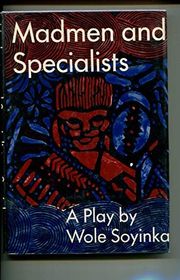
Madmen and Specialists
by Wole Soyinka
1971
In a doctor's surgery, beggars and people considered insane become subjects of disturbing experiments. Set against Nigeria's experience of civil war, the play exposes relationships of power and the troubling boundary between those who abuse and those they control.
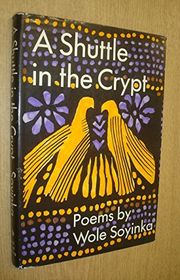
A Shuttle in the Crypt
by Wole Soyinka
1972
Written out of reflections on imprisonment in Nigeria, these poems explore isolation and encounters with other people. Confinement becomes a setting for examining what human connection means when political violence and separation threaten to erase it.
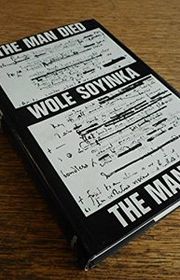
The Man Died
by Wole Soyinka
1972
Wole Soyinka recounts the twenty-seven months he spent imprisoned as a political detainee during Nigeria's civil war. His account records captivity between 1967 and 1969, offering a writer's testimony from a country divided by war and repression.
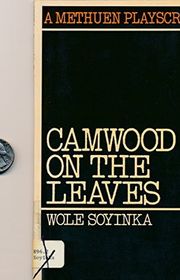
Camwood On The Leaves
by Wole Soyinka
1973
Adolescent awakening unsettles a Yoruba family already divided by generational conflict. As European Christianity presses against inherited cultural traditions, private tensions reveal the strain of living between competing beliefs and expectations in a changing West African society.
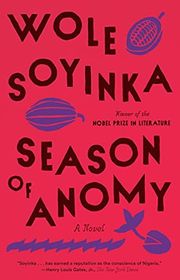
Season of Anomy
by Wole Soyinka
1973
Inspired by a remote village's traditional values, advertising writer Ofeyi challenges the corruption consuming his country. The response is violent, and his wife's disappearance sends him across a landscape ravaged by conflict in search of her.
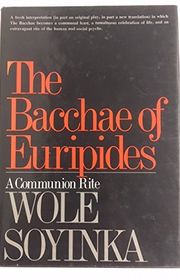
The Bacchae of Euripides
by Wole Soyinka
1973
Wole Soyinka reimagines Euripides' tragedy as a communal ritual, drawing connections between Greek drama and African spiritual traditions. Choral rhythms, religious myth, and collective celebration give the ancient play a renewed emphasis on life's destructive and replenishing energies.
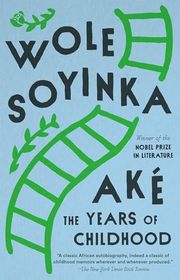
Aké
by Wole Soyinka
1981
Wole Soyinka recalls his boyhood in Aké, a Yoruba village in western Nigeria, before and during World War II. Raised among Christian beliefs and Yoruba traditions, an inquisitive child discovers books, family tensions, and the larger world around him.
Opera Wonyosi
by Wole Soyinka
1981
Soyinka reworks The Beggar's Opera and The Threepenny Opera into a satire of African power and wealth. Beggars, criminals and rulers inhabit a society distorted by oil money, conspicuous luxury and corruption, where advancement rests on exploitation.
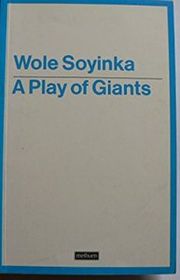
A Play of Giants
by Wole Soyinka
1984
A group of African dictators gathers inside a New York embassy and attempts to make decisions together. Their ambitions, paranoia, and rivalries fuel a political satire that exposes the absurdity and brutality behind authoritarian power.

Requiem For A Futurologist
by Wole Soyinka
1985
Two rival predictors of the future turn prophecy into a struggle for influence. When a subordinate announces his superior's approaching death and publishes an obituary, Soyinka uses their competition to expose fraudulent spiritual authority and the credulity that sustains it.

Childe internationale
by Wole Soyinka
1987
Titi returns from boarding school with Western manners that unsettle her Nigerian politician father. Supported by her mother, she challenges the household's expectations, turning a family reunion into a comic clash over authority, education and cultural identity.
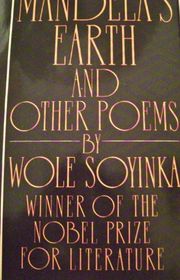
Mandela's Earth and Other Poems
by Wole Soyinka
1988
Wole Soyinka's poems honor Nelson Mandela while confronting political corruption and failures of conscience. Alongside their public concerns, they explore the uncertainties of life and love, bringing personal reflection into conversation with struggles for dignity and freedom.
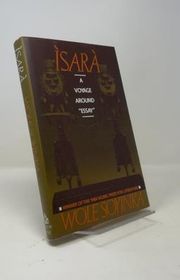
Ìsarà
by Wole Soyinka
1989
Wole Soyinka reconstructs the world of his father and grandfather in colonial Nigeria. Looking across generations, he explores how political domination shaped private lives, revealing the human complexities behind a period of profound social change.
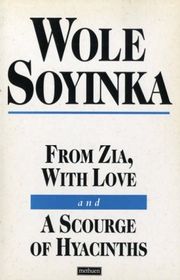
From Zia, with love
by Wole Soyinka
1992
A military decree retroactively turns a prison offense into a crime punishable by immediate execution. Through life inside a prison, Soyinka satirizes the arbitrary authority, fear, and injustice of military rule in Nigeria.
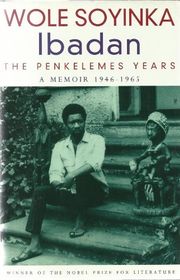
Ibadan
by Wole Soyinka
1994
Following his alter ego from school in Ibadan to university and theatrical work abroad, Wole Soyinka recounts a writer's coming of age. His growing opposition to corruption gradually takes him beyond literary criticism toward direct political action.
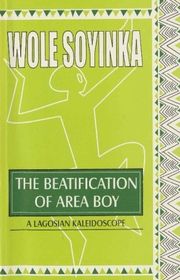
The Beatification of Area Boy
by Wole Soyinka
1999
As two powerful families prepare for a traditional wedding, police seek to clear unwanted people from the surrounding streets. Everyday racketeering and official intimidation expose the tensions between ambition, social exclusion, and survival in contemporary Nigeria.
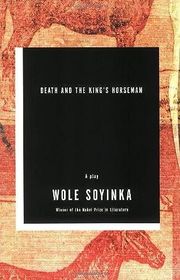
Death and the King's Horseman
by Wole Soyinka
2002
After a Yoruba king dies, his chief horseman is expected to follow him through ritual suicide. A colonial officer's intervention and the return of the horseman's son set competing duties and beliefs on a tragic collision course.
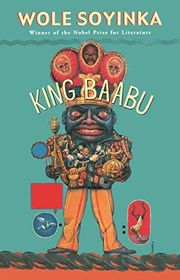
King Baabu
by Wole Soyinka
2002
General Basha Bash seizes power in a coup, then trades his uniform for a crown and calls himself King Baabu. Burlesque language and theatrical excess expose the vanity, greed, and violence of his authoritarian rule.
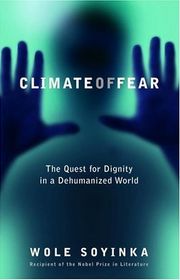
Climate of Fear
by Wole Soyinka
2005
Wole Soyinka examines how terrorism, tyranny, and less visible forms of power create a pervasive climate of fear. Drawing on his Reith Lectures, he considers the consequences for freedom, collective anxiety, and the defense of human dignity.
Jero's Metamorphosis
by Wole Soyinka
2005
Brother Jero schemes to prevent the government from taking over a private beach. Using religious hypocrisy and political cunning, he gains control of a church and reshapes it into an organization designed to serve his own ambitions.
The Lion and the Jewel
by Wole Soyinka
2005
In a Yoruba village, the influential Baroka pursues Sidi, the admired village beauty, while a young schoolteacher represents Western ideas. Their competing desires turn courtship into a comic struggle involving power, tradition, and changing social expectations.
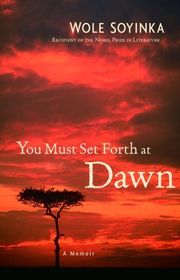
You Must Set Forth at Dawn
by Wole Soyinka
2006
Wole Soyinka recounts his adult life as a writer and political activist, continuing the story of his childhood memoir. Exile, literary work, personal adventures, and campaigns for human rights reveal a life repeatedly shaped by Nigeria's political upheavals.
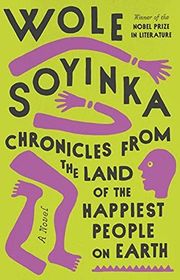
Chronicles from the Land of the Happiest People on Earth
by Wole Soyinka
2021
A doctor discovers that body parts from his hospital are being sold for rituals and turns to an old friend for help. Their inquiry draws them toward powerful interests, exposing corruption whose reach neither initially understands.
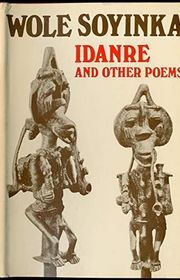
Idanre and Other Poems
by Wole Soyinka
A long poem retells the creation myth of Ogun, the Yoruba god of iron, alongside shorter works about love, ageing, and violence. Personal reflection and political anguish meet in poems responding to both intimate experience and Nigeria’s upheavals.
Standalone Wole Soyinka books







Edited by
Software engineer whose passion for tracking book recommendations from podcasts inspired the creation of MRB.
Lead investor at 3one4 Capital whose startup expertise and love for books helped shape MRB and its growth.
Comments
Spotted a missing book, a wrong order or a mistake? Tell us and we'll fix this page.
We're a reading guide, not the author or publisher, so we can't send books or pass on messages.