
Winning of America/Narratives of America Books in Order
Part ofAllan W Eckert Books in OrderExplore the Winning of America series by Allan W Eckert, with books in order, narrative summaries, historical background, and help choosing a starting point for this frontier saga.
Last updated:
As an Amazon Associate, we earn from qualifying purchases (at no extra cost to you).
Winning of America/Narratives of America books in publication order
6 books
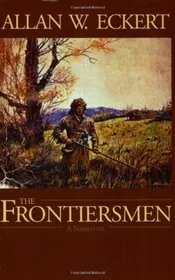
The Frontiersmen
by Allan W Eckert
1967
The Frontiersmen launches the Winning of America series with a narrative of hunters, scouts, and settlers like Simon Kenton as they push into Kentucky and the Ohio Valley, clashing with Native nations in a landscape that is both opportunity and graveyard.
Wilderness Empire
by Allan W Eckert
1969
Wilderness Empire, the second Winning of America volume, centers on the Iroquois League during the French and Indian War, as France and Britain court Native alliances and fight for control of a vast “wilderness empire” neither fully understands.
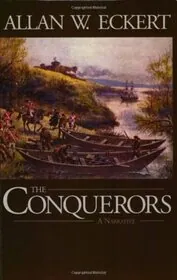
The Conquerors
by Allan W Eckert
1971
The Conquerors, third in the Winning of America series, tells the story of Pontiac’s uprising after the French and Indian War, as British troops, traders, and Native confederacies battle over forts and trade routes in the Great Lakes and Old Northwest country.
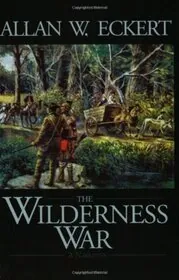
The Wilderness War
by Allan W Eckert
1978
The Wilderness War, fourth in the Winning of America series, covers 1763 to 1780, showing how the American Revolution shattered the Iroquois League as Joseph Brant and other leaders chose sides, and as battles for New York’s fertile valleys decided both empire and homelands.
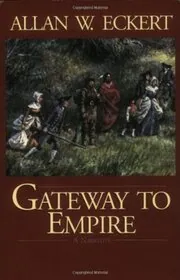
Gateway to Empire
by Allan W Eckert
1984
Gateway to Empire, part of the Winning of America series, examines the Chicago portage and Great Lakes region in the early 1800s, following traders, soldiers, settlers, and Native leaders as the tiny frontier outpost becomes a strategic gateway in the War of 1812.
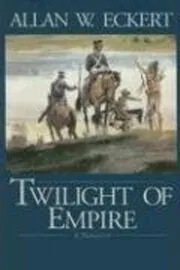
Twilight of Empire
by Allan W Eckert
1988
Twilight of Empire, the final Winning of America volume, focuses on the Black Hawk War of 1832, tracing how Black Hawk’s band and United States forces, including future national leaders, collide over rich Midwestern farmland in a short, bloody conflict that closes an era.
Winning of America/Narratives of America books in chronological order
Series background & context
The Winning of America, also known in some editions as the Narratives of America, is Allan W Eckert’s six‑volume account of how the forests and river valleys of the interior United States became part of the young American republic. These books read like sprawling novels but are built on letters, journals, military records, and tribal histories.
The series opens with The Frontiersmen, centered on figures such as Simon Kenton and other rarely spotlighted pioneers pushing into what would become Kentucky, Ohio, Indiana, Illinois, and Michigan. Eckert follows their hunts, skirmishes, friendships, and betrayals against the backdrop of the Ohio Country, where Native nations and incoming settlers are locked in a brutal contest over land and survival.
Wilderness Empire and The Conquerors shift the focus north and east to the Iroquois League and the struggle between France and Britain for control of the same vast interior. Readers see the French and Indian War not just through generals’ eyes but through traders, scouts, and Native leaders, culminating in Pontiac’s uprising when Native confederacies tried to push the British back out of the old French forts and hunting grounds.
The Wilderness War carries the story into the American Revolution, tracing how that conflict tore the Iroquois League apart and turned long‑standing alliances upside down. Chiefs such as Joseph Brant, British colonial officials, and frontier settlers are caught in a web of shifting loyalties as the new United States fights for independence and Indigenous nations fight simply to hold their homelands.
Gateway to Empire moves westward again to the Chicago portage and the Great Lakes region in the years leading up to and through the War of 1812. Traders like John Kinzie, United States officers, and Native leaders including Tecumseh find themselves drawn into a struggle over the narrow land bridge that links the eastern seaboard to the interior. The book shows how a small patch of marsh and river crossings became a focal point in the contest for a continent.
Twilight of Empire closes the sequence with the Black Hawk War of 1832 and the final dismantling of Native control over rich farmland along the upper Mississippi. Here, Eckert weaves in young officers and politicians who will later become national figures alongside Sauk leader Black Hawk and his followers, whose resistance is crushed at terrible cost.
Across the series, readers can expect a consistent approach. Eckert dramatizes conversations and inner thoughts while staying close to the documentary record. Battles, councils, and small domestic scenes are rendered in the same granular detail. The tone does not gloss over violence or injustice, but it also avoids simple heroes and villains, allowing both Native and non‑Native figures full human complexity.
Taken together, the Winning of America books form a long, continuous narrative from the mid‑eighteenth century through the early nineteenth, showing how treaties, wars, migrations, and personal decisions gradually transformed the interior of North America from contested Indigenous homelands into states of the United States.








Edited by
Software engineer whose passion for tracking book recommendations from podcasts inspired the creation of MRB.
Lead investor at 3one4 Capital whose startup expertise and love for books helped shape MRB and its growth.
Comments
Did we miss something? Have feedback?
Help us improve this page by sharing your thoughts