
Winifred Watson Books in Order
Browse Winifred Watson's books in order, with short summaries, reading suggestions, and useful background on her fiction to help you decide where to begin.
Last updated:
As an Amazon Associate, we earn from qualifying purchases (at no extra cost to you).
Winifred Watson books in publication order
4 books

Fell Top
by Winifred Watson
1935
In a harsh rural community, a troubled marriage turns cruel and dangerous. Watson builds a dark drama of desire, abuse, and a killing whose aftermath tests loyalties, conscience, and the limits of local respectability.
Odd Shoes
by Winifred Watson
1936
Set in nineteenth-century Newcastle, this sprawling family drama follows Ann MacDonald from difficult beginnings to marriage, business, and motherhood. As her children grow, love, class, and respectability create new pressures, especially around her headstrong daughter Elizabeth.
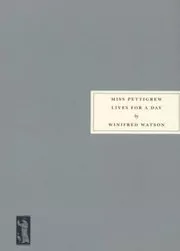
Miss Pettigrew Lives for a Day
by Winifred Watson
1937
A desperate, middle-aged governess arrives at the wrong interview and becomes entangled in the glittering London life of nightclub singer Delysia. Over one frantic day, Miss Pettigrew navigates romance, rivalry, and a chance at reinvention.
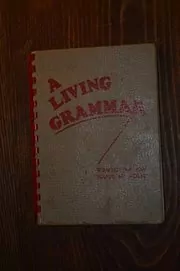
A Living Grammar
by Winifred Watson
1939
Written with Julius M. Nolte, this illustrated school grammar uses verse, pictures, and playful examples to make parts of speech easier to remember. It treats grammar as something children can explore rather than simply memorize.
Where to start with Winifred Watson
For Watson's early dramatic novels: Fell Top → Odd Shoes.
For a brisk, funny, one-day story: Miss Pettigrew Lives for a Day.
For an illustrated grammar guide: A Living Grammar.
Winifred Watson collections, short stories, and related book types
Non-Fiction Books
Standalone Winifred Watson books
Author bio
Winifred Watson was born near Newcastle, at Whitley Bay, on 20 October 1906, and spent almost all her life in the Newcastle area. Her father ran four shops in Newcastle and Gateshead that served working-class customers, giving her a close view of how money, status, and everyday pressures shaped people's choices.
She attended St Ronan's, a boarding school in Berwick-upon-Tweed. University had been expected, as it had been for her sisters, but the Depression damaged the family business, so Watson went to commercial college and then took a typing job in Newcastle to help support the household.
The job was dull, but it gave her time to write.
Watson began Fell Top after telling her brother-in-law that the book she was reading was rubbish and that she could do better. He challenged her to prove it. She wrote the manuscript, put it away for years, then submitted it after her sister spotted an advertisement seeking manuscripts. It was published in 1935 and later adapted for radio.
Her early novels were not the light comedies some readers might expect after discovering her best-known book. Fell Top is a dark rural drama, built around a cruel marriage, violence, and the pressure of village loyalties. Odd Shoes, published in 1936, moves through nineteenth-century Newcastle and follows a woman and her family as love, class, respectability, and ambition pull them in different directions.
Women trying to make room for themselves are at the heart of her work.
Then came Miss Pettigrew Lives for a Day in 1938. The story of an out-of-work governess dropped into the frantic social world of a London nightclub singer was first rejected because it was so unlike Watson's earlier fiction. Watson and her publisher eventually reached a deal, and the novel was published. Its quick pace, comic misunderstandings, and warm belief in second chances made it a success in Britain, the United States, and Australia. It later returned to print and became a film in 2008.
Watson married Leslie Pickering in 1936, and their son, Keith, was born in 1941. During the Blitz, she brought him downstairs shortly before a bomb struck next door and damaged the upper part of their home. The crowded living arrangements that followed made writing difficult, and she later said that her creative energy went into raising her son.
Her final novel appeared in 1943. Watson had written six novels in a relatively short period, often returning to family conflict, class divides, desire, and the stubborn ways women survive hard circumstances. She died in Newcastle upon Tyne on 5 August 2002, after seeing Miss Pettigrew Lives for a Day find a new generation of readers.









Edited by
Software engineer whose passion for tracking book recommendations from podcasts inspired the creation of MRB.
Lead investor at 3one4 Capital whose startup expertise and love for books helped shape MRB and its growth.
Comments
Did we miss something? Have feedback?
Help us improve this page by sharing your thoughts