
William S Burroughs Books in Order
Browse William S. Burroughs's books in order, with story summaries, reading order help, and background on his surreal, experimental Beat and postmodern work.
Last updated: 13 new books added
As an Amazon Associate, we earn from qualifying purchases (at no extra cost to you).
William S Burroughs books in publication order
35 books
Junky / Junkie
by William S Burroughs
1953
This largely autobiographical novel follows life in the postwar drug underground, examining dependency, withdrawal, and repeated attempts to stop using narcotics. Its spare narrative presents the routines, relationships, and precarious economics surrounding addiction without offering a conventional redemption story.
Naked Lunch
by William S Burroughs
1959
Bill Lee moves through Interzone, a surreal landscape of addiction, political intrigue, paranoia, and disturbing medical experiments. Fragmented scenes and dark satire replace a conventional plot, exposing systems of control through a shifting, hallucinatory fictional world.
Recommended by
2 people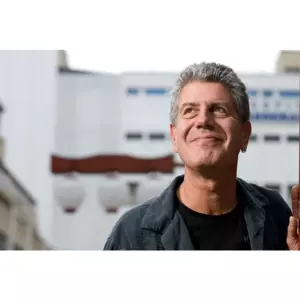 Anthony Bourdain recommended this book
Anthony Bourdain
"Filthy, dangerous, depraved groundbreaking. And funny as Hell." - Anthony Bourdain
Anthony Bourdain's recommendation of this book  Chimamanda Ngozi Adichie recommended this book
Chimamanda Ngozi Adichie
"A book I consider grossly overrated." - Chimamanda Ngozi Adichie
Chimamanda Ngozi Adichie's recommendation of this book
Minutes To Go
by William S Burroughs
1960
Burroughs joins Brion Gysin, Gregory Corso, and Sinclair Beiles in this early collection of cut-up writing. Individual and collaborative pieces rearrange existing language into new forms, introducing an experimental method that would shape Burroughs's later fiction.

The Soft Machine
by William S Burroughs
1961
This experimental novel uses cut-up writing to challenge the forces that turn human lives into predetermined scripts. Disrupted language and shifting narrative fragments explore bodily experience, addiction, and the ways institutional control reaches into thought and perception.

The Ticket That Exploded
by William S Burroughs
1962
Inspector Lee and the Nova Police confront the Nova Mob in a struggle over humanity's future. Cut-up prose transforms language into a destructive contagion, combining science fiction, satire, and experiments with the mechanisms through which people are controlled.
Dead Fingers Talk
by William S Burroughs
1963
New material combines with rearranged passages from Naked Lunch, The Soft Machine, and The Ticket That Exploded. This experimental work reshapes familiar texts into a fresh configuration, anticipating remix culture while extending Burroughs's investigations into narrative form.
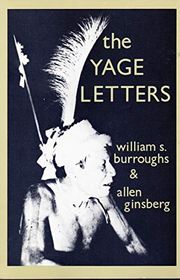
The Yage Letters
by William S Burroughs
1963
Letters between William Burroughs and Allen Ginsberg follow their separate searches for the South American hallucinogen yage. Travel encounters, visions, and exchanges of advice reveal experiences and early experiments that helped shape Burroughs’s later writing.

Nova Express
by William S Burroughs
1964
The Nova Criminals seek domination and destruction, while Inspector Lee must dismantle the machinery of words and images they exploit. This cut-up novel combines science fiction and political satire in an attack on addiction to power and control.
The Job
by William S Burroughs
1969
Interviews with Daniel Odier appear alongside stories and other writings, presenting Burroughs's ideas about language and systems of control. Discussions range across the Beat movement, cut-up methods, media, drugs, morality, and political power, connecting his literary experiments with his worldview.
The Last Words of Dutch Schultz
by William S Burroughs
1969
Gangster Dutch Schultz's recorded delirium after a fatal shooting becomes the starting point for an imagined film script. Burroughs transforms fragments of memory and criminal experience into a surreal fantasia about violence, fear, and a life nearing its end.
The Wild Boys
by William S Burroughs
1969
In a futuristic world at war, guerrilla bands dedicated to freedom confront the organized armies of repressive states. Burroughs combines grotesque humor and speculative imagery in an experimental narrative about rebellion, conformity, and the machinery of social control.
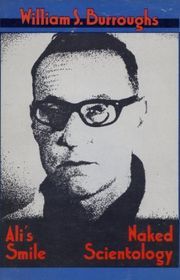
Ali's Smile & Naked Scientology
by William S Burroughs
1973
Burroughs examines Scientology through critical letters and articles, weighing techniques he finds useful against organizational practices he distrusts. A hallucinatory story explores its damaging effects, bringing fiction and personal commentary together in an English and German collection.
Exterminator!
by William S Burroughs
1973
Conspiracies, medical horrors, futuristic wars, and a sinister servant populate this collection of experimental narratives. Its shifting pieces examine racism, corporate power, and drug dependency, bringing satire and disturbing fantasy together in a fragmented portrait of contemporary control.
Port of Saints
by William S Burroughs
1973
The Wild Boys wage a subversive campaign against forces of order and institutional language. Experimental sequences combine rebellion with autobiographical reflection, continuing Burroughs's exploration of creative resistance and the struggle to escape imposed cultural and political structures.
The Book of Breeething / Ah Pook is Here
by William S Burroughs
1975
Burroughs combines alphabetic language with pictorial signs and hieroglyphic forms in this illustrated experimental work. Text and images extend his investigations into how writing shapes perception, exploring possibilities for expression beyond the ordinary conventions of prose.
Cobble Stone Gardens
by William S Burroughs
1976
This short experimental work revisits familiar Burroughs themes through an unexpected memorial to his parents. The title invokes their garden shop, linking personal remembrance with the shifting associations and fragmented forms characteristic of his writing.
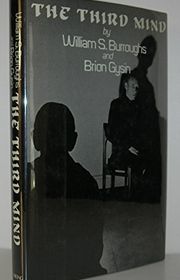
The Third Mind
by William S Burroughs
1978
William Burroughs and Brion Gysin explore the cut-up method through collaborative texts and illustrations. By rearranging language and images, they demonstrate a shared creative approach that disrupts familiar meanings and opens writing to unexpected combinations.
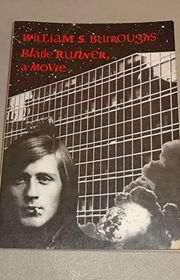
Blade Runner
by William S Burroughs
1979
A near-future America faces a medical crisis sharpened by a mutated virus and authoritarian politics. Burroughs’s science-fiction screen treatment explores a society where access to care becomes a weapon of control and underground medicine offers resistance.

Cities of the Red Night
by William S Burroughs
1981
Rebellious young fighters confront an empire of mutants while a radioactive virus spreads through a threatened world. This apocalyptic novel blends speculative adventure with Burroughs's preoccupation with power, beginning the trilogy continued in The Place of Dead Roads.
Lasers
by William S Burroughs
1982
This illustrated introduction explains the properties of laser light and how lasers work. It surveys applications in holography, communications, fusion systems, long-distance measurement, medicine, industry, and weaponry, connecting the underlying scientific principles with practical technological uses.

The Place of Dead Roads
by William S Burroughs
1983
Gunslinger Kim Carson and a cast of eccentric outlaws challenge the morality of America's Old West. Their struggles reach toward intergalactic freedom in a surreal western that examines the state, religion, and other forces shaping human behavior.
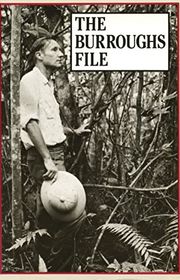
The Burroughs File
by William S Burroughs
1984
Stories, essays, diary material, and cut-up scrapbook pages gather Burroughs’s scattered shorter publications. Satirical reports and experimental writing explore the underside of American life, bringing together obscure pieces with complete texts of several smaller works.
Queer
by William S Burroughs
1985
In early 1950s Mexico City, William Lee moves among American expatriates while pursuing a desire he cannot satisfy. Autobiographical elements and comic, grotesque fantasies combine in a novel about loneliness, fixation, and the difficulty of establishing an intimate connection.
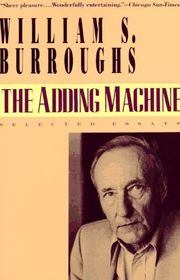
The Adding Machine
by William S Burroughs
1985
Burroughs reflects on literature, science, friendships, and the ideas behind his own writing across three decades of essays. Candid assessments of other authors accompany explanations of cut-up methods, coincidence, and his skeptical view of contemporary life.
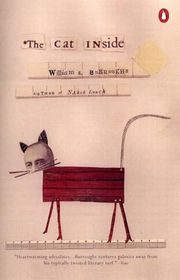
The Cat Inside
by William S Burroughs
1986
Burroughs recalls the cats that entered his life, combining affectionate observations with dreams and deadpan sketches. His unexpected friendships lead into reflections on the long relationship between humans and cats, revealing a gentler side of his writing.
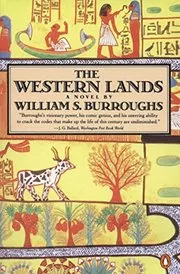
The Western Lands
by William S Burroughs
1987
Ancient Egyptian mythology and autobiographical episodes intertwine in a fragmented quest beyond death toward immortality. Concluding the Red Night trilogy, this novel reflects on loneliness, moral responsibility, and the dangers surrounding humanity's longing to escape its mortal limits.
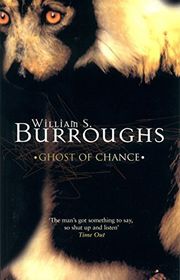
Ghost of Chance
by William S Burroughs
1991
An adventure in Madagascar’s jungle brings together drugs, paranoia, and endangered lemurs. Burroughs turns his familiar obsessions toward environmental destruction, using a short, unsettling narrative to explore the damage humanity inflicts on the natural world.
Seven Deadly Sins
by William S Burroughs
1991
Burroughs pairs original texts with artwork addressing the seven deadly sins. Images made through silkscreen and shotgun-marked woodblocks accompany his written responses, joining visual experimentation with reflections on sloth, greed, anger, gluttony, lust, envy, and pride.
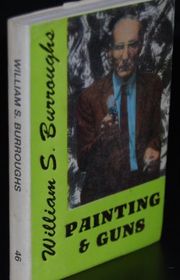
Painting and Guns
by William S Burroughs
1992
Two essays bring together Burroughs’s reflections on creativity and the violent world around him. The Creative Observer and The War Universe offer a compact pairing of his ideas about artistic perception and conflict, extending interests found throughout his work.
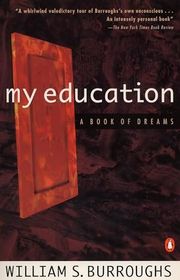
My Education
by William S Burroughs
1995
Dreams recorded over decades bring together Burroughs’s friends, cats, desires, and everyday concerns with stranger visions. This final collection turns the imagery behind his fiction into a personal record, blending ordinary encounters with the bizarre and unsettling.
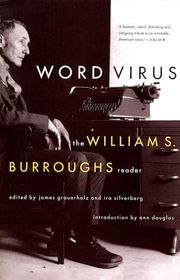
Word Virus
by William S Burroughs
1998
Selections from Burroughs’s early writing through his final dream collection follow recurring themes across his career. Darkly comic routines and experimental passages appear alongside introductions that connect the work with his life and changing artistic concerns.
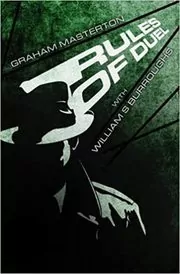
Rules of Duel
by William S Burroughs
2010
Reporter Tom Crisp tries to understand his confinement at Tin Type Hall amid double agents and surreal conspiracies. Written by Graham Masterton using techniques associated with Burroughs, this experimental novel includes an introduction by Burroughs and destabilizes conventional storytelling.
Interzone
by William S Burroughs
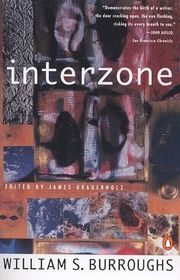
Stories, letters, sketches, and diary entries trace Burroughs’s years in Tangier as his writing changes direction. Addiction, sexuality, and mordant humor shape these experiments, revealing the transition from restrained early prose toward the disruptive voice of Naked Lunch.
Junky
by William S Burroughs
Burroughs's debut novel traces the recurring cycle of narcotic dependency, withdrawal, attempted cures, and relapse. Drawing on his own experiences, it moves through New York, New Orleans, and Mexico City, observing the postwar underground and the daily demands of addiction.
William S. Burroughs' "The Revised Boy Scout Manual"
by William S Burroughs
This satirical text examines rebellion against institutional power through Burroughs's characteristic routines and provocations. Its parody of a manual explores language, media, and political manipulation, leaving readers to question the boundary between comic invention and serious revolutionary intent.
William S Burroughs sub-series and character series
Nova Trilogy books in order
Explore this seriesRed Night Trilogy books in order
Explore this seriesStandalone William S Burroughs books









William S. Burroughs' "The Revised Boy Scout Manual"
by William S Burroughs
Publication date unknownAn Electronic Revolution


Edited by
Software engineer whose passion for tracking book recommendations from podcasts inspired the creation of MRB.
Lead investor at 3one4 Capital whose startup expertise and love for books helped shape MRB and its growth.
Comments
Did we miss something? Have feedback?
Help us improve this page by sharing your thoughts