
William Makepeace Thackeray Books in Order
Browse William Makepeace Thackeray books in order, with quick summaries, starting points, and a guide to his novels, sketches, travel writing, and satire.
Last updated:
As an Amazon Associate, we earn from qualifying purchases (at no extra cost to you).
William Makepeace Thackeray books in publication order
63 books
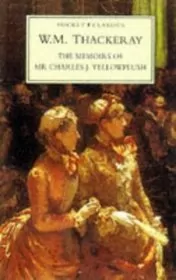
The Memoirs of Mr. Charles J. Yellowplush
by William Makepeace Thackeray
1837
Thackeray invents a wonderfully shameless footman who reports on fashionable life in mangled spelling and sharp gossip. The voice is the main event, funny, rude, and very good at exposing class pretension.
Catherine
by William Makepeace Thackeray
1840
Thackeray's first novel follows the criminal Catherine Hayes through a grim, darkly comic world of theft, violence, and bad choices. It began as a parody of fashionable crime fiction but already shows his fascination with charming scoundrels.
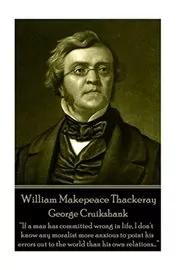
George Cruikshank
by William Makepeace Thackeray
1840
A lively essay on the great caricaturist and illustrator George Cruikshank. Thackeray writes as an admirer, but also as a fellow artist thinking about style, humor, and what pictures can do.
The Paris Sketch Book
by William Makepeace Thackeray
1840
Part travel book, part story collection, this early volume watches Parisian life, theaters, streets, and travelers with curiosity and bite. It already shows Thackeray mixing observation with satire.

The Story of Mary Ancel
by William Makepeace Thackeray
1840
Set during the French Revolution, this short tale follows Mary Ancel through fear, loyalty, and danger as she tries to save the man she loves. It is more earnest than some of Thackeray's satires, but still briskly told.
The Second Funeral of Napoleon
by William Makepeace Thackeray
1841
A brisk, ironic account of Napoleon's reburial in France, mixing ceremony, politics, and reflections on hero worship. It is history told with Thackeray's usual skepticism about fame and public feeling.
The Fitz-Boodle Papers
by William Makepeace Thackeray
1842
A loose set of comic sketches, tales, and social observations linked by the persona George Savage Fitz-Boodle. You can see Thackeray testing voices, parody, and the satirical eye he later sharpened in his major novels.

The Irish Sketch-Book
by William Makepeace Thackeray
1843
Thackeray travels through Ireland and records roads, towns, inns, and conversations in a book that mixes vivid observation with strong opinion. It is valuable as travel writing, even when his judgments are clearly of his time.
The Luck of Barry Lyndon
by William Makepeace Thackeray
1844
Redmond Barry tells his own rise and ruin with swagger, vanity, and constant self-justification. The fun is hearing a born rogue explain his worst decisions as if they were proofs of genius.
Legend of the Rhine
by William Makepeace Thackeray
1845
A comic Rhine legend filtered through Thackeray's mock-romantic style, with castles, travelers, and a knowing wink at Gothic storytelling. It turns picturesque scenery and old legend into playful satire.
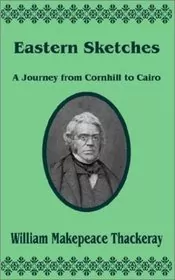
Eastern Sketches
by William Makepeace Thackeray
1846
A companionable set of travel pieces drawn from Thackeray's Eastern journey. The appeal lies in the mixture of movement, anecdote, and quick character sketches rather than formal history.
Notes on a Journey from Cornhill to Grand Cairo
by William Makepeace Thackeray
1846
An entertaining travel narrative that carries the reader from the Mediterranean to Jerusalem and Cairo. Thackeray notices scenery, fellow passengers, and cultural performance with the same amused eye he brings to London society.
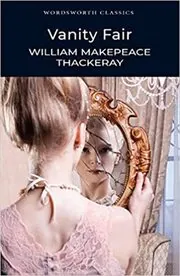
Vanity Fair
by William Makepeace Thackeray
1847
Becky Sharp and Amelia Sedley move through war, marriage, debt, and drawing rooms in a novel that strips the polish off polite society. It is funny, sharp, and crowded with people chasing rank, money, and security.

Our Street
by William Makepeace Thackeray
1848
This illustrated set of linked sketches tours one London street and its memorable residents. Neighbors, pretensions, and everyday dramas become a funny portrait of urban middle-class life.
The Book of Snobs
by William Makepeace Thackeray
1848
These satirical sketches map the many forms of snobbery in nineteenth-century England, from the aristocratic to the painfully aspirational. The book is funny, but it also explains a lot about the world behind Vanity Fair.
The Great Hoggarty Diamond
by William Makepeace Thackeray
1848
A valuable diamond throws young Samuel Titmarsh into a run of comic hopes, social embarrassment, and financial confusion. Thackeray uses one flashy object to expose how quickly money changes other people's manners.
The History of Pendennis
by William Makepeace Thackeray
1848
Arthur Pendennis stumbles from first love to university to journalism while learning how badly charm can mislead him. Part coming-of-age novel, part social comedy, it watches a young man grow up the hard way.
Rebecca and Rowena
by William Makepeace Thackeray
1850
Thackeray cheekily returns to the world of Ivanhoe and turns chivalric romance inside out. It is both a sequel and a parody, more interested in vanity and marital reality than heroic legend.
Men's Wives
by William Makepeace Thackeray
1852
Three satirical stories look at unhappy marriages, mismatched ambitions, and the quiet bargains people make for money or status. Shorter than the big novels, but just as sharp about selfishness and delusion.
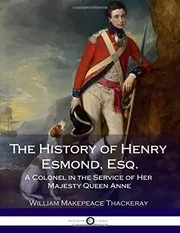
The History of Henry Esmond, Esq.
by William Makepeace Thackeray
1852
Henry Esmond tells his own story against the politics and society of Queen Anne's England. It is slower and more historical than Vanity Fair, but rich in divided loyalties, disappointed love, and moral unease.

Ballads
by William Makepeace Thackeray
1855
A collection of light verse, comic songs, and narrative poems that shows Thackeray's playful side. Even in rhyme, he stays interested in vanity, sentiment, and the small comedy of ordinary people.
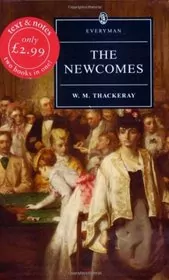
The Newcomes
by William Makepeace Thackeray
1855
Colonel Newcome and his son Clive move through family duty, love, money, and social ambition in a long, generous family novel. Arthur Pendennis returns as narrator, linking it to Thackeray's wider fictional world.
The Rose and the Ring
by William Makepeace Thackeray
1855
A playful fairy tale set among princes, princesses, magic objects, and very silly adults. Beneath the jokes, Thackeray is poking at beauty, rank, and the idea that romance always knows best.
The Tremendous Adventures of Major Gahagan
by William Makepeace Thackeray
1855
Major Gahagan boasts his way through impossible military adventures in India and beyond. The joke is the gap between his heroic self-image and the absurdity of what he claims to have done.

Burlesques
by William Makepeace Thackeray
1856
A collection of parodies and comic reinventions, often aimed at popular legends, romances, and literary fashions. Thackeray's pleasure in imitation and deflation is everywhere.
The Bedford-Row Conspiracy
by William Makepeace Thackeray
1856
A comic conspiracy tale built around love, marriage plans, and political maneuvering. Thackeray keeps the plot moving, but the real pleasure is his mockery of pompous public life and private scheming.
The Virginians
by William Makepeace Thackeray
1859
This sequel to The History of Henry Esmond, Esq. follows the next generation of the family in colonial Virginia and England. With brothers divided by the American Revolution, it blends family feeling with transatlantic history.
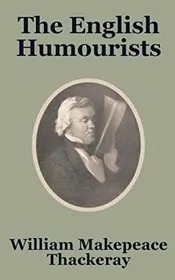
The English Humourists
by William Makepeace Thackeray
1861
Based on his public lectures, this book offers lively portraits of eighteenth-century writers such as Swift, Addison, Steele, Sterne, and Goldsmith. It reads less like formal criticism than like an intelligent talk from a very engaged reader.
The Adventures of Philip
by William Makepeace Thackeray
1862
Philip Firmin loses money, love, and security, then tries to rebuild his life through work and stubborn decency. Narrated again by Pendennis, it is a late Thackeray novel about setbacks, loyalty, and survival.
Roundabout Papers
by William Makepeace Thackeray
1863
These familiar essays wander through reading, travel, memory, society, and the burdens of magazine life. The charm is in the voice, thoughtful, funny, and happy to take the scenic route.
Some Roundabout Papers
by William Makepeace Thackeray
1863
Another gathering of Thackeray's rambling, personal essays, full of literary talk, travel memories, and social observation. They are less about argument than companionship, as if the author were thinking aloud beside you.
Denis Duval
by William Makepeace Thackeray
1864
An unfinished late novel set in the eighteenth century, following a young man shaped by sea life, war, and divided loyalties. Even incomplete, it shows Thackeray returning to historical fiction with fresh energy.

Christmas Books
by William Makepeace Thackeray
1868
This gathering of Thackeray's Christmas pieces mixes fantasy, family comedy, and seasonal satire. It is lighter than the big novels, but still full of sharp social observation.
Little Travels and Roadside Sketches
by William Makepeace Thackeray
1879
These travel sketches move through short journeys, roadside pauses, and quick impressions of people and places. Thackeray keeps the scale small and the observations lively.

Sulton Stork
by William Makepeace Thackeray
1887
A playful parody of Eastern tale conventions, full of mock grandeur and comic storytelling. It shows young Thackeray enjoying fantasy while refusing to take exotic romance too seriously.
Contributions to the Morning Chronicle
by William Makepeace Thackeray
1955
A collection of Thackeray's early newspaper writing, including reviews, commentary, and sketches. It shows him learning how to turn daily journalism into something brisk, observant, and recognizably his own.

Thackerayana
by William Makepeace Thackeray
1970
A posthumous gathering of notes, anecdotes, illustrations, and literary odds and ends connected with Thackeray. It is best read as a companion volume for readers curious about the man, the work, and the afterlife of both.
The Hitherto Unpublished Contributions of W.M. Thackeray to Punch
by William Makepeace Thackeray
1971
This volume recovers Thackeray's unsigned and little-known work for Punch. It offers a fuller picture of his magazine voice, quick, topical, and always ready to prick pretension.

The Letters And Private Papers Of William Makepeace Thackeray
by William Makepeace Thackeray
1980
A rich collection of correspondence and personal papers that brings the writer's working life and family concerns into view. It is especially useful for seeing the man behind the polished satire.

The Heroic Adventures of M. Boudin
by William Makepeace Thackeray
1984
A brief comic piece built from Thackeray's drawings and playful text. It feels like a small private extravaganza, part visual joke and part mock adventure.
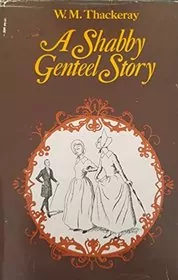
A Shabby Genteel Story
by William Makepeace Thackeray
1985
An unfinished early novel about a poor family straining to look respectable, and the predators and dreamers around them. Thackeray is already excellent on money worries, vanity, and social make-believe.
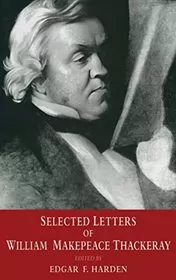
Selected Letters Of William Makepeace Thackeray
by William Makepeace Thackeray
1996
A shorter gateway into Thackeray's correspondence, lively with travel, friendship, work, and private strain. The letters show an observant, often funny mind at work outside the novels.

A Little Dinner at Timmin's
by William Makepeace Thackeray
2001
One carefully staged dinner party becomes a comic crisis of menus, rank, and social ambition. Thackeray delights in how much anxiety respectable people can pack into a single evening.
The Fatal Boots
by William Makepeace Thackeray
2001
Bob Stubbs chases the look of a gentleman, and one pair of fashionable boots helps pull him into a chain of comic disasters. It is a sharp little satire on class ambition and bad judgment.
Mr. Brown's Letters to a Young Man about Town
by William Makepeace Thackeray
2002
A comic guide to city manners, appearance, and ambition, delivered in the form of advice. Thackeray enjoys the pose of instruction while quietly laughing at the whole performance.
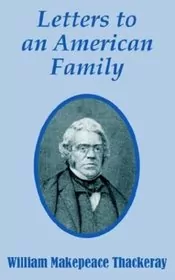
Letters to an American Family
by William Makepeace Thackeray
2003
These letters from Thackeray's American visits are warm, observant, and often more relaxed than his public prose. They record travel, friendship, and the day-to-day texture of life on tour.
Cox's Diary
by William Makepeace Thackeray
2004
Presented as a diary, this short comic work follows social climbing, dinner parties, and everyday pretensions with a dry smile. It is Thackeray in miniature, turning small embarrassments into social comedy.
Doctor Birch and His Young Friends
by William Makepeace Thackeray
2004
Set in a boys' school, this comic tale follows masters and pupils through rivalries, punishments, and small acts of courage. It is affectionate in places, but still alert to schoolroom absurdity.

Mrs. Perkins's Ball
by William Makepeace Thackeray
2004
A family's grand plan for a Christmas ball becomes a comedy of expense, logistics, and social aspiration. The fun comes from how much fuss people make for one night of supposed splendor.
Novels By Eminent Hands
by William Makepeace Thackeray
2004
A gleeful set of parodies in which Thackeray imitates the fashionable novelists of his day. The jokes work both as literary spoof and as a lesson in how closely he understood other writers' tricks.
The Notch On The Ax
by William Makepeace Thackeray
2004
A playful, deliberately over-the-top tale that spoofs the taste for sensational fiction. Thackeray keeps nudging the story toward absurdity while showing how easily readers can fall for a fashionable pose.
Loose Sketches
by William Makepeace Thackeray
2007
An early collection of short pieces, including comic tales and experiments in parody, travel, and fantasy. It catches Thackeray before the big novels, trying out tones that later became unmistakably his.
Miscellanies
by William Makepeace Thackeray
2015
A broad collection of Thackeray's shorter prose and verse, gathering satire, sketches, stories, and criticism from different parts of his career. It is the best single place to browse the range of what he could do.

Reading a Poem
by William Makepeace Thackeray
2015
This short illustrated sketch turns a literary occasion into social comedy. Thackeray is less interested in solemn interpretation than in the people, poses, and reactions that gather around a poem.

Jeames's Diary
by William Makepeace Thackeray
2016
Jeames, Thackeray's swaggering servant-observer, records travel and society in a voice full of comic misspellings and class cheek. The diary keeps puncturing genteel manners from below stairs.

Stories of Comedy
by William Makepeace Thackeray
2017
A selected volume of Thackeray's comic fiction and shorter prose, built around his gift for exposing vanity and self-delusion. If you like his lighter, sharper work, this is a good place to browse.

The History of Samuel Titmarsh
by William Makepeace Thackeray
2017
Samuel Titmarsh narrates his own progress through work, money troubles, and social embarrassment with equal parts innocence and irony. It is one of Thackeray's best early portraits of a decent man pulled around by class and cash.
Lovel the Widower
by William Makepeace Thackeray
2018
A widower reenters the marriage market and finds himself caught between romance, family pressure, and social calculation. It is a lighter late comedy, more about manners and conversation than plot fireworks.
Sketches and Travels in London
by William Makepeace Thackeray
2018
This collection brings together London pieces full of streets, clubs, dinners, and small social performances. Thackeray turns ordinary city life into a running study of status and behavior.
Early and Late Papers
by William Makepeace Thackeray
2019
A posthumous collection of previously uncollected essays and sketches from different periods of Thackeray's career. The mix is uneven by design, but it shows how steady his eye for manners remained.

The Awful History of Bluebeard
by William Makepeace Thackeray
2019
Thackeray retells the Bluebeard story with comic exaggeration, playful nastiness, and his own illustrations. It is a children's burlesque that enjoys both fairy tale mischief and parody.
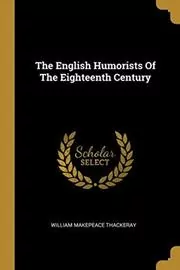
The English Humorists Of The Eighteenth Century
by William Makepeace Thackeray
2019
This edition of Thackeray's lecture series offers conversational portraits of the major eighteenth-century English humorists. He treats literary history as living company rather than a museum display.
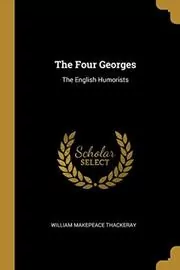
The Four Georges
by William Makepeace Thackeray
2019
Drawn from his lectures, this is Thackeray's brisk, skeptical look at the first four Hanoverian kings and the society around them. It mixes court history, anecdote, and moral commentary with relish.
Where to start with William Makepeace Thackeray
If you want the classic social satire: Vanity Fair
If you want a sharp rogue's-eye view: The Luck of Barry Lyndon → Catherine
If you want a coming-of-age novel: The History of Pendennis → The Newcomes
If you want historical fiction: The History of Henry Esmond, Esq. → The Virginians
If you want something lighter and playful: The Rose and the Ring → The Book of Snobs
William Makepeace Thackeray collections, short stories, and related book types
Short Stories/Novellas
Non-Fiction
Collections
Standalone William Makepeace Thackeray books
Author bio
William Makepeace Thackeray was born in Calcutta on July 18, 1811, the only child of Richmond Thackeray, an East India Company official. After his father died in 1816, he was sent to England, so most of his growing up happened there rather than in India. That early split, between birthplace and upbringing, seems to have stayed with him. His books are often very good at watching people who never feel entirely secure in the world around them.
Charterhouse did not make him happy.
He later spent a short time at Trinity College, Cambridge, then left without taking a degree. Law at the Middle Temple did not stick either, and neither did the plan of becoming a professional artist, though he drew well all his life and often illustrated his own work. In his twenties he travelled on the Continent, spent time in Paris, and tried on several possible futures before literature finally became the one that paid. He also inherited money at twenty-one and lost much of it through gambling and bad investments, which may be one reason his fiction understands debt, display, and financial embarrassment so well.
In 1836 he married Isabella Gethin Shawe in Paris. They had three daughters, though one died in infancy, and after the birth of their third child Isabella suffered a severe mental illness from which she never recovered. From then on Thackeray had to earn steadily by writing while also trying to keep family life together. That pressure mattered. Few writers have been better at catching the strain behind respectable appearances.
He once said he was writing for his life.
Journalism taught him speed, range, and nerve. He wrote for Fraser's Magazine, Punch, The Times, and other papers, often under pen names, and his early books grew out of that world, books like The Paris Sketch Book, The Irish Sketch-Book, The Memoirs of Mr. Charles J. Yellowplush, and The Book of Snobs. You can feel him learning how to notice a room quickly, catch a voice, and puncture a social pose before it gets comfortable.
Then came Vanity Fair, published in parts in 1847 and 1848, and everything changed. Readers still come to it for Becky Sharp, for the comedy of ambition, and for the way the novel sees money, marriage, war, and rank as one tangled system. If you keep going, The History of Pendennis gives you a more personal, growing-up story, The History of Henry Esmond, Esq. turns toward historical fiction, The Newcomes opens into family and class, and The Luck of Barry Lyndon lets a brilliant fraud condemn himself in his own words.
He liked side roads too. He wrote the fairy tale The Rose and the Ring, published travel books, and turned lecture tours into books such as The English Humourists and The Four Georges. He lectured in the United States, helped launch Cornhill Magazine in 1860, and became its first editor, though editing never seemed to suit him quite as much as writing did.
What holds the work together is not one setting or one kind of hero, but a way of seeing. Again and again he returns to vanity, snobbery, self-deception, and the uneasy dance between affection and self-interest. He could be cutting, certainly, but he was also very good at spotting weakness without pretending he stood above it. He died unexpectedly in London on December 24, 1863, at fifty-two, leaving books that still feel sharp because the satire is never only about other people.

Edited by
Software engineer whose passion for tracking book recommendations from podcasts inspired the creation of MRB.
Lead investor at 3one4 Capital whose startup expertise and love for books helped shape MRB and its growth.
Comments
Did we miss something? Have feedback?
Help us improve this page by sharing your thoughts