
William J Caunitz Books in Order
Browse William J Caunitz books in order, with quick summaries, series background, and simple advice on where to start reading his NYPD thrillers.
Last updated:
As an Amazon Associate, we earn from qualifying purchases (at no extra cost to you).
William J Caunitz books in publication order
7 books
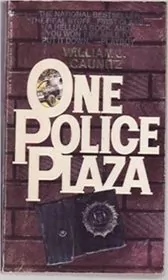
One Police Plaza
by William J Caunitz
1984
When Lt. Dan Malone investigates the death of travel agent Sara Eisinger, a routine homicide opens into a conspiracy reaching far beyond his precinct. Caunitz mixes gritty NYPD detail with high-level intrigue and pressure from every side.
Recommended by
1 person Marc Goodman recommended this book
Marc Goodman
"Really got what policing was and what policing was all about. I thought that was pretty amazing." - Marc Goodman
Marc Goodman's recommendation of this book

Suspects
by William J Caunitz
1987
A shotgun attack in a Brooklyn candy store kills a beloved shopkeeper and Lt. Joe Gallagher, sending Det. Lt. Tony Scanlon into a brutal summer of murders. The deeper he digs, the more he suspects the danger may be coming from inside the NYPD.
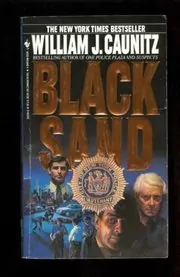
Black Sand
by William J Caunitz
1988
After a massacre at a Greek resort, Major Andreas Vassos follows the trail to New York and teams up with Teddy Lucas of the NYPD. Their hunt for the killers turns into a tense chase involving art smugglers, old secrets, and a priceless relic.
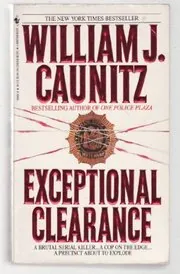
Exceptional Clearance
by William J Caunitz
1991
Lt. John Vinda is pulled from Missing Persons when a string of savage killings begins to look like a pattern. With Christmas closing in on New York, he races to stop a murderer whose revenge is aimed squarely at the police.
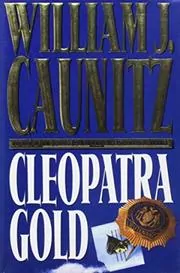
Cleopatra Gold
by William J Caunitz
1993
Undercover cop Alejandro Monahan has spent years inside a powerful drug network, waiting for a chance to avenge his father's death. When a botched operation leaves the NYPD reeling, he and rookie agent Fiona Lee are pushed into a deadly game of infiltration and betrayal.
Pigtown
by William J Caunitz
1995
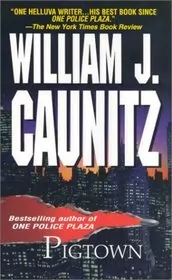
The murder of small-time mobster Beansy Rutolo looks like just another Brooklyn killing, but Lt. Matthew Stuart knows it reaches deeper. Following the case into Pigtown, he uncovers old debts, mafia ties, and corruption running through the NYPD.
Chains of Command
by William J Caunitz
1999
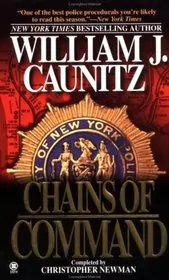
When Officer Johnny Rodriguez is shot in Washington Heights, Lt. Matthew Stuart is sent in to investigate what should have been a simple case. Instead he finds dirty cops, competing drug gangs, and pressure rising all the way up the department.
Where to start with William J Caunitz
For the classic NYPD procedural: One Police Plaza → Suspects → Exceptional Clearance
For bigger conspiracies and undercover work: Black Sand → Cleopatra Gold
For police corruption and department politics: Pigtown → Chains of Command
Standalone William J Caunitz books
Author bio
William J Caunitz was one of those crime writers who did not have to imagine the feel of a precinct house. He was born in Brooklyn in 1933, went to Erasmus Hall High School, and grew up in the same city that would later fill his novels. New York was not just his backdrop. It was his working life.
Before the books, there was the job. Caunitz served in the Marine Corps from 1949 to 1953, worked briefly for an insurance company in New Jersey, and then joined the NYPD in 1955. He started as a patrolman and stayed long enough to rise to lieutenant and later lead a detective squad, learning the rhythms, boredom, danger, and politics of the department from the inside.
He spent about thirty years on the force.
He was also serious about school. Caunitz earned a bachelor's degree from City College and later a master's degree in history from Hofstra University. At one point he thought he might go into teaching, but a conversation with editor Tony Godwin at a 1974 party pushed him in another direction. Instead of bringing police stories into a classroom, he began turning them into fiction.
That changed everything.
His debut, One Police Plaza, took a lot of rewriting before it finally appeared in 1984. The book became a bestseller and set the pattern for much of what followed. Caunitz wrote about tired detectives, battered desks, city politics, and the small routines that make police work feel real. Then he dropped those characters into plots big enough to shake the whole department. One Police Plaza later became a television film, which brought his work to a wider audience.
He kept going with Suspects, which opens with a shocking Brooklyn double murder and follows Det. Lt. Tony Scanlon into a case that keeps widening. David Mamet later used Suspects as the starting point for Homicide. In Exceptional Clearance, Caunitz returned to the pressures of city policing through Lt. John Vinda, who faces a killer bent on revenge against the NYPD. Readers who like his books usually come for the procedural detail, but they stay for the way he shows what the job does to a person's sleep, loyalty, and judgment.
Caunitz did not stay in one lane. Black Sand pairs a Greek police major with an NYPD detective in a hunt that moves from the Grecian coast to New York and into the world of stolen antiquities. Cleopatra Gold shifts into deep-cover drug work, following Alejandro Monahan inside a violent cartel. Even when the plots got bigger, Caunitz's real subject stayed the same: cops under pressure, departments with too many secrets, and the hard choices buried inside official procedure.
Later books like Pigtown and Chains of Command push even harder on corruption, divided loyalties, and old debts that never quite go away. His protagonists are usually stubborn, worn down, and not especially glamorous. That is part of the appeal. They feel like working cops, not action figures. Caunitz also wrote without detailed outlines, preferring to discover the plot as he went.
He died in 1996 from pulmonary fibrosis at sixty-three. Chains of Command was left unfinished and later completed by Christopher Newman, a reminder that Caunitz was still working right to the end. If you read him now, what stands out is the sense that he knew this world at ground level and wanted to show readers how power, fear, and routine really moved through it.







Edited by
Software engineer whose passion for tracking book recommendations from podcasts inspired the creation of MRB.
Lead investor at 3one4 Capital whose startup expertise and love for books helped shape MRB and its growth.
Comments
Did we miss something? Have feedback?
Help us improve this page by sharing your thoughts