
Willa Cather Books in Order
Explore Willa Cather books in order, with short summaries, prairie classics, story collections, and simple guidance on where to start reading.
Last updated:
As an Amazon Associate, we earn from qualifying purchases (at no extra cost to you).
Willa Cather books in publication order
58 books
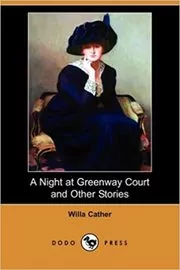
A Night at Greenway Court
by Willa Cather
1896
Set in colonial Virginia, this early story brings a young visitor to Lord Fairfax's estate for a night of talk, politics, and old-world tension. It shows Cather trying out historical fiction and elegant conversation.

The Burglar's Christmas
by Willa Cather
1896
On a hungry Christmas Eve in Chicago, a desperate young man plans a theft and stumbles into an unexpected reckoning. Cather turns a melodramatic setup into a sharp, compassionate story about failure and forgiveness.
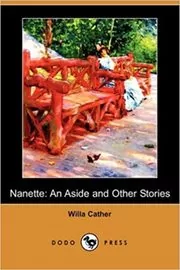
Nanette
by Willa Cather
1897
Nanette serves a famous singer but dreams of a life of her own. This early story mixes music, backstage feeling, and a young woman's choice between duty and love.
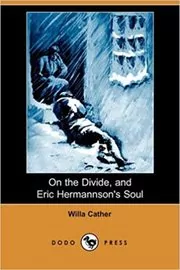
On the Divide, and Eric Hermannson's Soul
by Willa Cather
1900
This paired edition gathers two early prairie stories. One is dark and raw about loneliness on the Nebraska divide, the other follows a Norwegian settler torn between strict religion, music, and desire.
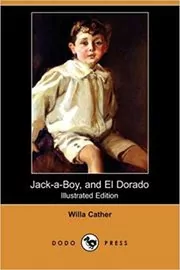
Jack-A-Boy, and El Dorado
by Willa Cather
1901
This volume pairs two very different early stories, one warm and communal, one quietly satirical. Together they show Cather moving between childhood charm and the busted dreams of frontier speculation.
A Death in the Desert
by Willa Cather
1903
Everett Hilgarde travels west to visit a dying woman once bound to his brilliant brother. The story is hushed and haunting, full of memory, jealousy, and the lonely spaces between art and ordinary life.
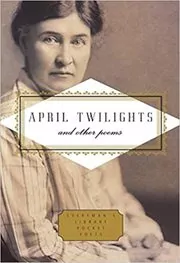
April Twilights
by Willa Cather
1903
Cather's first book is a slim collection of poems about youth, nature, memory, and longing. It offers an early look at the musical language and reflective mood that would shape her fiction.
A Wagner Matinee
by Willa Cather
1904
A Boston concert awakens a flood of feeling in Aunt Georgiana, who left a musical life behind for a hard Nebraska farm. In just a few pages, Cather captures sacrifice, art, and homesickness.
A Death in the Desert, and The Sculptor's Funeral
by Willa Cather
1905
This edition pairs two of Cather's strongest early stories about art, memory, and disappointment. One is intimate and elegiac, the other sharp and unsparing about the towns people leave behind.
The Sculptor's Funeral
by Willa Cather
1905
When a successful sculptor's body returns to his bleak Kansas hometown, old resentments surface fast. Cather uses the funeral to expose small-town cruelty, wasted talent, and the cost of leaving home.
The Troll Garden
by Willa Cather
1905
Cather's first story collection gathers tales of artists, ambition, and the pull between beauty and ordinary life. It includes some of her best-known short fiction, including Paul's Case and A Wagner Matinee.
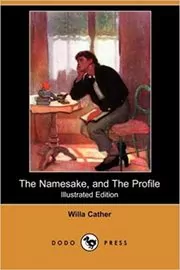
The Namesake, and the Profile
by Willa Cather
1907
These two stories explore art, memory, and the strange weight of family feeling. One turns on inheritance and the Civil War past, the other studies marriage, vanity, and the making of an image.
A Collection of Stories, Reviews, and Essays
by Willa Cather
1908
This omnibus brings together fiction, criticism, and journalism from across Cather's early career. It is a useful window into how she thought on the page before and alongside the major novels.

The Enchanted Bluff
by Willa Cather
1909
A group of boys dream of one day reaching a faraway mesa in New Mexico. The story is small in action but large in feeling, capturing youthful wonder and the lives that drift away from it.

Alexander's Bridge
by Willa Cather
1912
Engineer Bartley Alexander seems to have built a perfect life, until an old love returns and unsettles everything. Cather's first novel is a compact drama about success, desire, and collapse.
The Bohemian Girl
by Willa Cather
1912
When Nils Ericson returns home after years away, old family ties and old stories wait for him. Cather uses a small Nebraska community to explore memory, regret, and the pressure of other people's versions of the past.
O Pioneers!
by Willa Cather
1913
Alexandra Bergson refuses to give up on the Nebraska Divide and slowly turns hardship into prosperity. Her triumph is shadowed by loss, making this a powerful prairie novel about land, family, and the price of endurance.
The Autobiography of S. S. McClure
by Willa Cather
1914
This memoir follows editor S. S. McClure from immigrant childhood to magazine fame and public collapse. It is lively, personal, and full of the restless energy that shaped early American journalism.
The Song of the Lark
by Willa Cather
1915
Thea Kronborg grows up in a Colorado railroad town with a gift for music and a fierce need for more. Her long path toward becoming a singer is also a story about work, ambition, and self-making.
The Diamond Mine
by Willa Cather
1916
Cressida Garnet is a famous opera singer whose art brings glory but not peace. Cather follows her through fame, love, money, and family demands with a cool, tragic eye.
A Gold Slipper
by Willa Cather
1917
A bored businessman notices a celebrated singer at a concert and becomes oddly entangled in her orbit. The story is sly and funny about class, fantasy, and the distance between ordinary life and performance.
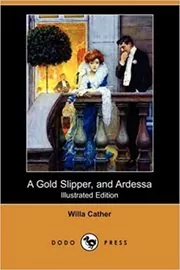
A Gold Slipper, and Ardessa
by Willa Cather
1918
This paired edition brings together two sharp stories about ambition and performance. One turns on a businessman dazzled by celebrity, the other on newsroom hierarchy, ego, and a long overdue comeuppance.
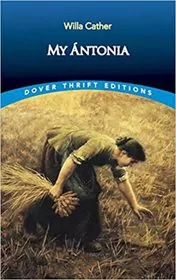
My Ántonia
by Willa Cather
1918
Jim Burden looks back on his Nebraska childhood and on Ántonia Shimerda, the spirited daughter of Bohemian immigrants. Their friendship becomes a moving portrait of prairie life, work, memory, and first love.
Scandal
by Willa Cather
1919
When gossip links an opera singer to a wealthy man she barely knows, illness gives her time to pick apart the rumor. Cather turns drawing-room talk into a clever study of image, boredom, and public fantasy.

The Life of Mary Baker G. Eddy and the History of Christian Science
by Willa Cather
1919
This investigative biography traces Mary Baker Eddy and the rise of Christian Science. It reflects the magazine world Cather knew so well and her skill with long-form nonfiction.
Coming, Aphrodite!
by Willa Cather
1920
In a New York boarding house, a driven young singer and an equally stubborn painter circle each other as they chase art and recognition. It is sensual, funny, and skeptical about what success finally means.

Paul's Case
by Willa Cather
1920
Paul is a Pittsburgh schoolboy who longs for luxury, beauty, and a life far from the dull world around him. Cather makes his brief escape exhilarating and heartbreaking at the same time.
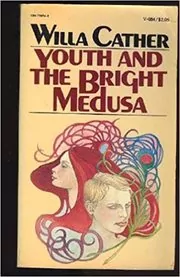
Youth and The Bright Medusa
by Willa Cather
1920
This collection returns to Cather's recurring subjects, artists, fame, sacrifice, and the cost of making a life in art. Several stories revisit and deepen themes first explored in The Troll Garden.
One of Ours
by Willa Cather
1922
Claude Wheeler feels trapped by farm life in Nebraska and by a marriage that never becomes what he hoped. The First World War gives him purpose at last, even as it leads him toward danger.
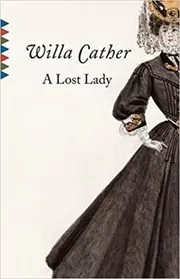
A Lost Lady
by Willa Cather
1923
Through the eyes of Niel Herbert, Marian Forrester becomes both a real woman and a fading symbol of an older West. It is a brief, piercing novel about glamour, disillusion, and change.
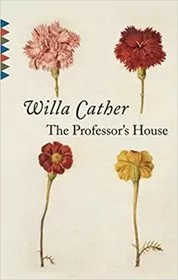
The Professor's House
by Willa Cather
1925
Professor Godfrey St. Peter should be content, but family success and a new house leave him strangely empty. The novel moves between domestic unease and the remembered adventures of his former student Tom Outland.
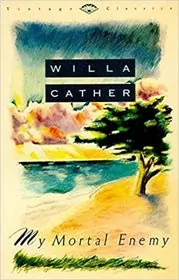
My Mortal Enemy
by Willa Cather
1926
Nellie Birdseye watches the long, painful unraveling of Myra Henshawe and the marriage she once chose for love. It is a lean, intense novel about pride, money, desire, and disappointment.
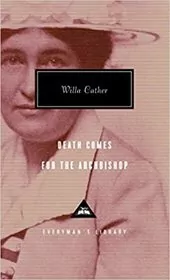
Death Comes for the Archbishop
by Willa Cather
1927
Bishop Jean Marie Latour and Father Vaillant cross the vast New Mexico territory to build a new Catholic diocese. It is part frontier chronicle, part spiritual portrait, and deeply shaped by landscape, memory, and friendship.
Recommended by
1 person John Green recommended this book
John Green
"Maybe the most important novel about American religion." - John Green
John Green's recommendation of this book
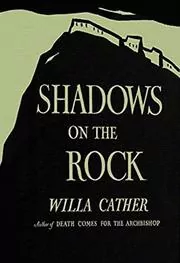
Shadows on the Rock
by Willa Cather
1931
In seventeenth-century Quebec, Cécile Auclair and her apothecary father live through the rituals of a harsh but ordered world. The novel is quiet, atmospheric, and more interested in daily life than in plot.
Neighbour Rosicky
by Willa Cather
1932
Anton Rosicky, a Czech farmer in Nebraska, knows his heart is failing and worries most about his family. In a few pages, Cather makes his ordinary life feel generous, hard-won, and complete.
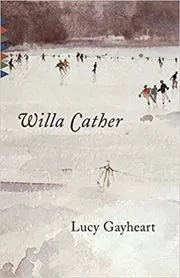
Lucy Gayheart
by Willa Cather
1935
Young Lucy Gayheart leaves small-town Nebraska for Chicago and falls under the spell of a famous singer. What begins as a story of art and awakening turns into a tender novel about chance, grief, and memory.
Not Under Forty
by Willa Cather
1936
This essay collection shows Cather thinking aloud about literature, reading, and the writers who mattered to her. It is brisk, opinionated, and revealing about her standards as both artist and critic.
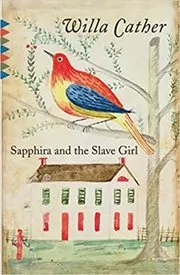
Sapphira and the Slave Girl
by Willa Cather
1940
In 1850s Virginia, Sapphira Colbert's jealousy falls on Nancy, a young enslaved woman in her household. Cather builds a tense story around power, fear, and the moral evasions of slavery.
The Old Beauty and Others
by Willa Cather
1948
Published after Cather's death, this collection gathers three later stories shaped by memory, travel, aging, and vanished worlds. It is small in size but full of the quiet sadness of her late style.
Five Stories
by Willa Cather
1956
This posthumous collection offers five shorter pieces from different stages of Cather's career. It is a good sampler of her range, from prairie lives and artists to memory-haunted domestic dramas.
Willa Cather's Collected Short Fiction, 1892-1912
by Willa Cather
1965
This large collection brings together Cather's early short stories in one place. It lets readers trace how her prairie settings, artist figures, and clear-eyed style took shape over two decades.
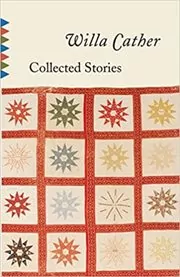
Collected Stories
by Willa Cather
1970
This broad selected volume gathers the major story collections and several later pieces in one book. It is one of the easiest ways to see the full range of Cather's short fiction.
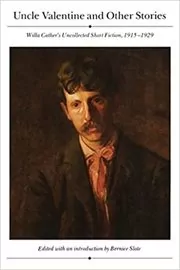
Uncle Valentine and Other Stories
by Willa Cather
1973
This collection gathers uncollected stories from Cather's middle years. It is especially useful for readers who want work beyond the standard anthologies and famous prairie novels.
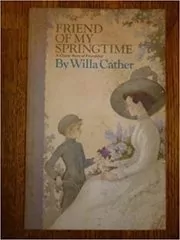
Friend of My Springtime
by Willa Cather
1974
This small volume centers on friendship remembered across time and distance. It has the wistful, clear-eyed feeling Cather could bring to lives that seem quiet from the outside.
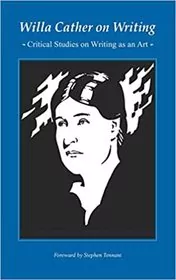
Willa Cather on Writing
by Willa Cather
1988
This nonfiction volume gathers essays, prefaces, and reflections on fiction and craft. It is a concise guide to what Cather valued in art, structure, and the life of the writer.
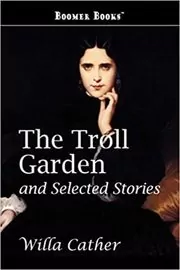
The Troll Garden
by Willa Cather
1990
Cather's first story collection gathers tales of artists, ambition, and the pull between beauty and ordinary life. It includes some of her best-known short fiction, including Paul's Case and A Wagner Matinee.

Stories, Poems, and Other Writings
by Willa Cather
1992
This omnibus gathers fiction, poetry, essays, and other shorter work from across Cather's career. It is a handy one-volume way to sample her many forms and subjects.
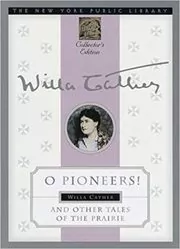
O Pioneers!
by Willa Cather
1999
Alexandra Bergson refuses to give up on the Nebraska Divide and slowly turns hardship into prosperity. Her triumph is shadowed by loss, making this a powerful prairie novel about land, family, and the price of endurance.
Ardessa
by Willa Cather
2004
Ardessa Devine storms into a magazine office certain of her own importance and quickly makes enemies. Cather turns workplace politics into a brisk, funny story about ego, power, and humiliation.
El Dorado
by Willa Cather
2004
In a nearly abandoned Kansas town built on speculation, one stubborn survivor remembers the boom years. The story is both comic and melancholy about frontier dreaming and the wreckage left behind.
A Wagner Matinee and Paul's Case
by Willa Cather
2008
Two of Cather's most anthologized stories sit together here. One is about art remembered after years of hardship, the other about a boy whose hunger for beauty turns desperate.
Peter and Other Stories
by Willa Cather
2008
This volume gathers some of Cather's earliest fiction, including bleak immigrant tales and emotionally intense experiments. It is raw in places, but you can already see many of her lifelong concerns.
The Count of Crow's Nest and Other Stories
by Willa Cather
2008
This collection gathers early stories, including experiments in mood, history, and frontier life. It is best for readers curious about Cather before the mature novels.
The Professor's Commencement, and the Treasure of Far Island
by Willa Cather
2008
These two stories look back at lives shaped by work, memory, and missed chances. One follows a weary schoolteacher on his last day, the other revisits childhood play from an adult distance.
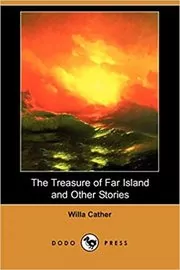
The Treasure of Far Island and Other Stories
by Willa Cather
2008
This collection brings together nostalgic early stories about return, imagination, and the pull of the past. Childhood games, hometown memories, and lost possibilities run through the book.

Paul's Case and Other Stories
by Willa Cather
2012
This collection centers on Paul's Case and other short works about restless young people, artists, and lives that strain against ordinary limits. It is a strong entry point to Cather's shorter fiction.
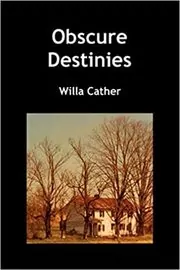
Obscure Destinies
by Willa Cather
2019
This late collection contains three stories about ordinary people whose lives leave deep marks on others. Cather writes with unusual calm and tenderness about friendship, work, community, and death.

Under Far Horizons
by Willa Cather
2022
This selected poetry volume brings together Cather's poems of landscape, memory, and inward feeling. It offers a quieter side of her work, with early lines that echo concerns found in the novels.
Where to start with Willa Cather
If you want the prairie classics: O Pioneers! → The Song of the Lark → My Ántonia
If you want one rich standalone novel: Death Comes for the Archbishop
If you want a tighter later run: A Lost Lady → The Professor's House → My Mortal Enemy
If you want to start with the stories: The Troll Garden → Youth and The Bright Medusa → Obscure Destinies
Willa Cather sub-series and character series
Great Plains Trilogy books in order
Explore this seriesGreat Plains Trilogy books in chronological order
Willa Cather collections, short stories, and related book types
Short Stories/Novellas
Collections
Children's Books
Non-Fiction
Standalone Willa Cather books
Author bio
Willa Cather was born on December 7, 1873, in Back Creek Valley near Winchester, Virginia. When she was nine, her family moved west to Nebraska and eventually settled in Red Cloud. The shift from wooded Virginia to open prairie was a shock, but it gave her the landscapes, immigrant communities, and frontier memories that would feed her fiction for the rest of her life. As a girl she read widely, borrowed books from local friends, and for a while thought she might grow up to be a doctor rather than a novelist.
Nebraska stayed with her.
At the University of Nebraska, Cather first leaned toward science and medicine. Then a teacher sent one of her essays to a newspaper, it was printed, and the experience pulled her hard toward writing. She became a regular newspaper contributor, edited student publications, and moved into English and journalism. She learned early that writing was not only inspiration. It was also deadlines, revision, argument, and learning how to hold a reader's attention.
After college she spent about ten years in Pittsburgh. She worked for magazines and newspapers, reviewed theater, wrote criticism, and taught Latin, algebra, and English in high school. Those were apprenticeship years, but very practical ones. She was learning how people talked, how institutions worked, and how much could be suggested by one room, one gesture, or one hard piece of weather. She was also publishing short stories and poems at a steady clip.
Her first books grew out of that period, the poetry collection April Twilights and the story collection The Troll Garden. In 1906 she moved to New York to join McClure's Magazine, and by 1908 she was its managing editor. The job gave her a close look at serious magazine journalism and big personalities. She helped shape long nonfiction projects, including work connected to the Mary Baker Eddy investigation, and later helped write The Autobiography of S. S. McClure. It was valuable experience, but editorial life also crowded out her own fiction.
When she turned more fully toward novels, the result was an extraordinary run: O Pioneers!, The Song of the Lark, and My Ántonia. These books draw on prairie life, immigrant families, and the rough making of towns and careers in the American West. They are also full of ambitious women, hard choices, artists in the making, and people whose bond with land is both sustaining and costly. Readers often come to Cather for the calm surface of the prose, then stay for how much feeling she can tuck underneath it.
She did not stay in one region or one kind of story. One of Ours won the Pulitzer Prize in 1923. Later books such as A Lost Lady, The Professor's House, Death Comes for the Archbishop, and Lucy Gayheart widened her range to war, the Southwest, Quebec, and city life. Across all of them, she kept returning to memory, exile, work, art, faith, and the question of what people give up in order to become themselves.
Her characters remember a lot, and so did she.
In her later life Cather lived mostly in New York and spent decades with Edith Lewis, her close companion. She also traveled widely and spent time on Grand Manan Island in New Brunswick. She died in New York in 1947. Readers still argue over which book is the one to start with, but that is part of the pleasure. She wrote about farmers, singers, schoolboys, priests, professors, and tired marriages, and she made each of those worlds feel fully inhabited. Even now, her work feels less like a monument than like a voice speaking plainly about land, longing, and the lives people manage to build.








Edited by
Software engineer whose passion for tracking book recommendations from podcasts inspired the creation of MRB.
Lead investor at 3one4 Capital whose startup expertise and love for books helped shape MRB and its growth.
Comments
Did we miss something? Have feedback?
Help us improve this page by sharing your thoughts