
Will Henry Books in Order
Browse Will Henry books in order, with quick summaries, pen-name notes, standout westerns, and simple guidance on where to start his frontier fiction.
Last updated:
As an Amazon Associate, we earn from qualifying purchases (at no extra cost to you).
Will Henry books in publication order
62 books
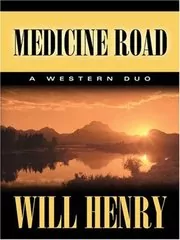
Medicine Road
by Will Henry
1952
Raised by the Miniconjou Sioux, Jesse Callahan rides for Jim Bridger with guns bound for Green River. Mormon power, Arapaho raiders, and an impossible love affair turn the journey into a brutal test of loyalty.

Red Blizzard
by Will Henry
1952
On the frozen northern plains, Sioux families struggle against hunger, war, and the crush of white expansion. Henry tells the conflict from inside the camp, where winter can kill as surely as any enemy.
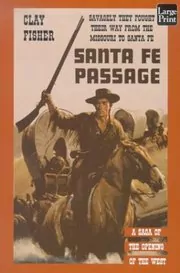
Santa Fe Passage
by Will Henry
1952
Mountain man Kirby Randolph signs on to guard a wagon train bound for Santa Fe, but his real concern is Aurélie St. Clair. The trail brings Comanches, traders, and divided loyalties together in one long, dangerous crossing.
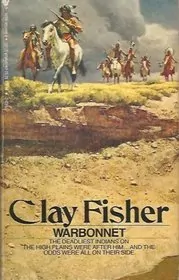
Warbonnet
by Will Henry
1952
A frontier clash between soldiers, scouts, and Plains warriors turns into a bitter struggle over pride and survival. Henry keeps the focus on the people caught inside the violence, not just the battle itself.

The Tall Men
by Will Henry
1954
Brothers Ben and Clint Allison join cattle baron Nathan Stark on a risky drive from Texas to Montana. Greed, ambition, and Oglala resistance make the trail every bit as dangerous as the men riding it.
Yellow Hair
by Will Henry
1954
Set against Custer's campaign and the road to the Washita massacre, this novel follows scout Joshua Kelso and his love for Monaseetah. Personal feeling collides with military violence in a story about loyalty and loss.
Brass Command
by Will Henry
1955
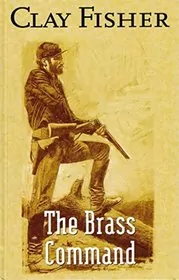
Little Wolf tries to lead his Cheyenne people back toward their homeland while Fort Robinson stands in the way. On the other side, career soldiers and their ambitions turn a political crisis into a human one.
The Big Pasture
by Will Henry
1955
Nathan Stark thinks a Texas cattle drive to Montana will make him rich before thirty. Instead, the long haul across rivers, desert, and hostile country pushes his ambition toward cruelty and sparks a range war.
Who Rides with Wyatt
by Will Henry
1955
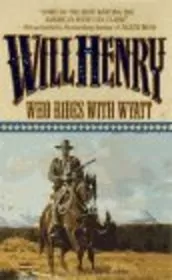
Wyatt Earp takes the badge in Tombstone and tries to drag order out of a town built on gambling, rustling, and gun smoke. Henry follows the road toward the O.K. Corral with a sharp eye for legend and fact.
The Blue Mustang
by Will Henry
1956
A powerful mustang becomes the center of a hard frontier struggle over freedom, possession, and pride. Henry turns a horse story into a western about the people who chase what they can never quite own.
Yellowstone Kelly
by Will Henry
1956
Drawing on the life of scout Luther Yellowstone Kelly, this novel follows a frontiersman moving through the violent edge where army campaigns and Native resistance meet. It is part survival story, part portrait of a legend in the making.
Seven Men at Mimbres Springs
by Will Henry
1958
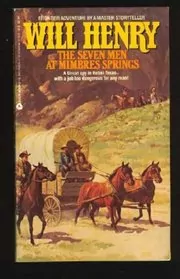
Confederate spy L. L. Henderson leads a rough crew west in hopes of cutting California and its gold away from the Union. Apache country, divided loyalties, and a deadly race to Mimbres Springs close in fast.
From Where the Sun Now Stands
by Will Henry
1960
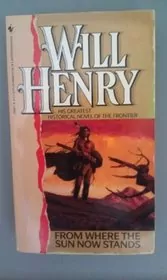
Told through the eyes of a young Nez Perce warrior, this novel follows Chief Joseph's people through the 1877 flight toward freedom. Treaty betrayal, exhaustion, and courage shape every mile of the journey.
Journey to Shiloh
by Will Henry
1960
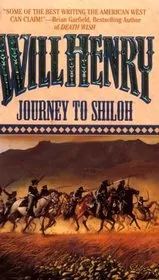
Seven young Texans ride east dreaming of glory with the Confederacy, only to meet hunger, death, and disillusion on the road to Shiloh. Henry turns a boyish adventure into a hard Civil War reckoning.

Nino
by Will Henry
1961
This retelling of the Apache Kid story follows Nino from gifted Apache scout to hunted fugitive. What begins as service to the army turns into a bitter fight against injustice, betrayal, and the law.
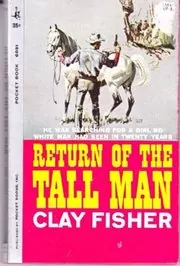
Return of the Tall Man
by Will Henry
1961
A seasoned frontier man comes back to a country that has moved on without him. Old grudges, unfinished loyalties, and the pull of the open range make his return anything but peaceful.
The Gates of the Mountains
by Will Henry
1963
Seen through the eyes of young François Rivet, the Lewis and Clark expedition becomes a perilous journey into the unknown. Henry mixes river travel, diplomacy, and raw endurance into a vivid frontier epic.
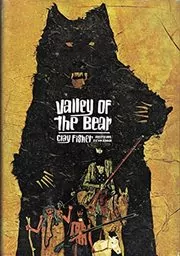
Valley of the Bear
by Will Henry
1964
Young Mouse enters a hidden mountain valley haunted by a huge grizzly that has killed before. It is a wilderness adventure about fear, patience, and learning how to survive in a world that does not care.
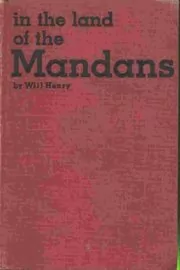
In the Land of the Mandans
by Will Henry
1965
Little Raven must grow up fast when greed, whiskey, and deceit threaten his people. Set among the Mandans on the upper Missouri, the story mixes boyhood adventure with a sharp look at exploitation.
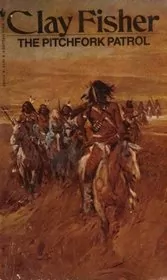
The Pitchfork Patrol
by Will Henry
1965
When settlers band together to protect their land, fear turns an improvised patrol into something harsher and more dangerous. Henry explores how quickly frontier self-defense can slide into vengeance.
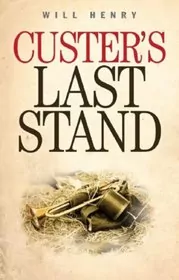
Custer's Last Stand
by Will Henry
1966
Henry retells the road to Little Bighorn with attention to both the army and the Native nations opposing it. The result is a lean, readable account of ambition, miscalculation, and disaster.
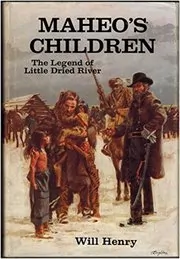
Maheo's children / The Squaw Killers
by Will Henry
1968
Centered on Little Dried River and the world shattered by Sand Creek, this story follows Cheyenne lives under the shadow of massacre and revenge. Henry keeps the focus on loss, endurance, and the long reach of frontier war.

Sons Of The Western Frontier
by Will Henry
1968
This book moves through the lives of frontier figures like Kit Carson and Jim Bridger, showing how exploration and legend grew side by side. It is a brisk historical adventure with an eye on how the West was really made.
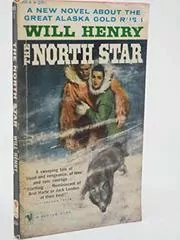
The North Star
by Will Henry
1969
In Alaska during the gold rush, Murrah Starr fights to protect a hidden mine and the future it represents. Blizzards, greed, and violence close in on a land where riches can destroy as easily as they save.

Outlaws and Legends
by Will Henry
1970
This companion volume looks at the famous and half-fabled figures who turned frontier violence into story. Henry is interested in the gap between what the West remembers and what actually happened.
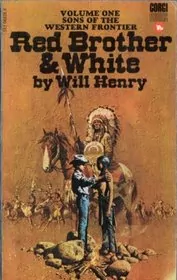
Red Brother and White
by Will Henry
1970
This volume gathers frontier stories told from both Native and white perspectives. Instead of one continuous plot, it offers sharp, compact pieces about conflict, survival, and the uneasy meeting of cultures.
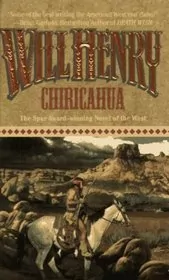
Chiricahua
by Will Henry
1972
As Chiricahua Apaches under Chatto and Geronimo strike back, a drifter and an army scout are drawn into a brutal fight over a stolen child. Stagecoach gold, frontier panic, and divided loyalties keep the pressure high.

Outcasts of Canyon Creek
by Will Henry
1972
Drifters, misfits, and hard cases converge on Canyon Creek, where nobody arrives with a clean past. Henry builds the tension around what happens when people already pushed outside the law run out of room.
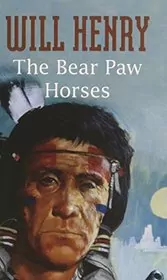
The Bear Paw Horses
by Will Henry
1973
After Crazy Horse's death, Con Jenkins is pulled into a dangerous mission involving stolen Oglala horses and the fleeing Nez Perce. It is a frontier chase shaped by debt, freedom, and broken promises.

Apache Ransom
by Will Henry
1974
Ben Allison only means to buy a horse in El Paso, but a missed stage leaves a boy exposed to an Apache attack. When the child is carried off, Ben rides into a rescue he never meant to own.
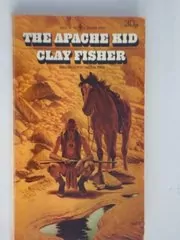
The Apache Kid
by Will Henry
1974
Will Henry returns to the life of the Apache Kid, tracing the path from skilled scout to one of the territory's most hunted men. The novel leans into the injustice and confusion that made a legend out of a real man.
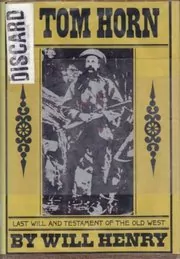
I, Tom Horn
by Will Henry
1975
Told as a fictional autobiography, this novel lets Tom Horn argue his own case. Scout, Pinkerton, hired killer, or scapegoat, he is shown as a dangerous man moving through the last rough years of the frontier.

Nine Lives West
by Will Henry
1978
A short story collection, Nine Lives West offers multiple angles on frontier life rather than one sweeping plot. Henry moves from violence to irony to quiet loss, showing how many different lives the West could hold.
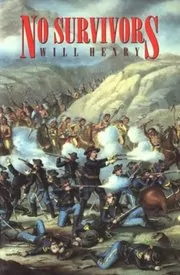
No Survivors
by Will Henry
1978
John Clayton, once a Civil War officer and later an adopted Oglala, rides toward Little Bighorn with divided loyalties. Henry imagines one more survivor of Custer's last stand, then asks what survival would really cost.

Summer of the Gun
by Will Henry
1978
A final season of violence catches up with men who have lived too long by the gun. Henry keeps the story lean and human, showing how old grudges and quick choices can ruin an entire frontier summer.
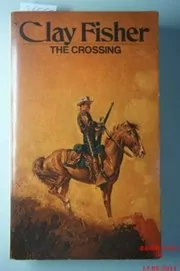
Crossing
by Will Henry
1980
Lieutenant Jud Reeves rides into the Confederate push for the Southwest and finds a war larger than the one he expected. Union troops, Apache resistance, and divided loyalties turn the campaign into a brutal education.
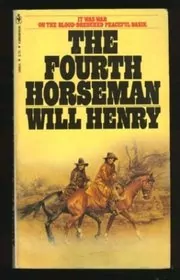
Fourth Horseman
by Will Henry
1981
Violence sweeps across the frontier like a plague in this hard-edged western. Henry focuses on the people trying to outlive fear, revenge, and the sense that death is already riding beside them.
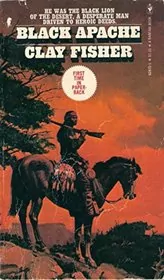
Black Apache
by Will Henry
1982
This western centers on identity, survival, and divided loyalties in Apache country. Henry uses the frontier setting to show how quickly race, legend, and fear can turn one man into a marked target.
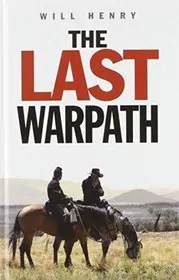
Last Warpath
by Will Henry
1982
Henry follows the final desperate fighting of the Cheyenne as freedom slips out of reach. It is a grim western about endurance, exile, and what remains when a people are pushed toward one last stand.
Seven Legends West
by Will Henry
1983
A collection of western tales and portraits, this volume moves through the lives of scouts, outlaws, fighters, and frontier originals. It is less one long novel than a set of vivid looks at the West's larger-than-life figures.

Will Henry's West
by Will Henry
1984
This collection gathers stories and pieces that show the range of Henry's frontier interests, from scouts and soldiers to outlaws and Native lives. It works well as a sampler of the kind of West he liked to write.

The Day Fort Larking Fell
by Will Henry
1985
A remote outpost faces collapse as pressure mounts from every side. Henry turns the fall of a frontier fort into a tense story about command mistakes, courage under fire, and the people left to pay for both.
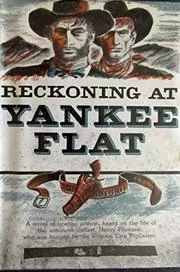
Reckoning At Yankee Flat
by Will Henry
1989
Old debts come due in a frontier town where memory is long and mercy is short. This is a compact showdown western built around guilt, reputation, and the moment running stops working.
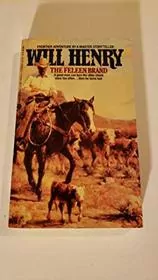
The Feleen Brand
by Will Henry
1989
A cattle brand becomes the spark for a wider struggle over land, loyalty, and power. Henry brings ranch politics and personal grudges together until the range itself feels ready to explode.
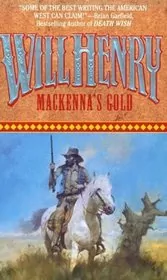
Mackenna's Gold
by Will Henry
1994
Sheriff Mackenna inherits the secret of a lost canyon of gold from a dying Apache. Soon he is running from, and ahead of, a ruthless pack of treasure hunters across brutal desert country.
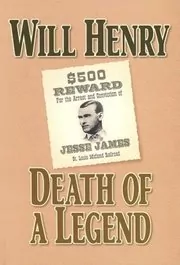
Death Of A Legend / The Raiders
by Will Henry
1996
Henry strips the shine off frontier fame and looks hard at outlaw violence. These companion tales track men whose reputations grow even as the lives behind them become meaner, sadder, and more dangerous.
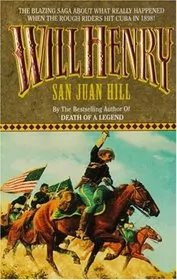
San Juan Hill
by Will Henry
1996
Will Henry leaves the older frontier for the Spanish-American War, following soldiers into the chaos and pressure of San Juan Hill. It is a war story as interested in fear and exhaustion as in heroics.
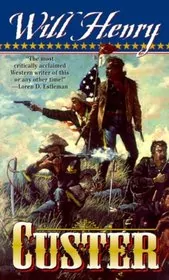
Custer
by Will Henry
1999
This volume brings together Henry's two Custer novels, following the young officer from the Washita campaign to Little Bighorn. It gives the famous legend more history, more Native perspective, and less easy hero worship.
The Hunting of Tom Horn
by Will Henry
1999
Once Tom Horn becomes the prey, the frontier myth changes shape. Henry follows the manhunt, the politics, and the uncertainty around a killer whose enemies wanted him finished as much as they wanted him judged.

Tumbleweeds
by Will Henry
1999
A drifting, episodic western about people who live on the move and never stay safe for long. Henry treats wandering as both freedom and burden, with danger always waiting at the next stop.

Ghost Wolf of Thunder Mountain
by Will Henry
2000
Legend and frontier danger meet in this story of a land haunted by memory and fear. Henry leans into the pull of the mountains, where rumor, survival, and the past are never fully separate.
Legend of Sotoju Mountain
by Will Henry
2002
This trio gathers some of Henry's strongest American Indian stories, including one about Nino, the Apache Kid. Each piece mixes danger and legend with a close interest in how people hold onto love, place, and dignity.
The Legend of the Mountain
by Will Henry
2002
A mountain story, frontier legend, and survival tale meet here in classic Will Henry fashion. The pull of hidden country brings danger, old beliefs, and hard choices together on the trail.
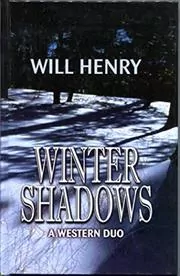
Winter Shadows
by Will Henry
2003
This western duo pairs cold-weather danger with the quieter ache of old conflicts returning. Henry uses winter not just as scenery, but as pressure that strips people down to fear, memory, and instinct.
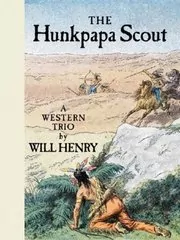
The Hunkpapa Scout
by Will Henry
2004
Set in Sioux country, this novel follows a scout trapped between military demands and Native loyalties. Henry uses that divided role to explore trust, betrayal, and the impossible choices that frontier war forces on one man.
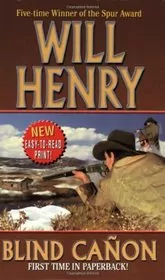
Blind Canon
by Will Henry
2005
In a remote landscape cut off from help, men chase hidden wealth and settle old scores with guns. Henry keeps the action tight while showing how greed can blind everyone involved.

The Scout
by Will Henry
2005
A frontier scout has to read land, people, and danger faster than anyone around him. Henry builds the novel around that lonely job, where one wrong choice can doom a whole column.
To Follow a Flag / Pillars of the Sky
by Will Henry
2006
In the Bitterroots, Sergeant Emmett Bell rides into a widening frontier war after a wagon train is attacked and Calla Rainsford is taken. Rescue, duty, and escalating bloodshed drive this fast-moving historical western.
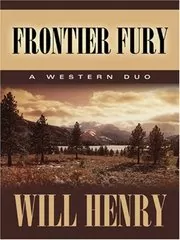
Frontier Fury
by Will Henry
2007
Raids, reprisals, and fear take over as the frontier edges toward open war. Henry keeps the action moving, but the real interest is in how ordinary people are changed once violence becomes the local law.
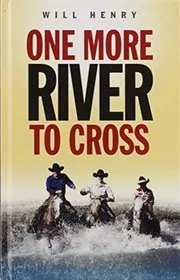
One More River to Cross
by Will Henry
2009
After the Civil War, defeated Confederates look south and dream of starting over in Mexico. The journey offers hope, but the land, the politics, and the past make every mile harder than promised.

Alias Butch Cassidy
by Will Henry
2010
Butch Cassidy is presented as more than a smiling legend or a wanted poster. Henry is interested in the split between the outlaw's public charm and the harder, riskier life that kept the chase alive.
The Texas Rangers
by Will Henry
2020
This western follows the Rangers where frontier policing and frontier politics overlap. Rustlers, raiders, and rough country matter, but so do the personal codes of the men sent to impose order.
Where to start with Will Henry
If you want the big historical novels: No Survivors → From Where the Sun Now Stands → The Gates of the Mountains
If you want trail and frontier action: Santa Fe Passage → The Tall Men → The Big Pasture
If you want famous Western figures: Who Rides with Wyatt → Yellowstone Kelly → I, Tom Horn
If you want Native-centered stories: Yellow Hair → Chiricahua → The Bear Paw Horses
Will Henry sub-series and character series
Sons Of The Western Frontier books in order
Explore this seriesSons Of The Western Frontier books in chronological order
Will Henry collections, short stories, and related book types
Short Story Collections
Standalone Will Henry books
Author bio
Will Henry was the pen name Henry Wilson Allen used for much of his western fiction, and it fits the kind of writer he was: plainspoken, restless, and deeply interested in the American West as a lived place, not just a movie backdrop. Born in Kansas City, Missouri, in 1912, he grew up in Missouri and carried that pull toward frontier history for the rest of his life.
He once said he felt born into the wrong century.
Allen started early. As a boy he was already sending stories to magazines, and after a year at the University of Missouri he left school and headed west to see more of the country for himself. He worked a string of jobs that later fed his fiction, including sheepherder, horse wrangler, store clerk on Indian reservations, and gold miner. That firsthand mix of hard travel, rough labor, and close observation gave his books their dust, muscle, and weather.
Hollywood came next. In 1937 he began working as a contract writer for MGM's cartoon studio, where he wrote under Henry Allen and Heck Allen and worked around talents such as Tex Avery. When he started publishing western novels, he used the names Will Henry and Clay Fisher, partly because he worried the studio would not welcome his moonlighting.
The pseudonyms stayed, but the voice was his.
His first western novel, No Survivors, appeared in 1950 and set the pattern for much of what followed. Allen liked real events, complicated loyalties, and characters caught between cultures. Readers who come to From Where the Sun Now Stands find a powerful version of the Nez Perce flight of 1877. The Gates of the Mountains turns the Lewis and Clark expedition into a dangerous journey seen from close up. Mackenna's Gold brings treasure hunting and desert obsession together. And I, Tom Horn gives one of the West's most contested figures a tough, memorable voice.
What people tend to like about Will Henry is that he rarely treats the West as simple. Scouts, soldiers, outlaws, and tribal leaders all get room on the page. His books often return to Apache country, the northern plains, cattle trails, and borderlands where no one stays innocent for long. He wrote fast-moving stories, but he also kept circling back to land, survival, betrayal, and the long damage done when legend overwrites memory.
That mix brought him a long career. He published more than fifty western novels, saw a number of his books adapted for film, and won the Spur Award five times. Titles such as The Tall Men, Santa Fe Passage, Yellowstone Kelly, Journey to Shiloh, and Mackenna's Gold all made the jump to the screen, which makes sense once you read him. His scenes are clean, visual, and always moving.
Allen wrote many of his novels from his home in Encino, California. He was married to his wife Dorothy for more than fifty years, and he kept writing westerns for decades before his death in Van Nuys in 1991. The books are still the best way to meet him: curious, historically grounded, and tougher than the average paperback western.









Edited by
Software engineer whose passion for tracking book recommendations from podcasts inspired the creation of MRB.
Lead investor at 3one4 Capital whose startup expertise and love for books helped shape MRB and its growth.
Comments
Did we miss something? Have feedback?
Help us improve this page by sharing your thoughts