
Whitley Strieber Books in Order
Browse Whitley Strieber books in order, with quick summaries, series guides, and simple tips on where to start, from horror novels to Communion.
Last updated:
As an Amazon Associate, we earn from qualifying purchases (at no extra cost to you).
Whitley Strieber books in publication order
49 books

The Wolfen
by Whitley Strieber
1978
A string of gruesome deaths pulls New York detectives toward a predator that is older, smarter, and closer than anyone suspects. The city itself becomes part of the terror.
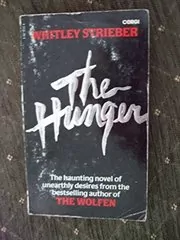
The Hunger
by Whitley Strieber
1980
Miriam Blaylock is beautiful, wealthy, and immortal, but love always turns deadly in her orbit. Strieber reworks vampire fiction into a colder, sadder story about desire, decay, and loneliness.

Black Magic
by Whitley Strieber
1982
An occult thriller where modern danger collides with very old evil. Strieber mixes suspense, ritual, and conspiracy into a story that keeps one foot in the real world and the other in nightmare.
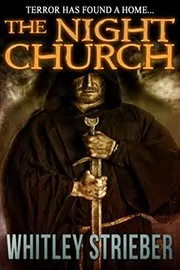
The Night Church
by Whitley Strieber
1983
A young man is drawn toward a hidden church and a buried evil that reaches back into history. Strieber builds the horror through secret rites, inherited trauma, and the sense that some doors should stay shut.

The Secret School
by Whitley Strieber
1984
This memoir turns back to childhood, as Strieber revisits buried memories and the possibility that the visitors were present long before Communion. It is part coming-of-age story, part unsettling inquiry into early contact.

Warday
by Whitley Strieber
1984
After a limited nuclear exchange between the United States and the Soviet Union, the authors travel through the ruined country to see what is left. The book mixes documentary style with intimate, unsettling world-building.

Wolf of Shadows
by Whitley Strieber
1985
In a shattered future landscape, a wolf tries to survive the damage human beings have left behind. Strieber tells the story close to the animal's eye, which makes the world feel both brutal and alive.
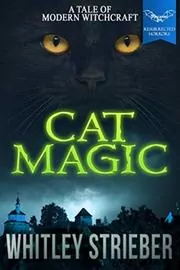
Cat Magic
by Whitley Strieber
1986
Witchcraft, cats, and altered states meet in a dark fantasy that slides between the ordinary and the occult. The mood is stranger and more mystical than Strieber's straight horror novels.

Nature's End
by Whitley Strieber
1986
Co-written with James Kunetka, this bleak near-future novel imagines ecological collapse, overpopulation, and social unraveling. It reads like a warning about what happens when the bill for modern life comes due.

Pain
by Whitley Strieber
1986
This dark, unsettling piece follows a prostitute named Janet through a world shaped by damage, desire, and threat. It is short, raw, and less interested in comfort than in nerves.
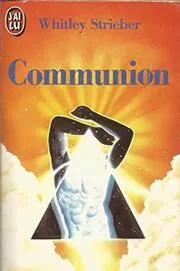
Communion
by Whitley Strieber
1987
Strieber's landmark account begins with frightening experiences at a cabin in upstate New York in 1985. He recounts what he believes happened and follows the evidence as far as it will go.
Transformation
by Whitley Strieber
1988
In the immediate aftermath of Communion, Strieber describes continued encounters and the personal upheaval they caused. It is a raw, searching account of terror, memory, and a mind trying to live with the unknown.
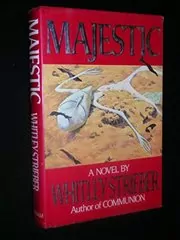
Majestic
by Whitley Strieber
1989
A writer follows a seemingly impossible story back to Roswell and the machinery of postwar secrecy. Strieber turns UFO lore into a tense novel about power, belief, and what governments hide.
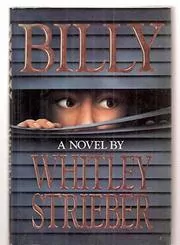
Billy
by Whitley Strieber
1990
A 12-year-old Iowa boy is abducted by a deeply disturbed predator and hauled across the country. The book is harsh, claustrophobic, and driven by Billy's desperate effort to survive.

The Wild
by Whitley Strieber
1991
Bob Duke is a struggling family man in New York when he begins to change, physically and mentally, into a wolf. Strieber treats the metamorphosis as horror, family crisis, and a fight to stay human.

Unholy Fire
by Whitley Strieber
1992
Trouble in a New York parish turns into a demonic possession story with sex, guilt, and spiritual corruption at its center. It is a fast, dark blend of religious horror and urban suspense.

The Forbidden Zone
by Whitley Strieber
1993
An ancient mound and the land around it become the center of a creeping, Lovecraftian horror. What starts as local conflict opens onto something far older, stranger, and less human than anyone expected.

Breakthrough
by Whitley Strieber
1995
Years after Communion, Strieber pushes deeper into the contact experience and the strange events around his upstate New York cabin. The book moves from fear toward harder questions about consciousness, reality, and why these encounters happen.

The Communion Letters
by Whitley Strieber
1997
Gathering responses from readers of Communion, this book shows how many people believed they had lived through similar events. The result is a strange, often moving chorus of witness testimony.
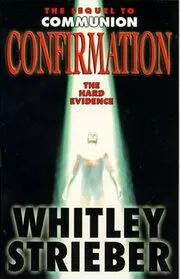
Confirmation
by Whitley Strieber
1998
Part casebook and part argument, this nonfiction sequel asks what would count as real proof of alien contact. Strieber surveys witness accounts, physical traces, and the stubborn gaps that keep the mystery alive.

Nightman
by Whitley Strieber
1999
A dark suspense novel in which fear, obsession, and the menace of the night start to swallow ordinary life. Strieber keeps the setup grounded long enough for the nightmare to feel uncomfortably close.

The Coming Global Superstorm
by Whitley Strieber
1999
Written with Art Bell, this book argues that abrupt climate change could trigger catastrophic weather and social breakdown. It helped bring the phrase superstorm into wider use.
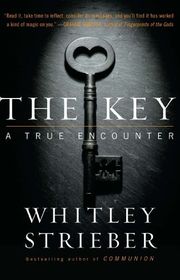
The Key
by Whitley Strieber
2001
Strieber recounts an unnerving meeting with a stranger who seems to know far too much about humanity's past and future. Their conversation ranges across spirituality, catastrophe, and the choices that shape civilization.

The Last Vampire
by Whitley Strieber
2001
Miriam Blaylock comes back in a sequel that tests both her hunger and her grip on immortality. The book widens Strieber's vampire mythology and turns survival into a brutal game of pursuit.
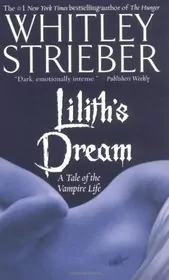
Lilith's Dream
by Whitley Strieber
2002
Miriam Blaylock returns in a sequel that pushes the Hunger saga deeper into desire, violence, and the burden of immortality. Old appetites and old enemies make her long life feel newly fragile.
The path
by Whitley Strieber
2002
This short nonfiction work lays out Strieber's personal approach to meditation, attention, and inner work. It is less a doctrine than a practical invitation to try the discipline for yourself.

The Day After Tomorrow
by Whitley Strieber
2004
As climate catastrophe unleashes giant storms and a new ice age, a father fights to reach his stranded son in a frozen New York. The novel expands the disaster-movie premise into a tense survival story.

The Grays
by Whitley Strieber
2006
In a Kentucky town, a child, a government captive, and a buried alien secret become part of one dangerous chain of events. The novel plays like a conspiracy thriller with a deeply unsettling extraterrestrial core.

2012
by Whitley Strieber
2007
Strieber uses the looming 2012 date as the frame for a supernatural and science-fiction battle over the human future. The novel mixes end-times fear with interdimensional menace and spiritual stakes.

Critical Mass
by Whitley Strieber
2009
After a nuclear terrorist strike, the country lurches toward panic, retaliation, and more devastation. Strieber turns a worst-case national security nightmare into a fast, tense thriller.

The Omega Point
by Whitley Strieber
2010
As 2012 draws near, Strieber pushes his apocalyptic story into even bigger territory, blending prophecy, cosmic conflict, and survival. The stakes are nothing less than the fate of souls and the future of humanity.
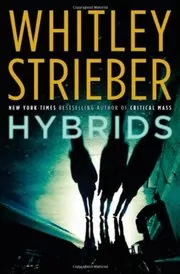
Hybrids
by Whitley Strieber
2011
In this alien thriller, Strieber imagines a world where human and alien DNA have already been combined in secret. Conspiracy, divided loyalties, and questions about what counts as human drive the story.

Melody Burning
by Whitley Strieber
2011
A feral boy has survived unnoticed inside a city high-rise for years, until he becomes fixated on a young pop star named Melody. Their connection turns into a strange, tender, and dangerous story about belonging.
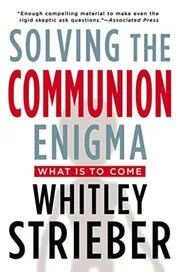
Solving the Communion Enigma
by Whitley Strieber
2011
Strieber returns to the experiences that began with Communion and tries to fit them into one larger pattern. He links close encounters, altered states, and other anomalies in a bid to understand what the visitors may really be.

The Christmas Spirits
by Whitley Strieber
2011
This modern retelling of A Christmas Carol follows a hard, money-minded man who learns that Christmas still has teeth. Familiar ghosts return, but the setting and voice feel contemporary.

Solar Flares
by Whitley Strieber
2012
Strieber looks at the real danger a major solar storm could pose to the electric grid and daily life. It is a short, urgent warning about how fragile modern systems really are.

The Secret of Orenda
by Whitley Strieber
2012
Set against the deep woods and old stories of the Adirondacks, this novel imagines something hidden surviving beyond the edges of modern life. The result is eerie, lonely, and rooted in place.

Alien Hunter / Hunters
by Whitley Strieber
2013
When Flynn Carroll's wife vanishes, the case leads him to a secret unit tracking alien abductors who hide their crimes behind ordinary disappearances. It is a fast-moving thriller with police work, paranoia, and high-concept dread.

Miraculous Journey
by Whitley Strieber
2014
Whitley and Anne Strieber recount Anne's stroke, brain tumor, and the long emotional road through illness. It is an intimate book about fear, marriage, endurance, and the meaning people make under pressure.

Underworld
by Whitley Strieber
2014
Flynn Carroll is drawn into another covert pursuit of alien criminals, this time with the threat moving even closer to home. Missing people, hidden operations, and nonhuman enemies keep the pressure high.

The Journey to Dog Heaven
by Whitley Strieber
2015
A gentle spiritual tale about loyalty, loss, and one dog's passage into the next world. It is brief, heartfelt, and aimed at anyone who has loved and lost an animal.
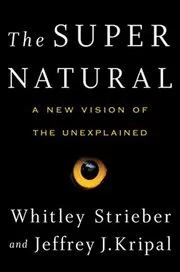
The Super Natural
by Whitley Strieber
2016
In this wide-ranging dialogue with Jeffrey J. Kripal, Strieber explores close encounters, mysticism, folklore, and psychic experience. The book argues that the unexplained belongs inside nature, even if we do not yet know how to study it.

The White House
by Whitley Strieber
2016
A killing inside the White House pulls Flynn Carroll into his most dangerous case yet. The hunt for the truth leads straight toward power, secrecy, and enemies who are not entirely human.
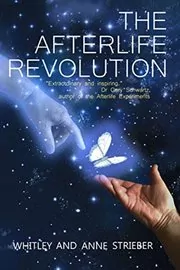
The Afterlife Revolution
by Whitley Strieber
2017
After Anne Strieber's death, Whitley explores what he believes are ongoing communications with her. It is part love story, part meditation on survival after death, grief, and consciousness.
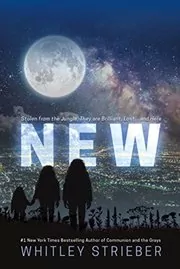
New
by Whitley Strieber
2018
What if an older, smaller human cousin never vanished? Strieber builds a tense novel around the possibility that a hidden branch of humanity still survives, and does not want to be found.
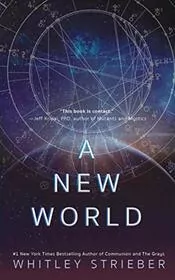
A New World
by Whitley Strieber
2019
Drawing on experiences he says began again in 2015, Strieber rethinks the visitor mystery and what it may mean for humanity. The book blends fresh encounters with a wider, more spiritual view of contact.

Them
by Whitley Strieber
2023
Strieber studies close encounter testimony from civilians and military witnesses to ask what the visitors may want. It is less about spectacle than about motive, pattern, and the human cost of contact.

The Fourth Mind
by Whitley Strieber
2025
Strieber turns from memoir to analysis, asking what the visitors might be like biologically and mentally. It is a speculative study of anatomy, consciousness, and the stranger edges of contact.

Transformation 2026
by Whitley Strieber
2026
Strieber revisits the experiences that began in Communion and asks what they mean in a new era of public UFO attention. The book links old encounters with new questions about consciousness, contact, and change.
Where to start with Whitley Strieber
If you want the early horror novels: The Wolfen → The Hunger → The Night Church
If you want the visitor books first: Communion → Transformation → Breakthrough → A New World
If you prefer alien conspiracy thrillers: Alien Hunter / Hunters → Underworld → The White House
If you like end-of-the-world fiction: Warday → Nature's End → The Day After Tomorrow
Whitley Strieber sub-series and character series
Hunger (Whitley Strieber) books in order
Explore this seriesHunger (Whitley Strieber) books in chronological order
Whitley Strieber collections, short stories, and related book types
Short Story Collections
Non-Fiction
Short Stories/Novellas
Standalone Whitley Strieber books
Author bio
Whitley Strieber was born in San Antonio, Texas, in 1945 and grew up there in a Catholic family. That early mix of ordinary neighborhood life, religious ritual, and private imagination stayed with him. Long before he became known for horror or close encounters, he was the kind of kid who paid attention to atmosphere, fear, and the strange way memory can bend around childhood.
He studied at the University of Texas at Austin and the London School of Film Technique, then headed into work that looked much more conventional. In New York he spent years in advertising, rising to vice president before leaving the business in the late 1970s to write full time. It was a big jump, but it gave him the freedom to turn his darker ideas into novels.
It worked.
His first big breakthroughs were The Wolfen and The Hunger, two books that took old monster material and dropped it into the modern world. Readers came to them for scares, but stayed for the uneasy realism, city grit, and sense that the predator might already be living beside us. He followed them with books like The Night Church, Billy, and The Wild, all very different on the surface, but linked by the same interest in hidden danger and people pushed past the point where ordinary explanations stop helping.
Strieber also had a strong apocalyptic streak. In Warday, written with James Kunetka, he imagined the United States after a limited nuclear exchange. In Nature's End and later The Day After Tomorrow, he turned toward environmental disaster. Even when the premise was large, his fiction usually stayed close to what collapse feels like on the ground, how families, cities, and daily routines crack when the system stops holding.
Then came Communion in 1987, the book that changed his public identity. In it, Strieber described experiences he said began after a 1985 encounter at his cabin in upstate New York. Whether readers approach Communion, Transformation, Breakthrough, and The Secret School as testimony, memoir, speculation, or some mix of all three, these books are where his work became impossible to sort into neat shelves. Fear is there. Curiosity is there too. So is the stubborn refusal to look away.
He never really went back to being only one kind of writer.
That is part of why his bibliography feels so unusual. One shelf holds horror novels, another holds disaster fiction, another alien thrillers like Alien Hunter / Hunters, and another books that ask blunt questions about consciousness, death, and the afterlife. His wife, Anne Strieber, was central to that later work as collaborator, editor, and partner, on projects including The Communion Letters, Miraculous Journey, and The Afterlife Revolution. Anne died in 2015, but Strieber continued writing and speaking, especially through his long-running Dreamland program and the world around Unknown Country.
What ties the whole career together is simple enough. Strieber likes the place where everyday life breaks open. He writes about what happens when the world stops behaving, whether that means wolves in the city, climate chaos, vampires, or visitors at the edge of the bed. Readers who stay with him tend to like that mix of dread, candor, and restless questioning.





Edited by
Software engineer whose passion for tracking book recommendations from podcasts inspired the creation of MRB.
Lead investor at 3one4 Capital whose startup expertise and love for books helped shape MRB and its growth.
Comments
Did we miss something? Have feedback?
Help us improve this page by sharing your thoughts