
Hunger (Whitley Strieber) Books in Order
Part ofWhitley Strieber Books in OrderExplore the Hunger series by Whitley Strieber in order, with short summaries, vampire-series background, and tips on where to begin.
Last updated:
As an Amazon Associate, we earn from qualifying purchases (at no extra cost to you).
Hunger (Whitley Strieber) books in publication order
3 books
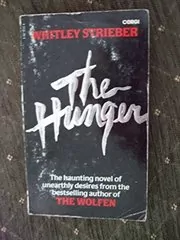
The Hunger
by Whitley Strieber
1980
Miriam Blaylock is beautiful, wealthy, and immortal, but love always turns deadly in her orbit. Strieber reworks vampire fiction into a colder, sadder story about desire, decay, and loneliness.
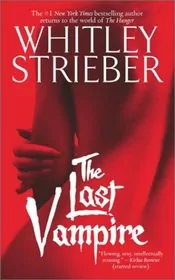
The Last Vampire
by Whitley Strieber
2001
Miriam Blaylock comes back in a sequel that tests both her hunger and her grip on immortality. The book widens Strieber's vampire mythology and turns survival into a brutal game of pursuit.
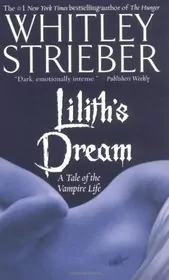
Lilith's Dream
by Whitley Strieber
2002
Miriam Blaylock returns in a sequel that pushes the Hunger saga deeper into desire, violence, and the burden of immortality. Old appetites and old enemies make her long life feel newly fragile.
Hunger (Whitley Strieber) books in chronological order
Series background & context
The Hunger series is Strieber's vampire fiction, but it does not feel like a cozy gothic throwback or a glossy paranormal romance. At the center is Miriam Blaylock, beautiful, wealthy, ancient, and trapped inside a kind of immortality that always turns cruel. She can stay young. The people she loves cannot. That gives the books their basic ache right from the start.
In The Hunger, Miriam moves through the modern world with power, style, and appetite, but the glamour never comes free. Her relationships are marked by longing and by a terrible imbalance. She wants companionship, desire, and continuity. What she repeatedly gets is decay, dependency, and loss. Strieber treats vampirism less like a simple monster gimmick and more like a body-level curse, one tied to time, beauty, and the fear of being left alone forever.
For Miriam, immortality is not freedom, it is repetition.
The later books, The Last Vampire and Lilith's Dream, reopen her story after a long gap and push it into rougher, more dangerous territory. New hunters, new rivalries, and the possibility that even Miriam can lose control give the sequels a harder edge. The mythology grows, but the emotional center stays much the same. She is still trying to outrun loneliness, guilt, and the consequences of needing other people in a way that always harms them.
The settings help shape the mood. These are city books, private-room books, night books. Wealth, elegance, and sensuality are always close by, but they sit next to bodily ruin and emotional exhaustion. That contrast is a big part of the appeal. Strieber makes the vampire life look seductive just long enough for the cost to come into focus. When the horror lands, it is often less about blood than about time, dependency, and what it means to outlast everyone you touch.
The tone across the series is adult, melancholy, and often cold. There is sex and violence, but also a surprising amount of sadness. If you come to these books wanting heroic vampire adventure, they may feel harsher than expected. If you want a darker story about desire, mortality, and the loneliness built into endless life, they have real bite.
Start with The Hunger. It builds Miriam's world, sets the emotional terms, and shows why Strieber's take on vampires still feels a little different from the crowd.







Edited by
Software engineer whose passion for tracking book recommendations from podcasts inspired the creation of MRB.
Lead investor at 3one4 Capital whose startup expertise and love for books helped shape MRB and its growth.
Comments
Did we miss something? Have feedback?
Help us improve this page by sharing your thoughts