
War Surplus Books in Order
Part ofLawrence Watt Evans Books in OrderSee the War Surplus books in order by Lawrence Watt-Evans, with quick summaries, series background, and a simple guide to this science-fantasy duo.
Last updated:
As an Amazon Associate, we earn from qualifying purchases (at no extra cost to you).
War Surplus books in publication order
2 books
The Cyborg and the Sorcerers / The Cyborg and the Sorceress
by Lawrence Watt Evans
1982
Slant, a cyborg soldier still obeying orders from a war that ended centuries ago, lands on a planet where people call psionic powers magic. His mission logic turns local sorcerers into potential enemy weapons, and that makes everyone less safe.
The Wizard and the War Machine
by Lawrence Watt Evans
1987
Ancient military technology starts moving again, and Slant cannot ignore it. He and his uneasy allies have to stop a machine still trying to fight a long-finished war.
War Surplus books in chronological order

The Cyborg and the Sorcerers / The Cyborg and the Sorceress
by Lawrence Watt Evans
1982War Surplus, Book 1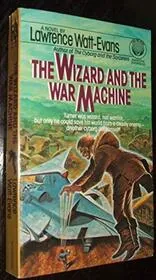
Series background & context
The War Surplus books are a compact science-fantasy series built around one very good idea: what happens when a far-future military cyborg lands on a planet where people talk about sorcery, not science. The central figure is Slant, a cybernetic soldier created for an interstellar war between Earth and its colonies. The trouble is that the war ended centuries ago, while Slant's programming did not get the memo.
That mismatch drives everything. Slant keeps reading the world through military logic, threat assessment, reconnaissance, enemy technology, while the people around him understand their reality in terms of psionics, magic, and local politics. From his point of view, the strange powers on this planet look like dangerous anomalies. From theirs, he is an impossible armored being with weapons, hardware, and motives nobody can fully grasp.
It is a good collision.
The two novels, The Cyborg and the Sorcerers and The Wizard and the War Machine, mix laser-era science fiction with the structure of fantasy adventure. There are alliances of convenience, misunderstandings, dangerous machines, and the slow realization that old wars can keep damaging lives long after the people who started them are gone. The books are fast-moving, but there is also a slightly melancholy idea underneath them, namely that a machine built for one purpose may not know how to live in any other world.
The setting is smaller in scale than some sprawling epics, but that helps. Watt-Evans keeps the focus on the immediate conflict between people, cultures, and systems of thought. He does not spend pages showing off lore for its own sake. Instead, he lets the tension come from practical questions. Can Slant adapt? Can the locals survive him? Can anyone stop old military technology from dragging this world into a war it never asked for?
The series is only two books long, so it is an easy commitment. It also feels complete, which makes it a nice choice if you want a Lawrence Watt-Evans series that gets in, does its job, and gets out. If you like cross-genre fiction where science fiction hardware and fantasy assumptions rub against each other in interesting ways, War Surplus is one of his most direct examples.

Edited by
Software engineer whose passion for tracking book recommendations from podcasts inspired the creation of MRB.
Lead investor at 3one4 Capital whose startup expertise and love for books helped shape MRB and its growth.
Comments
Did we miss something? Have feedback?
Help us improve this page by sharing your thoughts