
Walter Tevis Books in Order
Explore Walter Tevis books in order, with short summaries, an author bio, the Eddie Felson reading order, and easy where-to-start picks for new readers.
Last updated:
As an Amazon Associate, we earn from qualifying purchases (at no extra cost to you).
Walter Tevis books in publication order
9 books
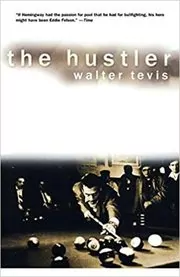
The Hustler
by Walter Tevis
1959
Fast Eddie Felson is a young pool hustler chasing one thing, a shot at beating Minnesota Fats. But skill alone will not save him in Tevis's hard, smoky story about pride, self-destruction, and what it really takes to win.
Recommended by
1 person Joe Rogan recommended this book
Joe Rogan
"Great." - Joe Rogan
Joe Rogan's recommendation of this book
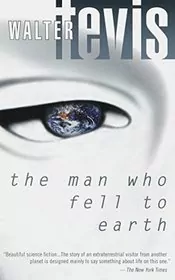
The Man Who Fell to Earth
by Walter Tevis
1963
Alien Thomas Jerome Newton lands in Kentucky hoping to save the last survivors of his ruined planet. His brilliance helps him build wealth fast, but suspicion, captivity, and drink turn his rescue mission into something sadder and more human.
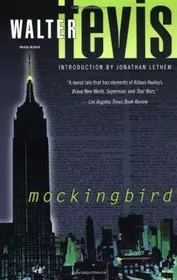
Mockingbird
by Walter Tevis
1980
In a future where reading is gone and people drift through drugged, empty lives, a self-taught reader and a troubled woman begin reaching for something better. Tevis mixes dystopian dread with a surprisingly tender belief in curiosity and connection.

Far from Home
by Walter Tevis
1981
This collection gathers Tevis's short fiction, from science fiction puzzles and quiet unease to stories shaped by gambling, loneliness, and ordinary American life. It's a good way to see the range behind the novels.

The Queen's Gambit
by Walter Tevis
1983
Orphan Beth Harmon learns chess in a Kentucky children's home and discovers a startling gift for the game. As she rises through tournaments toward the world stage, she has to fight loneliness, dependence, and her own fierce need to win.
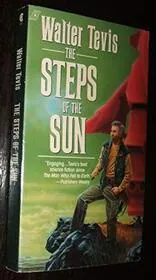
The Steps of the Sun
by Walter Tevis
1983
With energy running out and world power shifting, tycoon Ben Belson bets everything on finding new resources in space. The novel pairs big science fiction ideas with a deeply personal story about ambition, damage, and the cost of control.

The Color of Money
by Walter Tevis
1984
Years after walking away from the game, Eddie Felson feels the old pull of pool and goes hunting for one last comeback. It's a lean, melancholy sequel about age, rust, and the stubborn need to prove yourself again.

The Big Bounce
by Walter Tevis
2010
A strange new ball seems to gain energy every time it bounces, and what starts as a scientific curiosity quickly becomes dangerous. Tevis turns a clean speculative premise into a brisk story about invention, excitement, and consequences.

The King Is Dead
by Walter Tevis
2023
This posthumous collection brings together *Far from Home* and additional stories from magazines and journals. It moves from pool halls and chess rooms to eerie speculative fiction, showing how comfortably Tevis worked in both realist and imagined worlds.
Where to start with Walter Tevis
If you want the book most people start with: The Queen's Gambit
If you want gritty competition and character drama: The Hustler → The Color of Money
If you want melancholy science fiction first: The Man Who Fell to Earth → Mockingbird
If you want a sampler of his shorter work: Far from Home → The King Is Dead
Walter Tevis sub-series and character series
Walter Tevis collections, short stories, and related book types
Short Stories/Novellas
Collections
Standalone Walter Tevis books
Author bio
Walter Tevis was born in San Francisco in 1928 and spent his first ten years in the Sunset District, close to Golden Gate Park and the ocean. He later became closely associated with Kentucky, but that early California start stayed with him, and so did the feeling of being a little out of step with the world around him. A childhood illness changed the course of his life. At ten, because of a rheumatic heart condition, he was sent to Stanford Children's Convalescent Home for about a year while his parents moved back to Kentucky.
Lexington was a shock.
He found two lasting refuges there, pool and science fiction. A school friend introduced him to a home pool table and a small library of speculative fiction, and Tevis kept drawing from both for the rest of his writing life. The poolrooms gave him a feel for risk, bluffing, and private codes. The books gave him room to imagine other planets, broken futures, and characters who could not quite make peace with the world around them.
At seventeen he joined the Navy as a carpenter's mate and served aboard the USS Hamil in Okinawa. After his discharge he studied English literature at the University of Kentucky, earning both a B.A. and an M.A. and working with novelist A. B. Guthrie Jr. He began publishing short stories in magazines such as Esquire, Redbook, Cosmopolitan, Playboy, and The Saturday Evening Post.
His first novel, The Hustler, grew out of what he knew about pool halls and the people inside them. It follows Eddie Felson, a young player with huge talent and not much balance, and readers still respond to how physical and personal Tevis makes competition feel. The sequel, The Color of Money, returns to Eddie years later and asks what remains when skill survives but youth does not.
He could take that same pressure and move it somewhere completely different. The Man Who Fell to Earth turns an alien visitor into a sad, sharp story about loneliness, ambition, and drink. Mockingbird imagines a future where reading has nearly disappeared. The Queen's Gambit brings his eye for obsession and discipline to chess, following Beth Harmon from a Kentucky orphanage to the top ranks of the game.
He liked gifted strivers.
Across Tevis's work, people chase mastery, and often pay for it. His characters are pool sharks, chess players, teachers, drifters, inventors, and lonely men and women who think one more win might settle something inside them. His prose is direct and unshowy, but the feelings underneath it run deep. He was also strong in shorter forms, and Far from Home showed how comfortably he could move from science fiction to more grounded stories about ordinary life, disappointment, and uneasy human ties.
For years he balanced writing with teaching. He taught in Kentucky high schools, then spent fourteen years teaching English literature and creative writing at Ohio University in Athens. In 1978 he left that job, moved to New York, and went back to writing full time. He published Far from Home, The Steps of the Sun, The Queen's Gambit, and The Color of Money in the last stretch of his life. Tevis died of lung cancer in New York in 1984, but his books have kept finding new readers through film and television adaptations and, more importantly, through the calm, exact way he wrote about talent, loneliness, addiction, and the hard business of trying to become yourself.














Edited by
Software engineer whose passion for tracking book recommendations from podcasts inspired the creation of MRB.
Lead investor at 3one4 Capital whose startup expertise and love for books helped shape MRB and its growth.
Comments
Did we miss something? Have feedback?
Help us improve this page by sharing your thoughts