
Walter J Boyne Books in Order
Explore Walter J. Boyne books in order, with concise summaries, aviation series background, and helpful suggestions for where to start reading.
Last updated:
As an Amazon Associate, we earn from qualifying purchases (at no extra cost to you).
Walter J Boyne books in publication order
49 books
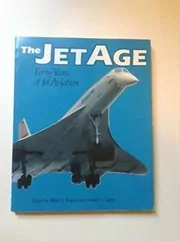
The Jet Age
by Walter J Boyne
1979
A history of the first four decades of jet aviation, from experimental engines to military and commercial aircraft. Boyne examines the inventors, designers, pilots, and technical changes that made the jet age possible.
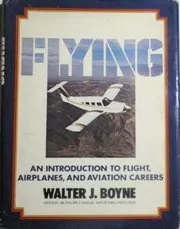
Flying, An Introduction To Flight, Airplanes, And Aviation Careers
by Walter J Boyne
1980
An introductory guide to how airplanes fly, the major types of aircraft, and the jobs that keep aviation moving. It is aimed at readers curious about flight training, aviation technology, and possible careers in the field.
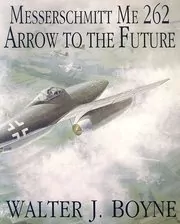
Messerschmitt Me 262
by Walter J Boyne
1980
Boyne traces the Messerschmitt Me 262, the German jet fighter that arrived late in World War II. The book covers its design, development, combat use, and the missed opportunities and production problems surrounding the aircraft.
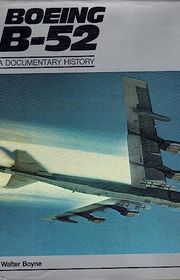
Boeing B 52
by Walter J Boyne
1981
A documentary history of the B-52 bomber, following the aircraft from its development through its long military service. Boyne explains why the Stratofortress became central to U.S. air power and strategic planning.
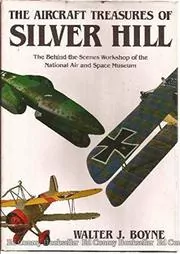
The Aircraft Treasures of Silver Hill
by Walter J Boyne
1982
A behind-the-scenes look at the aircraft preserved at the Smithsonian's Silver Hill restoration facility. Boyne introduces rare machines and the painstaking work needed to save, study, and prepare them for public display.
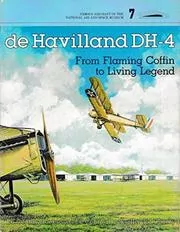
De Havilland Dh-4
by Walter J Boyne
1984
A history of the De Havilland DH-4, a World War I aircraft remembered for both its dangers and its durability. Boyne follows its combat service and later life, explaining how it earned a lasting aviation reputation.
Vertical Flight
by Walter J Boyne
1984
This history follows the long effort to make controlled vertical flight practical. Boyne covers helicopters and other rotary-wing ideas, showing how engineers and pilots turned a difficult concept into a major part of modern aviation.
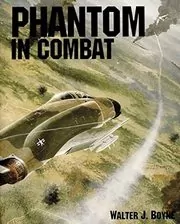
Phantom in Combat
by Walter J Boyne
1985
Boyne examines the McDonnell Douglas F-4 Phantom II in operational service. The book focuses on the aircraft's design, crews, missions, and combat record, especially its role as one of the Cold War era's best-known fighters.
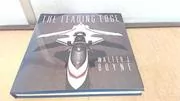
The Leading Edge
by Walter J Boyne
1986
An illustrated tour of aviation innovation, from early gliders to military, commercial, and general aviation advances. Boyne spotlights inventive people, promising experiments, odd dead ends, and ideas pointing toward faster future flight.
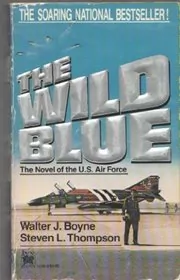
The Wild Blue
by Walter J Boyne
1986
This sprawling novel follows fictional people whose lives are shaped by the U.S. Air Force, from basic training through the demands of military service. It blends flying, institutional change, and personal ambition across the service's modern history.
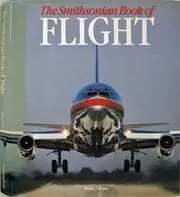
The Smithsonian Book Of Flight
by Walter J Boyne
1987
A broad, illustrated history of flight that follows aviation from early experiments to the modern air and space era. Boyne introduces important aircraft, pilots, inventions, and milestones in one accessible volume.

Power Behind The Wheel
by Walter J Boyne
1988
Boyne steps away from the runway to explore the automobile and the people who pushed its design forward. The book looks at creativity, engineering, and the changing relationship between cars, drivers, and modern life.
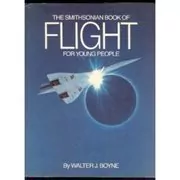
The Smithsonian Book of Flight for Young People
by Walter J Boyne
1988
A younger-reader version of aviation history, covering the people, machines, and experiments that changed flight. Clear explanations and visual material make it a useful introduction to airplanes, pilots, and aerospace progress.
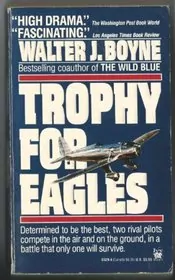
Trophy for Eagles
by Walter J Boyne
1989
In the golden age of aviation, American pilot Frank Bandfield and German flyer Bruno Hafner become rivals as flying turns into a global industry. Air races, aircraft design, the Depression, and the rise of Nazi air power raise the stakes.
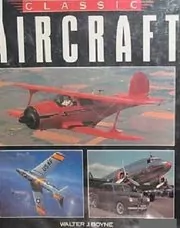
Classic Aircraft
by Walter J Boyne
1990
An illustrated celebration of notable aircraft, chosen for their design, service, and place in aviation history. Boyne provides context for the machines while keeping the focus on what made each one memorable.
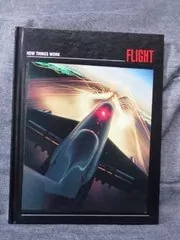
Flight
by Walter J Boyne
1990
A visual history of humanity's effort to fly, from early experiments through military and civilian aviation. Boyne connects aircraft development with the pilots, inventors, and events that gave each new era its momentum.
Eagles at War
by Walter J Boyne
1991
Characters from *Trophy for Eagles* enter World War II, where air power becomes decisive and old rivalries turn deadly. The novel follows battles over long-range fighters, jet and rocket weapons, and the politics behind wartime aircraft production.
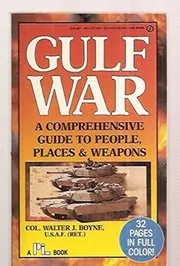
Gulf War
by Walter J Boyne
1991
Boyne gives a concise account of the 1991 Gulf War, with attention to the forces, strategy, and technology involved. The book puts the conflict's fast-moving military campaign into clear historical context.
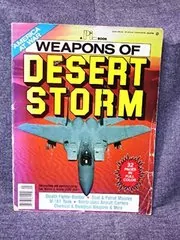
Weapons of Desert Storm
by Walter J Boyne
1991
A guide to the weapons and systems used during the 1991 Gulf War. Boyne explains the aircraft, armored vehicles, missiles, and other technology that shaped Operation Desert Storm and its highly visible air campaign.

Air Force Eagles
by Walter J Boyne
1992
The Eagles saga concludes in the first decade of the U.S. Air Force. Pilots and families face the Berlin airlift, Korea, nuclear deterrence, and racial discrimination, while John Marshall struggles for the recognition his skill deserves.
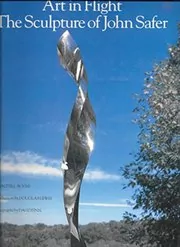
Art in Flight
by Walter J Boyne
1992
This illustrated book explores the aviation-inspired sculpture of John Safer. Boyne looks at how Safer turned the forms, motion, and machinery of flight into artwork, with attention to both the artist and his subjects.
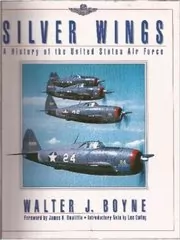
Silver Wings
by Walter J Boyne
1993
A history of the United States Air Force, tracing its people, aircraft, missions, and growth into an independent service. Boyne combines institutional history with the technological changes that shaped American air power.
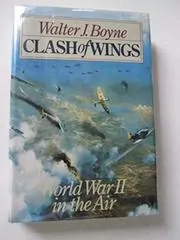
Clash of Wings
by Walter J Boyne
1994
Boyne surveys World War II in the air, from aircraft and commanders to strategy and industrial capacity. He explains how the Allies built air superiority and why control of the skies became essential to victory.
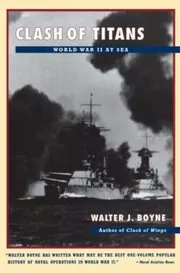
Clash of Titans
by Walter J Boyne
1995
A fast-moving overview of World War II at sea, covering major fleets, campaigns, and naval decisions. Boyne shows how ships, submarines, aircraft, intelligence, and logistics shaped the global struggle beyond the shoreline.
Fly Past, Fly Present
by Walter J Boyne
1995
A reflective look at aviation's past and present, linking historic aircraft and flying experiences with the state of modern flight. Boyne brings an insider's sense of curiosity to the people and machines behind aviation's changes.
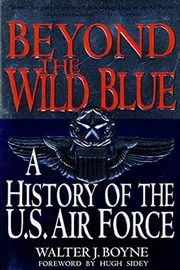
Beyond The Wild Blue
by Walter J Boyne
1997
This history follows the U.S. Air Force from its 1947 founding through its fiftieth anniversary. Boyne covers Cold War missions, aerospace technology, combat operations, and the internal debates that shaped the service.
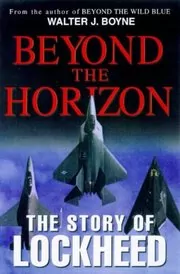
Beyond The Horizon
by Walter J Boyne
1998
A history of the Lockheed company, from its early years to its 1995 merger with Martin Marietta. Boyne follows the aircraft, engineers, test pilots, and bold projects that made Lockheed a major aerospace name.
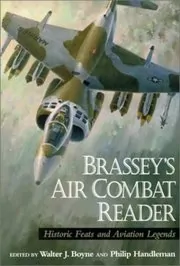
Brassey's Air Combat Reader
by Walter J Boyne
1999
An anthology of writing on aerial combat, bringing together accounts and analysis from pilots, historians, and military thinkers. It offers readers a varied view of how air fighting has been planned, experienced, and remembered.
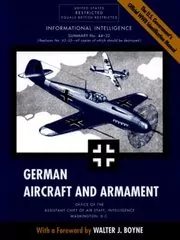
German Aircraft and Armament
by Walter J Boyne
2000
A survey of German military aircraft and armament, with attention to the technology and programs developed for war. Boyne places the machines in their operational and historical setting rather than treating them as isolated hardware.
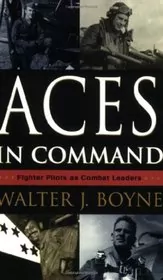
Aces In Command
by Walter J Boyne
2001
Boyne profiles four fighter aces, Eddie Rickenbacker, Hubert Zemke, Frederick Blesse, and Robin Olds, as military leaders. The book asks what made a skilled combat pilot capable of teaching, commanding, and earning trust.
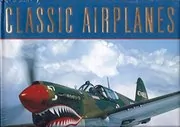
Classic Airplanes
by Walter J Boyne
2001
This illustrated guide presents landmark airplanes from across aviation history. Boyne explains why each aircraft mattered, whether for design, performance, military service, commercial travel, or its influence on later machines.
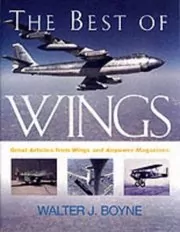
The Best of "Wings" Magazine
by Walter J Boyne
2001
A collection of standout articles from *Wings* magazine, selected for readers who enjoy aircraft, aviation history, and flying personalities. The pieces range across eras and subjects, offering a lively sampler of aviation writing.
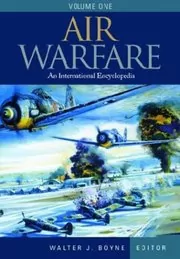
Air Warfare
by Walter J Boyne
2002
An alphabetical reference work on warfare in the air, covering aircraft, makers, battles, military terms, technology, and people. It provides a broad starting point for readers exploring the long and complicated history of air power.
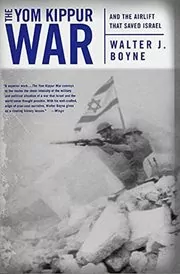
The Yom Kippur War
by Walter J Boyne
2002
Boyne recounts the 1973 Yom Kippur War with special attention to the military airlift that resupplied Israel. The book follows the conflict's military decisions, air operations, and the urgent logistics behind the wider crisis.
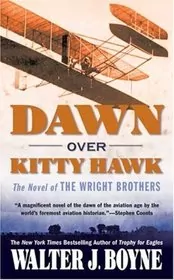
Dawn Over Kitty Hawk
by Walter J Boyne
2003
Wilbur and Orville Wright pursue powered flight while rivals across America and Europe chase the same impossible goal. This historical novel follows the brothers from their bicycle-shop beginnings to the breakthrough at Kitty Hawk.
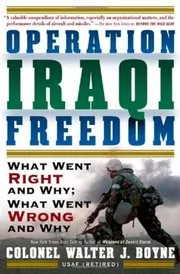
Operation Iraqi Freedom
by Walter J Boyne
2003
A concise military account of the 2003 U.S.-led invasion of Iraq, focused on the advance to Baghdad. Boyne examines operations, weapons, tactics, and command decisions while largely keeping the discussion on the battlefield.
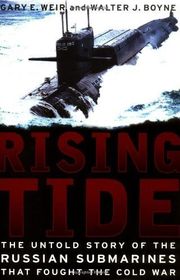
Rising Tide
by Walter J Boyne
2003
Written with Gary E. Weir, this history examines Soviet submarines during the Cold War. Drawing on the technical story and the experiences of former officers and crew, it shows how undersea forces became a major strategic concern.
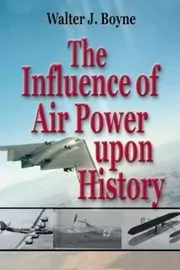
The Influence of Air Power Upon History
by Walter J Boyne
2003
A general history of the ways aircraft have altered modern war and world events. Boyne pays particular attention to the bomber, while tracing how air power developed from World War I into the contemporary era.
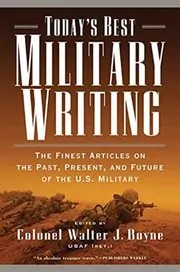
Today's Best Military Writing
by Walter J Boyne
2004
This anthology gathers military writing about the past, present, and future of U.S. armed forces. The selections offer different perspectives on combat, technology, strategy, service life, and the lessons military history can provide.
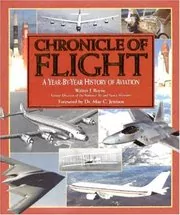
Chronicle of Flight
by Walter J Boyne
2005
A year-by-year guide to aviation history, charting important flights, aircraft, people, and events. It is built for browsing as well as reference, making it easy to see how one breakthrough led to another.
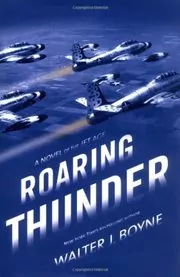
Roaring Thunder
by Walter J Boyne
2006
Vance Shannon and his family move through the dangerous early years of jet aviation as inventors and test pilots race to make the new engines work. Real figures, including Frank Whittle and Hans von Ohain, share the stage in this fact-rooted historical novel.

Supersonic Thunder
by Walter J Boyne
2006
The Shannon family faces Cold War pressure as aviation races from U-2 spy flights toward the SR-71 and supersonic transport. Work, rivalry, captivity, and family strain collide while engineers and pilots chase ever-higher speeds.

Soaring to Glory
by Walter J Boyne
2008
The story behind the U.S. Air Force Memorial, from the idea for the monument to its design and construction. Boyne connects the memorial's sweeping form with the service members and aviation history it honors.
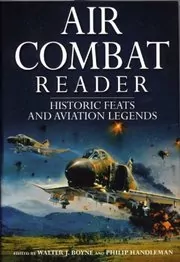
Air Combat Reader
by Walter J Boyne
2009
A collection of accounts and analysis centered on aerial fighting and the people who conduct it. The selections span key conflicts and ideas, giving readers a compact introduction to the experience and evolution of air combat.
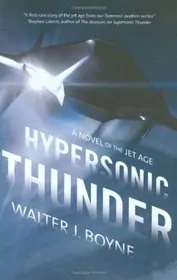
Hypersonic Thunder
by Walter J Boyne
2009
Three generations of the Shannon family confront the aerospace changes of 1973 to 2007. As space shuttles, GPS, commercial flight, and new speed records reshape the field, personal loyalties and professional demands keep pulling against each other.
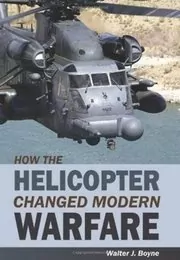
How The Helicopter Changed Modern Warfare
by Walter J Boyne
2011
Boyne explains how helicopters changed reconnaissance, transport, rescue, fire support, and battlefield command. The book follows the rotary-wing aircraft from early limitations to its central role in modern military operations.

Walt Boyne's Crummy Novel On Sex, Drugs, Planes and Aspergers
by Walter J Boyne
2015
This wide-ranging novel combines Mexican American love affairs, drug use, cartel conflict, modern weapons, and aviation. At its center is a young boy with Asperger's whose perspective brings an unexpected thread of insight to the turmoil around him.
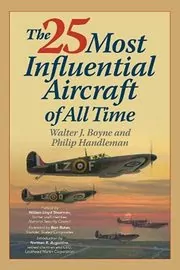
The 25 Most Influential Aircraft of All Time
by Walter J Boyne
2018
Boyne and Philip Handleman select 25 aircraft that changed aviation and explain the case for each one. The book ranges across military, civilian, and experimental designs, focusing on influence rather than simply fame.
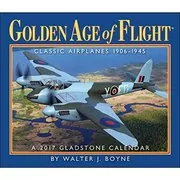
Golden Age of Flight
by Walter J Boyne
2020
An illustrated look at the years between the world wars, when aviation captured public attention and aircraft design moved quickly. Boyne explores the pilots, races, record flights, and machines that defined this adventurous period.
Where to start with Walter J Boyne
For a novelized history of early flight: Dawn Over Kitty Hawk.
For the Jet Age Trilogy: Roaring Thunder → Supersonic Thunder → Hypersonic Thunder.
For an overview of U.S. Air Force history: Silver Wings → Beyond The Wild Blue.
For accessible aviation history: The Smithsonian Book Of Flight → Chronicle of Flight → The Influence of Air Power Upon History.
Walter J Boyne sub-series and character series
The Jet Age Trilogy books in order
Explore this seriesThe Jet Age Trilogy books in chronological order
Walter J Boyne collections, short stories, and related book types
Non-Fiction Books
Standalone Walter J Boyne books
Author bio
Walter J. Boyne was a U.S. Air Force colonel, pilot, museum leader, and writer who spent most of his life helping people understand aviation. His books range from detailed histories of aircraft and air wars to big, fact-rooted novels about the people who built, flew, and fought in them.
He was born on February 2, 1929, in East St. Louis, Illinois, and grew up during the Great Depression. Money was tight, but he found two early interests that stayed with him: writing and airplanes. At Holy Angels grade school, he began to enjoy putting words on paper, while dime novels about World War I flying adventures made the sky seem like a place he had to reach.
He did.
Boyne attended Washington University in St. Louis for two years before entering the Air Force aviation cadet program. He earned his wings and commission in 1952, flew B-50, B-47, and B-52 bombers, and later served with the 4925th Nuclear Test Group. He also flew combat hours in Vietnam as a C-47 instructor pilot. By the time he retired as a colonel in 1974, he had logged more than 5,000 flying hours.
Writing started alongside the military career, not after it. In 1962, tired of seeing the same aviation stories told repeatedly, Boyne wrote about the Curtiss P-36, an aircraft and subject that had received little attention. Getting that first article published gave him the push to keep going. Over the years, he wrote more than 1,000 articles along with dozens of books.
His nonfiction makes technical history approachable without pretending that aircraft exist apart from people. The Jet Age follows the arrival of jet aviation. The Smithsonian Book of Flight offers a broad tour of flight history. Beyond the Wild Blue tracks the U.S. Air Force after 1947, while The Influence of Air Power Upon History looks at how aircraft changed modern conflict. Readers who like machines, military history, and the decisions behind major programs will find plenty to dig into.
He also wrote fiction because facts alone did not always show what aviation change felt like to the people living through it. Dawn Over Kitty Hawk turns the Wright brothers and their competitors into a tense story about persistence and rivalry. The Jet Age Trilogy, beginning with Roaring Thunder, follows the fictional Shannon family through the fast-moving world of aerospace development.
Boyne brought the same hands-on energy to museum work. After leaving the Air Force, he joined the National Air and Space Museum as a curator in 1974 and became its director in 1983. He helped shape displays, improved the aircraft restoration operation, founded Air & Space magazine, and worked on projects that expanded the museum's reach beyond its main building.
He liked the nuts and bolts, but he never lost sight of the human side of flight.
Boyne later chaired the National Aeronautic Association and helped create the aviation television channel Wingspan. He was inducted into the National Aviation Hall of Fame in 2007. He died on January 9, 2020, at age 90, leaving behind a shelf full of books for readers who want to know how aviation got from a fragile experiment to a force that reshaped everyday life.













Edited by
Software engineer whose passion for tracking book recommendations from podcasts inspired the creation of MRB.
Lead investor at 3one4 Capital whose startup expertise and love for books helped shape MRB and its growth.
Comments
Did we miss something? Have feedback?
Help us improve this page by sharing your thoughts