
Walter D Edmonds Books in Order
Explore Walter D Edmonds books in order, with short summaries, best places to start, and quick notes on his Erie Canal and New York historical stories.
Last updated:
As an Amazon Associate, we earn from qualifying purchases (at no extra cost to you).
Walter D Edmonds books in publication order
23 books
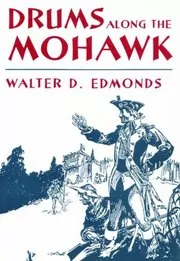
Drums Along the Mohawk
by Walter D Edmonds
1936
Newlyweds Gil and Lana Martin head into New York's Mohawk Valley just as the Revolution turns the frontier into a war zone. Their farm keeps rising and falling with each raid, making this a tough, intimate story of marriage, settlement, and survival.
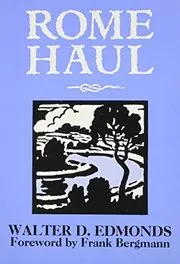
Rome Haul
by Walter D Edmonds
1938
Young farmhand Dan Harrow signs on along the Erie Canal hoping to earn his way toward a farm of his own. Between rough canal work, river-town trouble, and his feelings for Molly Larkin, he gets a full education in ambition and belonging.
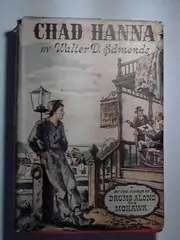
Chad Hanna
by Walter D Edmonds
1940
Country boy Chad Hanna leaves canal-country routine for the noise and glamour of a traveling circus. What follows is part coming-of-age tale, part love story, and part portrait of a restless young man trying to figure out where he belongs.
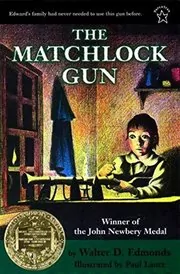
The Matchlock Gun
by Walter D Edmonds
1941
In 1756, ten-year-old Edward Van Alstyne is the only one left to defend his mother and little sister when danger comes to their New York home. The whole story builds toward one night of fear, courage, and a gun almost too heavy for him to lift.
Young Ames
by Walter D Edmonds
1942
Ames arrives in 1830s New York eager to make his way and finds a city full of gangs, fires, business schemes, and social climbing. It's a brisk rise-to-success story with romance and a strong sense of old Manhattan in motion.
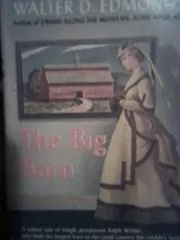
The Big Barn
by Walter D Edmonds
1943
Old Ralph Wilder rules a vast upstate holding and pours his will into the building of an enormous barn. As the Civil War approaches, family loyalties and ambitions start to strain under the weight of one man's drive.

Two Logs Crossing: John Haskell's Story
by Walter D Edmonds
1943
After his father's death leaves the family deep in debt, young John Haskell heads into the northern woods to trap furs with an older guide. It's a compact coming-of-age story about work, pride, and learning how to stand on your own.

Cadmus Henry
by Walter D Edmonds
1949
Cadmus Henry longs for battlefield glory in the Civil War, only to learn that war has stranger jobs in mind for him. His chance at heroism comes not on horseback but in a risky balloon mission over enemy lines.

In the Hands of the Senecas
by Walter D Edmonds
1950
Set on the New York frontier in 1778, these linked stories follow women taken captive in a Seneca raid and forced into uncertain new lives. Edmonds focuses less on spectacle than on endurance, fear, and the hard choices survival demands.
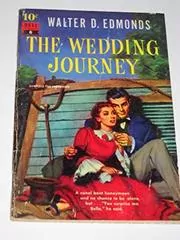
The Wedding Journey
by Walter D Edmonds
1951
A newly married couple boards an Erie Canal packet in the late 1830s and heads west toward Niagara Falls. Small in scale but rich in detail, the book turns a honeymoon trip into a gentle portrait of canal travel and early married life.

They Fought With What They Had: The Story of the Army Air Forces in the Southwest Pacific, 1941-1942
by Walter D Edmonds
1951
This nonfiction account follows the Army Air Forces in the Southwest Pacific through the first grim months after Pearl Harbor. Edmonds shows crews in the Philippines, the East Indies, and Australia fighting with thin supplies, old planes, and almost no room for error.

The Boyds of Black River
by Walter D Edmonds
1953
Told through young Teddy's eyes, this novel drops readers into a big upstate New York family built around horses, racing, and country pride. It's full of household bustle, shifting fortunes, and the ache of watching an old way of life start to fade.

Black Cotton Stockings
by Walter D Edmonds
1954
This nostalgic volume uses pictures and short pieces to recreate everyday life in Boonville, New York, before cars and modern habits changed the town. More remembrance than novel, it captures local customs, streets, and small-town character.
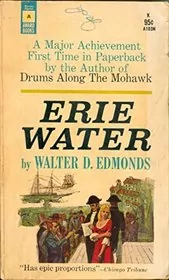
Erie Water
by Walter D Edmonds
1964
Jerry Fowler throws himself into the building of the Erie Canal and sees the new waterway as his path to a bigger life. But the same project that promises opportunity also puts pressure on his marriage and on the countryside around him.
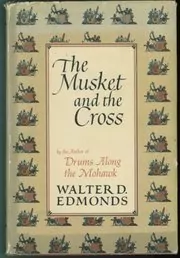
The Musket and the Cross
by Walter D Edmonds
1968
This sweeping nonfiction history follows the long contest between France and England for control of North America. Edmonds keeps the big military story readable by tying it to frontier lives, shifting alliances, and the brutal demands of empire.

Time to Go House
by Walter D Edmonds
1969
When winter empties the big house, the field mice move indoors for the season. Smalleata's new life among the house mice brings danger, comedy, and an unexpected romance with a mouse named Raffles.

Wolf Hunt
by Walter D Edmonds
1970
Set in northern New York, this later novel centers on a community drawn together, and tested, by a winter wolf hunt. Edmonds uses the chase to explore harsh weather, local rivalries, and the uneasy line between courage and pride.
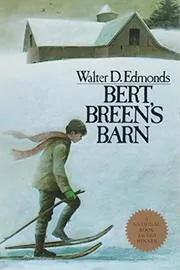
Bert Breen's Barn
by Walter D Edmonds
1975
Tom Dolan grows obsessed with the huge abandoned barn on the landscape and the rumor that Bert Breen buried money beneath it. What starts as treasure hunting becomes a sharp coming-of-age story about poverty, hope, and making something of your own.

The Night Raider and Other Stories
by Walter D Edmonds
1980
This collection gathers Edmonds's shorter fiction, from adventure pieces to regional tales rooted in New York history. If you like his novels for their voice and atmosphere, these stories show how well he could sketch a whole world in a few pages.
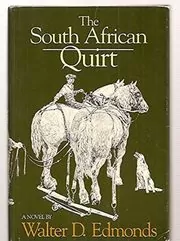
The South African Quirt
by Walter D Edmonds
1985
Set during a boyhood summer in 1915, this partly autobiographical novel follows Natty as he measures himself against a demanding, hard-to-read father. It's quieter than Edmonds's frontier books, but just as tense in its own family way.

Mostly Canallers
by Walter D Edmonds
1987
These stories circle around the Erie Canal and the people who lived by it, worked it, fought on it, and drifted through it. Funny, rough, and sharply observed, they show Edmonds at his best in short form.

Seven American Stories
by Walter D Edmonds
1989
This collection brings together seven historical tales for younger readers, including The Matchlock Gun and Two Logs Crossing. Across colonial settlements, sea voyages, and frontier hardships, Edmonds keeps the focus on courage, work, and growing up fast.
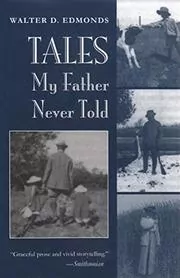
Tales My Father Never Told
by Walter D Edmonds
1995
In this memoir, Edmonds looks back on his childhood in New York City and the Adirondack foothills, with special attention to his difficult, deeply felt bond with his father. The book works through family memory with wit, honesty, and surprising tenderness.
Where to start with Walter D Edmonds
If you want the big frontier epic: Drums Along the Mohawk
If you want the Erie Canal books first: Rome Haul → Erie Water → The Wedding Journey
If you want award-winning books for younger readers: The Matchlock Gun → Two Logs Crossing: John Haskell's Story → Bert Breen's Barn
If you want the more personal late work: The South African Quirt → Tales My Father Never Told
Walter D Edmonds collections, short stories, and related book types
Short Stories/Novellas
Collections
Non-Fiction
Standalone Walter D Edmonds books
Author bio
Walter D. Edmonds was born in Boonville, New York, in 1903, and grew up in the country of the Erie Canal, the Black River, and the Adirondack foothills. That landscape stayed with him for life. Again and again, he returned to upstate New York and wrote about the farmers, canallers, soldiers, trappers, and families who lived there.
He built a long writing life out of home ground.
As a teenager he went to Choate, where he first expected to study chemical engineering. Instead he drifted toward the school literary magazine and ended up editing it. At Harvard he studied with Charles Townsend Copeland, edited The Harvard Advocate, and began publishing while still young, which gave him an early push toward a real writing career.
One editor urged him to write about the canal country he knew so well. That advice changed everything. His first novel, Rome Haul, turned the Erie Canal into living fiction, full of rough work, jokes, romance, and motion. It was a success, and it later became the basis for The Farmer Takes a Wife on stage and screen.
The book that made his name was Drums Along the Mohawk. Published in 1936, it followed frontier settlers in the Revolutionary War and stayed on bestseller lists for years. A few years later John Ford turned it into a film starring Henry Fonda and Claudette Colbert. Another novel, Chad Hanna, also reached the screen, which tells you how vivid Edmonds's story worlds could be.
He was never just writing battles and dates. His best books stay close to ordinary lives, a young couple trying to hold on to a farm, a canal hand chasing a better future, a boy left to protect his family, a poor child staring at an old barn and dreaming of buried money. Readers still come to The Matchlock Gun, Two Logs Crossing: John Haskell's Story, and Bert Breen's Barn for exactly that reason.
Awards followed, though he never seems like a flashy writer on the page. The Matchlock Gun won the Newbery Medal, and Bert Breen's Barn later won the National Book Award for Children's Literature. Even when he wrote for younger readers, he did not talk down to them. His children and teenagers work hard, get frightened, make mistakes, and grow up fast.
He wrote like someone who had listened carefully.
One of the pleasures of Edmonds is the sound of the books. He had an ear for work talk, canal talk, barn talk, and the dry humor of stubborn people. He also liked history best when it still had mud on its boots. That shows in his favorite subjects, the French and Indian War, the American Revolution, the Erie Canal, country horse racing, and farm life in northern New York.
In later years he kept stretching. He returned to big history in The Musket and the Cross, wrote a more personal, partly autobiographical novel in The South African Quirt, and then looked back directly in the memoir Tales My Father Never Told. He spent later years in Massachusetts and died in 1998, but upstate New York remained his real imaginative home. His books still feel rooted in weather, work, and place, which is a big part of why they last.














Edited by
Software engineer whose passion for tracking book recommendations from podcasts inspired the creation of MRB.
Lead investor at 3one4 Capital whose startup expertise and love for books helped shape MRB and its growth.
Comments
Did we miss something? Have feedback?
Help us improve this page by sharing your thoughts