
Valhalla Books in Order
Part ofJohanne Hildebrandt Books in OrderSee the Valhalla series by Johanne Hildebrandt in order, with book summaries, reading guidance, and background on this myth-rich Norse saga.
Last updated:
As an Amazon Associate, we earn from qualifying purchases (at no extra cost to you).
Valhalla books in publication order
2 books
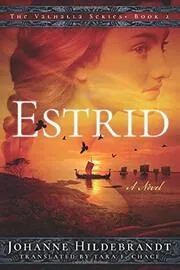
Estrid
by Johanne Hildebrandt
2016
Queen Sigrid fights to protect her children when enemies seize her daughter, Estrid. As bloodlines, loyalty, and royal power come under pressure, both mother and daughter are pulled into another brutal struggle over family, faith, and the future.
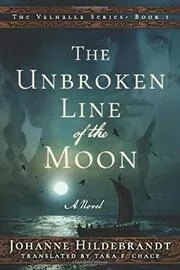
The Unbroken Line of the Moon
by Johanne Hildebrandt
2016
Sigrid, a chieftain's daughter gifted with visions from Freya, agrees to a marriage meant to keep the peace between rival peoples. Then she meets the ambitious warrior Sweyn, and her private choices start to reshape the struggle for the Nordic lands.
Valhalla books in chronological order
Series background & context
The Valhalla books are where Johanne Hildebrandt lets her two big interests meet: harsh Scandinavian history and the pull of Norse myth. The wider cycle began with earlier novels such as Freya, Idun, and Saga, but the books gathered here focus on the later branch of the saga built around Queen Sigrid and her children. In English, that means The Unbroken Line of the Moon and Estrid.
This is a series about power, faith, and survival.
In The Unbroken Line of the Moon, Sigrid starts as a chieftain's daughter being used in marriage politics between rival peoples. She is devoted to the old gods, and her visions from Freya convince her that her future matters far beyond one wedding. At the same time, the warrior Sweyn is chasing recognition, revenge, and a crown. When Sigrid and Sweyn meet, love and ambition stop being separate things, and the personal story becomes a struggle over kingdoms, succession, and the future of the North.
Estrid opens the story wider. Sigrid is no longer just a pawn in other people's bargains, she is ruling, protecting her line, and trying to hold together a world full of enemies, rumors, and shifting loyalties. Her daughter Estrid moves to the center as well. She is more fragile than the warriors around her, but that does not make her unimportant. Questions about her parentage, her body, and her place in the royal game turn into questions about who will control the next chapter of Scandinavian history.
Nobody in Valhalla gets to live outside politics for long.
The setting matters a lot. Hildebrandt writes a Scandinavia of sea crossings, smoky halls, cult sites, raids, arranged marriages, and sudden violence, where news travels with traders and warriors and every alliance feels temporary. Christianity is pushing northward, but the old gods are still close, not as decorative background, but as living forces that shape dreams, duties, and fears. That gives the books an unusual texture: part historical novel, part saga, part mythic court struggle.
Tone-wise, expect something rougher than a cozy adventure. These books care about family and romance, but they also make room for brutality, revenge, and the hard math of rule. What keeps the series moving is not just battle, though. It is the tension between mothers and children, lovers and rulers, prophecy and free will. If that mix sounds appealing, Valhalla offers a big, bloodstained story with strong women at its center.
Edited by
Software engineer whose passion for tracking book recommendations from podcasts inspired the creation of MRB.
Lead investor at 3one4 Capital whose startup expertise and love for books helped shape MRB and its growth.
Comments
Did we miss something? Have feedback?
Help us improve this page by sharing your thoughts