
Vaclav Smil Books in Order
Browse Vaclav Smil's books in order, with concise summaries, topic guides, and where-to-start advice for his energy, food, materials, and history books.
Last updated:
As an Amazon Associate, we earn from qualifying purchases (at no extra cost to you).
Vaclav Smil books in publication order
45 books
Energy In The Developing World
by Vaclav Smil
1980
Focused on the real energy crisis, this book looks at how poorer countries secure fuel, power, and basic services. Smil connects energy shortages to development, everyday life, and the limits of copying rich-country models.
Energy Analysis And Agriculture
by Vaclav Smil
1982
Using U.S. corn production as a case study, Smil breaks down the energy costs hidden inside modern farming. Fertilizer, machinery, fuel, and yields all figure in a careful look at agricultural efficiency.
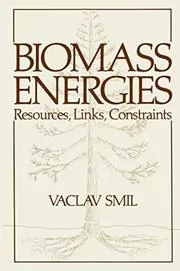
Biomass Energies
by Vaclav Smil
1983
Smil surveys wood, crop residues, dung, biogas, and other biomass fuels in both poor and rich societies. It is a broad assessment of their promise, their constraints, and the land and labor they require.
The Bad Earth
by Vaclav Smil
1984
An early and unsparing study of environmental degradation in China. Smil ties pollution, resource depletion, and ecological strain to the country's push for growth and modernization.
Energy, Food, Environment
by Vaclav Smil
1987
This book brings together three systems that are often discussed separately. Smil examines the hard tradeoffs, common myths, and practical options linking energy use, agriculture, and environmental damage.
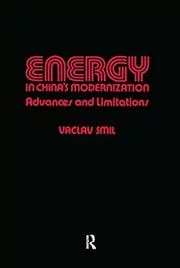
Energy In China's Modernization
by Vaclav Smil
1988
Smil studies China's energy base at a key moment in its modernization, weighing both progress and bottlenecks. Coal, oil, electricity, efficiency, and regional disparities all shape the picture.
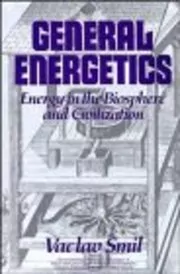
General Energetics
by Vaclav Smil
1991
A dense but foundational survey of energy in nature and civilization. Smil moves from solar radiation and photosynthesis to metabolism, fuels, industry, and the environmental costs of modern energy use.
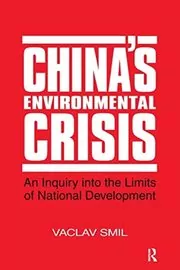
China's Environmental Crisis
by Vaclav Smil
1993
Building on The Bad Earth, this book looks more broadly at the environmental limits facing modern China. Smil is interested not just in what went wrong, but in the deeper pressures created by growth, resources, and scale.
Global Ecology
by Vaclav Smil
1993
Smil tackles global environmental change as both an ecological and a social problem. The book argues that sustainability depends not just on seeing the damage clearly, but on building flexible, realistic responses to it.
Energy In World History
by Vaclav Smil
1994
From human and animal muscle to waterwheels and fossil fuels, Smil traces how energy shaped world history. It is a concise history of the power sources behind agriculture, industry, and modern life.
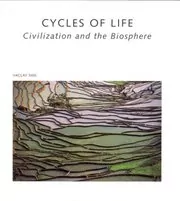
Cycles of Life: Civilization and the Biosphere
by Vaclav Smil
1996
Smil explains the major biogeochemical cycles and the living systems that keep the planet in balance. The book links oceans, atmosphere, nutrients, industry, and human development in a readable big-picture overview.
Energies
by Vaclav Smil
1998
In 82 short essays, Smil looks at energy as the thread linking stars, plants, bodies, machines, and cities. It is a compact, illustrated way to see the biosphere and civilization through one organizing idea.
Recommended by
1 person Bill Gates recommended this book
Bill Gates
List of books Bill Gates read in 2011.
Bill Gates's recommendation of this book
Enriching the Earth
by Vaclav Smil
2000
This book tells the story of nitrogen fertilizer and the Haber-Bosch process, and how they reshaped modern agriculture. Smil links chemistry, industry, and food production to show how one invention changed the fate of billions.
Recommended by
1 person- Bill Gates recommended this book
Bill Gates
List of books Bill Gates read in 2011.
Bill Gates's recommendation of this book
Feeding the World
by Vaclav Smil
2000
Can humanity feed itself well in the twenty-first century? Smil weighs population, crop yields, diets, land, fertilizer, and waste in a realistic study of food security and its limits.
The Earth's Biosphere
by Vaclav Smil
2002
Smil offers a sweeping tour of the biosphere, from its origins and core processes to its uncertain future. Physics, chemistry, ecology, and human pressure come together in a big-picture account of life on Earth.
Recommended by
1 person- Bill Gates recommended this book
Bill Gates
List of books Bill Gates read in 2011.
Bill Gates's recommendation of this book
China's Past, China's Future
by Vaclav Smil
2003
Smil uses energy, food, and environment as lenses for understanding China's long history and possible future. It is a compact, data-driven look at continuity, pressure, and change.
Energy at the Crossroads
by Vaclav Smil
2003
Smil asks how a growing world can meet rising energy demand without damaging the biosphere. He weighs fossil fuels, alternatives, prices, and predictions, with a sharp eye for what is realistic and what is not.
Recommended by
1 person- Bill Gates recommended this book
Bill Gates
List of books Bill Gates read in 2011.
Bill Gates's recommendation of this book
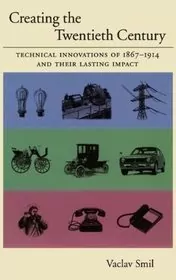
Creating the Twentieth Century
by Vaclav Smil
2004
This book returns to 1867 to 1914, when electricity, engines, new materials, and communications laid the groundwork for modern life. Smil shows how a burst of invention created the high-energy world that followed.
Recommended by
1 person- Bill Gates recommended this book
Bill Gates
"My favorite [Vaclav Smil] book." - Bill Gates
Bill Gates's recommendation of this book
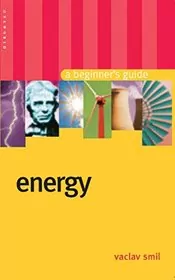
Energy: A Beginner's Guide
by Vaclav Smil
2006
This is Smil at his most accessible, explaining what energy is and why it matters in bodies, machines, fuels, and climate. It is a friendly introduction that still gives the subject real weight.
Transforming the Twentieth Century
by Vaclav Smil
2006
Picking up where the earlier volume ends, Smil follows twentieth-century innovations as they spread and reshaped everyday life. He balances the gains of technical progress against its new complexities, inequalities, and environmental costs.
Energy in Nature and Society
by Vaclav Smil
2007
A sweeping single-volume study of energy flows and transformations, from sunlight and photosynthesis to food, fuels, and industry. Smil uses measures like power density and energy intensity to connect natural and human systems.
Global Catastrophes and Trends
by Vaclav Smil
2008
Rather than making neat forecasts, Smil studies rare disasters and slow-moving global shifts. Pandemics, wars, climate, demographics, and inequality all enter a sober look at how big change actually arrives.
Recommended by
1 person- Bill Gates recommended this book
Bill Gates
List of books Bill Gates read in 2011.
Bill Gates's recommendation of this book
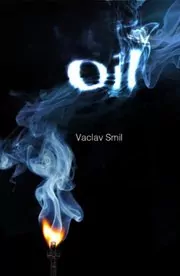
Oil
by Vaclav Smil
2008
This beginner-friendly guide explains where oil comes from, how it is produced, why it matters, and why it is so controversial. Smil turns a huge global subject into a clear introduction without pretending it is simple.
Energy Myths and Realities
by Vaclav Smil
2010
Smil challenges a long list of confident claims about energy, from rapid transitions to miracle fixes. His focus is on physical limits, infrastructure, and the slow, stubborn reality of how energy systems change.
Recommended by
1 person- Bill Gates recommended this book
Bill Gates
"Examines the various predictions that have been made in the past and are still being made about energy use." - Bill Gates
Bill Gates's recommendation of this book
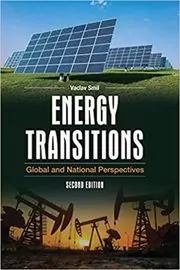
Energy Transitions
by Vaclav Smil
2010
Smil uses history to show that big energy shifts take decades, not news cycles. With global and national examples, he explains why new fuels and technologies spread slowly and what true transition really requires.
Recommended by
1 person- Bill Gates recommended this book
Bill Gates
"Explains the energy transitions that have driven social, economic and technological change worldwide over time." - Bill Gates
Bill Gates's recommendation of this book
Oil Resources Production Uses Impacts
by Vaclav Smil
2010
A concise survey of oil from geology and extraction to transport, everyday uses, and environmental consequences. Smil is especially good at showing how deeply modern economies are built around this single fuel.
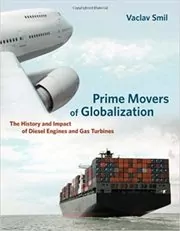
Prime Movers of Globalization
by Vaclav Smil
2010
This is Smil's history of the diesel engine and gas turbine, the machines behind container shipping and jet travel. He shows how they changed trade, mobility, and the physical foundations of globalization.
Recommended by
1 person- Bill Gates recommended this book
Bill Gates
"An entire book about the development and impact of gas turbines and diesel engines." - Bill Gates
Bill Gates's recommendation of this book
Why America Is Not a New Rome
by Vaclav Smil
2010
Smil takes on the popular Rome comparison and shows why it breaks down under closer inspection. Empire, population, innovation, wealth, and military power all look very different when the analogy is tested seriously.
Recommended by
1 person- Bill Gates recommended this book
Bill Gates
"Points out [why comparisons of the US] with the decline of the Roman Empire fall short." - Bill Gates
Bill Gates's recommendation of this book
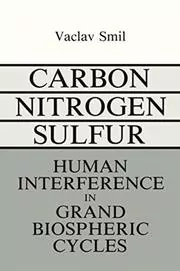
Carbon-Nitrogen-Sulfur
by Vaclav Smil
2012
Smil examines three grand biospheric cycles and how human activity has altered them. Fertilizers, fossil fuels, pollution, and industrial emissions all figure in this deep study of planetary change.
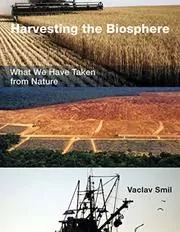
Harvesting the Biosphere
by Vaclav Smil
2012
This book measures how much living matter humans take from nature, and what that means. Smil follows biomass harvests from prehistoric hunting to modern agriculture, raw materials, and energy use.
Recommended by
1 person- Bill Gates recommended this book
Bill Gates
"Gives as clear and as numeric a picture as is possible of how humans have altered the biosphere." - Bill Gates
Bill Gates's recommendation of this book
Japan's Dietary Transition and Its Impacts
by Vaclav Smil
2012
Smil and Kazuhiko Kobayashi trace Japan's shift from a near-subsistence, plant-heavy diet to modern abundance. They ask what that change has meant for health, longevity, and the environment.
Made in the USA
by Vaclav Smil
2013
A history of American manufacturing, from rise to retreat. Smil argues that making things still matters, and that a strong manufacturing base remains central to jobs, innovation, and national strength.
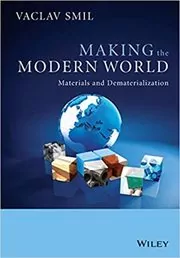
Making the Modern World
by Vaclav Smil
2013
Steel, cement, plastics, and silicon are the hidden stuff of everyday life. Smil traces where these materials come from, what they cost in energy and environment, and whether modern economies can truly dematerialize.
Recommended by
1 person- Bill Gates recommended this book
Bill Gates
"[I] gained a new appreciation for all the materials that make modern life possible." - Bill Gates
Bill Gates's recommendation of this book
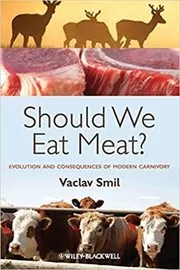
Should We Eat Meat?
by Vaclav Smil
2013
Smil examines meat eating from evolution to modern industry, asking what it means for health, land, water, and climate. He is less interested in slogans than in what a more rational level of consumption might look like.
Recommended by
1 person- Bill Gates recommended this book
Bill Gates
"I can’t think of anyone better equipped to present a clear-eyed analysis of this subject than Vaclav Smil." - Bill Gates
Bill Gates's recommendation of this book
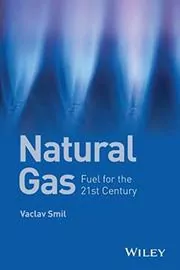
Natural Gas
by Vaclav Smil
2015
Smil surveys natural gas from origin and extraction to pipelines, LNG trade, and end uses. He treats it as both the cleanest fossil fuel and a complicated bridge in any future energy transition.
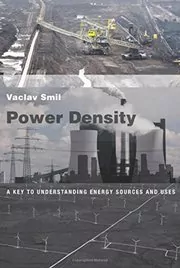
Power Density
by Vaclav Smil
2015
Smil makes the case that power density, the energy produced or used per unit of area, is essential to understanding energy systems. The book becomes a sharp tool for comparing fossil fuels, renewables, and the space they require.
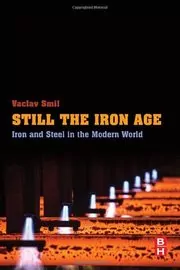
Still the Iron Age
by Vaclav Smil
2016
For all the talk of digital revolutions, Smil argues that modern civilization still rests on iron and steel. He follows their history, their many uses, and the hard question of how to make them more sustainably.
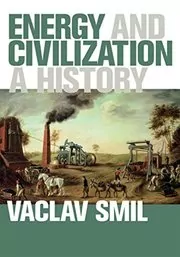
Energy and Civilization
by Vaclav Smil
2017
A long-view history of how energy shaped human societies, from foragers to fossil-fueled industrial systems. Smil connects power sources to agriculture, cities, war, trade, and the structure of everyday life.
Recommended by
1 person- Bill Gates recommended this book
Bill Gates
"Goes deep and broad to explain how innovations in humans’ ability to turn energy into heat, light, and motion have been a driving force behind our cultural and economic progress over the past 10,000 years." - Bill Gates
Bill Gates's recommendation of this book
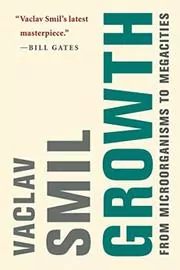
Growth
by Vaclav Smil
2019
Smil examines growth across nature and society, from microorganisms and forests to cities, economies, and machines. The result is a wide-ranging study of how growth starts, speeds up, slows down, and meets limits.
Recommended by
1 person- Bill Gates recommended this book
Bill Gates
"The newest of 39 brilliant books by one of my favorite thinkers." - Bill Gates
Bill Gates's recommendation of this book
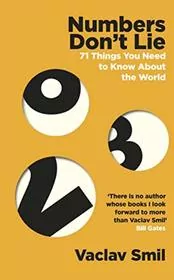
Numbers Don't Lie
by Vaclav Smil
2020
In 71 short chapters, Smil uses statistics to puncture lazy assumptions about energy, food, technology, population, and everyday life. It is one of his most approachable books, full of compact arguments and memorable facts.
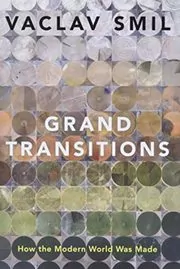
Grand Transitions
by Vaclav Smil
2021
Smil argues that the modern world rests on four linked transitions, population, agriculture, energy, and economics. He traces how they changed daily life and why a fifth transition, environmental change, now hangs over all the rest.
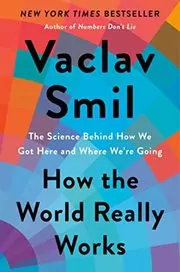
How the World Really Works
by Vaclav Smil
2022
Smil distills decades of work into a clear account of the systems that keep modern life running. Energy, food, materials, globalization, risk, and environment come together in a reality check grounded in physical limits.
Recommended by
2 people- Bill Gates recommended this book
Bill Gates
"If you want a brief but thorough education in numeric thinking about many of the fundamental forces that shape human life." - Bill Gates
Bill Gates's recommendation of this book  Timothy Sykes recommended this book
Timothy Sykes
"Great book!" - Timothy Sykes
Timothy Sykes's recommendation of this book
Invention and Innovation
by Vaclav Smil
2023
Smil separates invention from innovation and then follows ideas that failed, disappointed, harmed, or never arrived as promised. It is a brisk history of human ingenuity, and of the hype that so often travels with it.
How to Feed the World
by Vaclav Smil
2025
Smil returns to food security with a practical, data-heavy guide to feeding a growing population. He looks at yields, diets, fertilizer, waste, and distribution, and keeps asking what changes are actually possible at scale.
Energy
by Vaclav Smil
This revised beginner's guide explains energy's role in living bodies, food, transportation, and human societies. Smil connects basic scientific principles with fuel choices, climate change, and the effects of everyday decisions on energy consumption.
Recommended by
2 people- Bill Gates recommended this book
Bill Gates
"There is no author whose books I look forward to more than Vaclav Smil." - Bill Gates
Bill Gates's recommendation of this book  Mark Zuckerberg recommended this book
Mark Zuckerberg
"Explores important topics around how energy works, how our production and use might evolve, and how this affects climate change." - Mark Zuckerberg
Mark Zuckerberg's recommendation of this book
Where to start with Vaclav Smil
If you want the clearest overview: How the World Really Works → Numbers Don't Lie
If you want energy history and big systems: Energy: A Beginner's Guide → Energy and Civilization → Energy Transitions
If you want food and agriculture: How to Feed the World → Feeding the World → Enriching the Earth
If you want materials and industry: Making the Modern World → Still the Iron Age → Made in the USA
Vaclav Smil sub-series and character series
Oneworld Beginners' Guides books in order
Explore this seriesOneworld Beginners' Guides books in chronological order
Scientific American Library books in order
Explore this seriesScientific American Library books in chronological order
Vaclav Smil collections, short stories, and related book types
Non-Fiction


by Vaclav Smil
2000Fritz Haber, Carl Bosch, and the Transformation of World Food Production
by Vaclav Smil
2010The History and Impact of Diesel Engines and Gas Turbines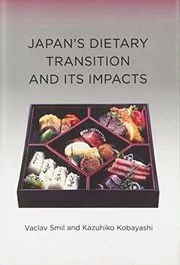



Standalone Vaclav Smil books
Creating the Twentieth Century
by Vaclav Smil
2004Technical Innovations of 1867-1914 and Their Lasting Impact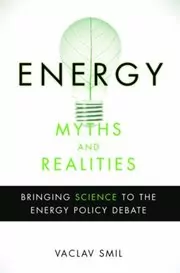

by Vaclav Smil
2022The Science Behind How We Got Here and Where We're Going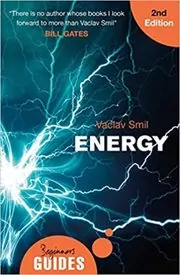
Author bio
Vaclav Smil was born in Plzen in 1943 and grew up in western Czechoslovakia, in a small mountain town where heating a home still meant real physical work. He has often pointed to those early years, especially chopping and hauling wood, as a practical lesson in what energy means when it is not just a number on a page.
He studied natural sciences at Charles University in Prague and later earned a PhD in geography at Pennsylvania State University. In the early 1970s he settled in Canada, joined the University of Manitoba in Winnipeg, and built the academic career that would eventually make him a Distinguished Professor Emeritus. His work never stayed in one department-sized box for long.
Facts came first.
That habit shaped the books. Smil moved across energy, food, population, environment, materials, technology, and history, following questions wherever the numbers led. His first book appeared in the mid-1970s and focused on China, a subject he returned to often. From there he kept widening the frame, writing not just about single fuels or single countries but about the physical systems behind modern civilization.
A good sense of his range comes from a few key titles. Energy and Civilization traces how societies changed as humans learned to rely on muscle, wood, coal, oil, gas, and electricity. How the World Really Works gives a shorter, sharper account of the systems that support everyday life, especially food, energy, materials, and global trade. Numbers Don't Lie is one of his most approachable books, using short chapters and striking statistics to make large subjects feel concrete. And Making the Modern World turns to the stuff around us, steel, cement, plastics, and other materials that quietly hold up modern life.
He likes long time scales.
That is also clear in books such as Enriching the Earth, his history of nitrogen fertilizer and modern food production, and How to Feed the World, which asks what it would really take to nourish a growing population without drifting into wishful thinking. Across the bibliography, the same themes keep returning: how much things cost in energy and materials, how slowly big systems change, and how often public debate outruns physical reality. Even when Smil is writing about one place, especially China, he is usually testing a bigger argument about development, limits, and scale.
Readers tend to come back for the style as much as the subject. Smil writes with lots of data, but the point is not to impress you with spreadsheets. The point is to make the machinery of ordinary life visible. He is especially good at taking something huge and abstract, like fertilizer use, diesel engines, or power density, and showing why it matters at the level of farms, factories, cities, and households.
Over the years he has published more than fifty books and hundreds of papers. He is a Fellow of the Royal Society of Canada, received the AAAS Award for Public Understanding of Science and Technology, and was appointed a Member of the Order of Canada. He still lives in Winnipeg and keeps writing, asking the same stubborn question from new angles: what does modern life actually run on?







Edited by
Software engineer whose passion for tracking book recommendations from podcasts inspired the creation of MRB.
Lead investor at 3one4 Capital whose startup expertise and love for books helped shape MRB and its growth.
Comments
Did we miss something? Have feedback?
Help us improve this page by sharing your thoughts