
Scientific American Library Books in Order
Part ofVaclav Smil Books in OrderSee Vaclav Smil's Scientific American Library book in order, with a short summary, series background, and help choosing this big-picture science starting point.
Last updated:
As an Amazon Associate, we earn from qualifying purchases (at no extra cost to you).
Scientific American Library books in publication order
1 book
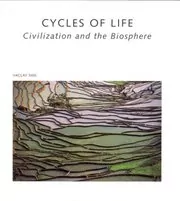
Cycles of Life: Civilization and the Biosphere
by Vaclav Smil
1996
Smil explains the major biogeochemical cycles and the living systems that keep the planet in balance. The book links oceans, atmosphere, nutrients, industry, and human development in a readable big-picture overview.
Scientific American Library books in chronological order
Series background & context
Scientific American Library books were designed to take big scientific ideas and explain them for curious general readers. They are not stripped-down primers. They are broader, more visual, and more reflective guides that let a specialist walk you through an entire field without assuming you already know the language.
The series likes big views.
Vaclav Smil's Cycles of Life: Civilization and the Biosphere fits that mission almost perfectly. Instead of focusing on one breakthrough or one lab result, it looks at the large cycles that keep Earth habitable. Carbon, nitrogen, sulfur, oceans, atmosphere, soils, plants, animals, and people all belong to the same story.
There are no heroes or villains in the usual sense, but there is a real source of tension. Natural systems move through long, interlocking cycles, while modern industrial society interrupts them at high speed and large scale. Smil explains how microscopic marine life influences the air above us, how nutrients move through living matter, and how food, energy use, population, and industry can push those cycles out of balance. The stakes are easy to grasp even when the science gets detailed.
The setting is the biosphere itself, from ocean chemistry to farmland to the atmosphere. That wide frame is what makes the book useful. Rather than treating environmental problems as isolated headlines, Smil shows how they connect. A change in one part of the system rarely stays there. It spills into climate, agriculture, water, health, and the long-term resilience of the planet.
The tone is calm, information-rich, and surprisingly readable for a book covering so much ground. This is popular science, but it is not lightweight. The Scientific American Library format gives Smil room to explain concepts carefully, use illustrations and examples, and build from basics to bigger conclusions without rushing.
If you want a science book that helps you see the whole web, not just one strand, this is a good place to start.
Within Smil's larger bibliography, Cycles of Life sits near books like The Earth's Biosphere and Harvesting the Biosphere, but it is the one most clearly designed as a reader-friendly overview. That makes this series a strong match for anyone who wants the big picture first and the specialized debates later.














Edited by
Software engineer whose passion for tracking book recommendations from podcasts inspired the creation of MRB.
Lead investor at 3one4 Capital whose startup expertise and love for books helped shape MRB and its growth.
Comments
Did we miss something? Have feedback?
Help us improve this page by sharing your thoughts