
Under the Red Sea Trilogy Books in Order
Part ofEdward Ellsberg Books in OrderExplore the Under the Red Sea Trilogy by Edward Ellsberg in order, with summaries, series background, and a quick guide to the best place to start.
Last updated:
As an Amazon Associate, we earn from qualifying purchases (at no extra cost to you).
Under the Red Sea Trilogy books in publication order
3 books
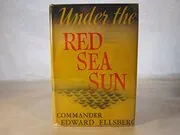
Under the Red Sea Sun
by Edward Ellsberg
1946
Sent to Massawa after the Italians leave the harbor choked with wrecks, Ellsberg must rebuild a working port with scant gear and almost no support. It is a vivid wartime memoir of salvage work, improvisation, and brutal Red Sea heat.

No Banners, No Bugles
by Edward Ellsberg
1949
In North Africa during Operation Torch, Ellsberg is tasked with clearing wrecked harbors and keeping the Allied advance moving. The memoir mixes engineering drama, wartime pressure, and his sharp account of how bureaucracy can be as dangerous as enemy action.
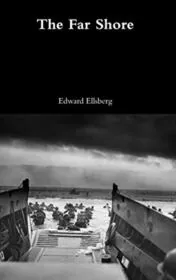
The Far Shore
by Edward Ellsberg
1959
Ellsberg follows the huge engineering effort behind D-Day, from artificial harbors and invasion planning to the chaos off Omaha Beach. It is a firsthand look at how victory depended on logistics, nerve, and a lot of unglamorous work at sea.
Under the Red Sea Trilogy books in chronological order
Series background & context
The Under the Red Sea Trilogy is really one long World War II story told in three stages: Under the Red Sea Sun, No Banners, No Bugles, and The Far Shore. The through line is Edward Ellsberg himself, a salvage officer and engineer who keeps getting sent to places where the Allies urgently need a harbor opened, a wreck raised, or an impossible plan made practical. If you read the books in order, you watch the war move from the Red Sea to North Africa and then to Normandy.
The first book, Under the Red Sea Sun, drops Ellsberg into Massawa, on the Red Sea coast of Eritrea, after the Italians leave the port jammed with scuttled ships, broken machinery, and sabotage. The setting matters because this is not just scenery. The port is a lifeline, and if it stays blocked, ships, repairs, fuel, and whole campaigns get harder. Ellsberg has little equipment, little time, and almost no patience for bureaucracy, so the book mixes engineering problem-solving with heat, exhaustion, and the daily grind of making a base work again.
These are war books, but not the usual kind.
In No Banners, No Bugles, the scene shifts to North Africa during Operation Torch. Ellsberg is now trying to clear and repair harbors in support of the Allied push after the landings, especially around Oran and the western Mediterranean. The tension here is broader than a single salvage job. He has to deal with damaged ports, torpedoed ships, confused chains of command, and the constant feeling that if the harbor does not function, the whole offensive slows down. The enemy is not only the Axis. It is delay, shortage, bad planning, and human stubbornness.
The final book, The Far Shore, moves to the preparations for D-Day and the fragile days just after the landings. This is where the trilogy becomes less about pulling wrecks off the bottom and more about the huge logistical puzzle of getting men and material safely onto the coast of France. Ellsberg writes about the Mulberry harbors and the practical side of invasion planning, then brings readers close to the beaches and surf where all that planning meets chaos. The scale gets bigger, but the basic drama stays the same: somebody has to make the machinery of war actually work.
What ties the trilogy together is tone. Ellsberg writes in a direct, personal way, with plenty of detail about ships, divers, pumps, cables, docks, and broken systems, but he never loses the human side. His crews are tired, resourceful, argumentative, funny, brave, and sometimes reckless. Across all three books, the real stakes are simple to understand. Can this harbor open in time? Can this wreck be moved? Can the next operation happen before the window closes? If you like war memoirs, sea stories, or books about people solving physical problems under pressure, this trilogy has a lot to offer.










Edited by
Software engineer whose passion for tracking book recommendations from podcasts inspired the creation of MRB.
Lead investor at 3one4 Capital whose startup expertise and love for books helped shape MRB and its growth.
Comments
Did we miss something? Have feedback?
Help us improve this page by sharing your thoughts