
Truman Capote Books in Order
Explore Truman Capote's books in order, with brief summaries, story collections, author background, and tips on the best place to start reading his work.
Last updated:
As an Amazon Associate, we earn from qualifying purchases (at no extra cost to you).
Truman Capote books in publication order
30 books
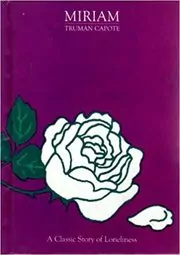
Miriam
by Truman Capote
1944
An aging widow living alone in New York meets a strangely knowing little girl who shares her name and refuses to go away. Their eerie encounters turn everyday loneliness into a haunting study of doubles, sanity, and the things we invite into our lives.
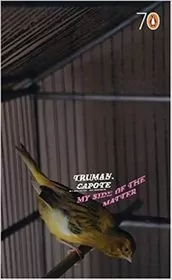
My Side of the Matter
by Truman Capote
1945
Told by a comically outraged young husband, this story recounts his disastrous move into a Southern household ruled by two formidable aunts-in-law. His self-pitying version of events makes the domestic warfare both sharply observed and very funny.
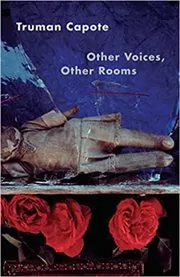
Other Voices, Other Rooms
by Truman Capote
1948
Capote’s debut novel follows thirteen-year-old Joel Knox, sent to a decaying Mississippi mansion to meet the father who abandoned him. Amid eccentric relatives, ghostly rumors, and a fierce tomboy friend, he begins to accept his own desires in a lush Southern-Gothic coming-of-age tale.
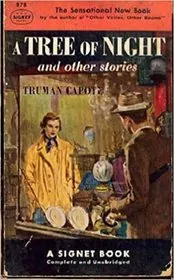
A Tree of Night
by Truman Capote
1949
After her uncle’s funeral, a college student boards a winter night train and finds herself trapped opposite a grotesque woman and her mute companion. What begins as awkward small talk deepens into a surreal encounter that awakens childhood terrors.
Jug of Silver
by Truman Capote
1949
In a small Southern town, a gaunt farm boy becomes obsessed with winning a store’s guessing contest by calculating the coins in a glass jug. His fierce hope—and the town’s curiosity—turn this simple game into a tender study of dreams and disappointment.

A Christmas Memory
by Truman Capote
1956
This stand-alone edition presents Capote’s beloved holiday tale of Buddy and his elderly cousin as they gather pecans, buy bootleg whiskey, and bake fruitcakes for an unlikely list of recipients. It captures a brief, shining season before their world changes.
The Grass Harp
by Truman Capote
1956
Orphaned Collin Fenwick moves in with two elderly cousins and joins them when they flee to a treehouse overlooking their Southern town. Their retreat becomes a quiet rebellion against gossip and greed, and a meditation on friendship, forgiveness, and growing up.
The Duke in His Domain
by Truman Capote
1957
An extended profile of Marlon Brando written while he was filming in Kyoto, this piece catches the young star alone in his hotel room. Capote reveals a restless, self-critical actor wrestling with fame, family history, and the roles he plays off-screen.
The Muses are Heard
by Truman Capote
1957
This nonfiction narrative follows an American opera company taking Porgy and Bess to the Soviet Union in the 1950s. Capote captures visa delays, staged hospitality, backstage nerves, and cultural misunderstandings with dry humor and a keen sense of Cold War tension.
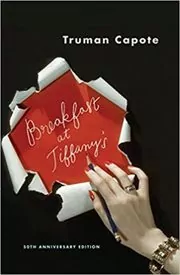
Breakfast at Tiffany's
by Truman Capote
1958
Narrated by a struggling writer looking back on 1940s Manhattan, this novella traces his fascination with neighbor Holly Golightly, an unpredictable party girl who lives off rich men yet longs for a sense of home. Glamour, danger, and quiet sadness mingle in her story.
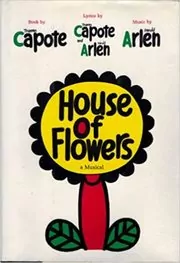
House of Flowers
by Truman Capote
1958
Set between a Port-au-Prince brothel and the Haitian hills, this story follows Ottilie, a young prostitute who chooses a poor country boy’s love over the bright lights of the city. Jealousy, superstition, and family pressure test whether that love can truly last.
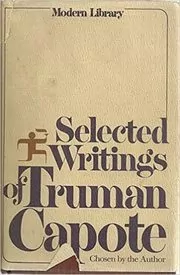
Selected Writings
by Truman Capote
1963
This anthology offers a broad sampling of Capote’s work, pairing stories from A Tree of Night and Breakfast at Tiffany’s with travel sketches and reportage. It also includes The Muses Are Heard and his memorable portrait of Marlon Brando, The Duke in His Domain.
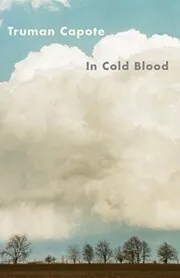
In Cold Blood
by Truman Capote
1965
Capote’s nonfiction novel reconstructs the 1959 murder of the Clutter family in rural Kansas, following the investigation and the lives of killers Perry Smith and Dick Hickock. Combining immersive reporting with novelistic detail, it helped define the modern true crime book.
Recommended by
3 people Ben Shapiro recommended this book
Ben Shapiro
"Truman Capote's best book. It's a really, really good book." - Ben Shapiro
Ben Shapiro's recommendation of this book  Sam Harris recommended this book
Sam Harris
"If you just want to forget about the future and lose yourself in the book that forever changed how narrative nonfiction is written, read [this book]." - Sam Harris
Sam Harris's recommendation of this book  Tim Draper recommended this book
Tim Draper
"My [mother] recommended [this book]." - Tim Draper
Tim Draper's recommendation of this book
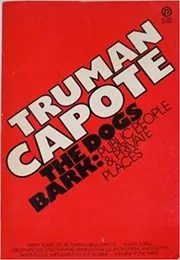
The Dogs Bark
by Truman Capote
1973
The Dogs Bark gathers three decades of Capote’s essays, travel pieces, and reminiscences. Moving from New Orleans streets to European cafés and Hollywood sets, he sketches friends, celebrities, and chance acquaintances in quick, observant vignettes.
Grass Harp
by Truman Capote
1974
This printing presents Capote’s short novel about Collin, his two eccentric cousins, and the treehouse they retreat to above their Southern town. Part fable, part family drama, it celebrates loyalty, imagination, and the right to live life a little sideways.
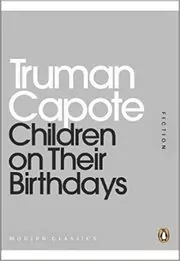
Children On Their Birthdays
by Truman Capote
1976
When the glittering ten-year-old Miss Bobbit steps off a bus into a sleepy Alabama town, she bewilders both children and adults with her poise and ambition. A single year of crushes, schemes, and jealousies builds toward a startling, bittersweet conclusion.
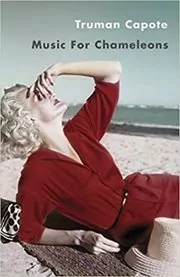
Music for Chameleons
by Truman Capote
1980
A late-career collection that blends short stories, a book-length crime narrative, and conversational portraits of maids, criminals, and movie stars. The pieces move between Southern unease and cool reportage, showing how far Capote could stretch his voice.
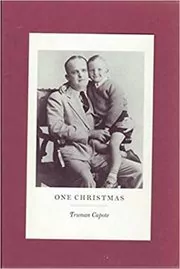
One Christmas
by Truman Capote
1982
In this companion to A Christmas Memory, a young boy leaves his Alabama cousins to spend the holidays with the charming but unreliable father he scarcely knows in New Orleans. Their uneasy visit slowly becomes a fragile first attempt at real connection.
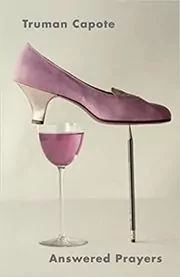
Answered Prayers
by Truman Capote
1986
Published posthumously and left unfinished, this novel follows a hustling writer moving through the apartments, yachts, and bars of wealthy New York society. Thinly disguised socialites and scandal sit alongside sharp, often unforgiving portraits of class, loneliness, and ambition.
I Remember Grandpa
by Truman Capote
1987
Written early in Capote’s career, this gentle story follows a boy leaving his grandparents’ West Virginia farm for a new life in the city. Remembered conversations and a snow-covered farewell capture the ache of growing away from childhood.
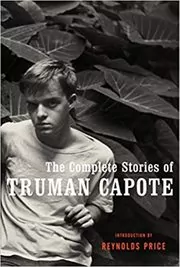
The Complete Stories
by Truman Capote
1993
A single volume of Capote’s short fiction, from eerie early tales like Miriam and A Tree of Night through later pieces such as A Christmas Memory and One Christmas. It lets readers watch his style shift from Southern shadows to crisp urban observation.

The Complete Stories of Truman Capote
by Truman Capote
1993
A comprehensive gathering of Capote’s stories, arranged from his apprentice pieces through late works like Mojave and One Christmas. In one volume it spans gothic trains, haunted apartments, bright Manhattan mornings, and reflective holiday memories.
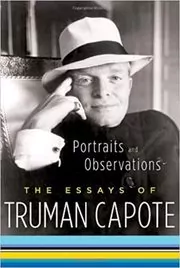
Portraits and Observations
by Truman Capote
1995
Capote’s collected essays and reportage trace his life as an observer of the twentieth century. From city sketches and travel pieces to long profiles and true-crime narratives, he writes about artists, socialites, and strangers with the same careful attention.
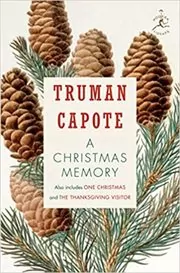
A Christmas Memory
by Truman Capote
1996
This autobiographical story recalls a boy called Buddy and his elderly cousin in Depression-era Alabama as they save pennies, bake fruitcakes, and share one last Christmas together. It’s a quiet portrait of friendship, poverty, and the bittersweet pull of memory.
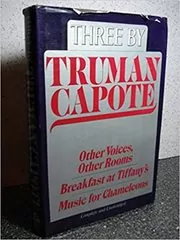
Three by Truman Capote
by Truman Capote
2000
An omnibus volume bringing together the Southern-Gothic novel Other Voices, Other Rooms, the Manhattan novella Breakfast at Tiffany’s, and the hybrid collection Music for Chameleons. It’s an efficient way to see three very different phases of his career.
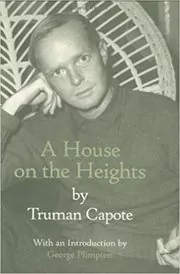
A House on the Heights
by Truman Capote
2002
This memoir of Brooklyn Heights in the 1950s finds Capote describing the townhouse where he rented rooms and the streets he wandered. He recalls neighbors, shops, and river views while quietly noting that this was where he wrote some of his major books.
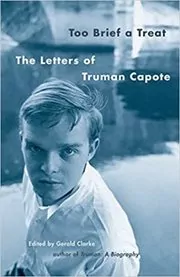
Too Brief a Treat
by Truman Capote
2004
Collecting Capote’s letters from his teens through his final years, this book offers an unvarnished view of his private life. Gossip, literary ambition, travel, and self-doubt run through the correspondence, charting his rise and later struggles in his own words.
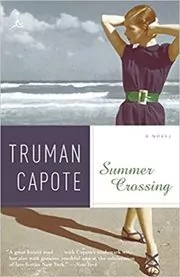
Summer Crossing
by Truman Capote
2005
Set in sweltering 1945 New York, this early novel follows Grady McNeil, a rich seventeen-year-old who stays behind when her parents sail for Europe and secretly falls for Clyde Manzer, a Jewish parking-lot attendant. Their affair pushes her toward a reckless, life-altering choice.

Breakfast at Tiffany's and Three Stories
by Truman Capote
2012
This volume pairs Breakfast at Tiffany’s with three shorter pieces: House of Flowers, A Diamond Guitar, and A Christmas Memory. Together they showcase Capote’s range, from Manhattan café society to Caribbean bordellos and a rural boyhood Christmas.
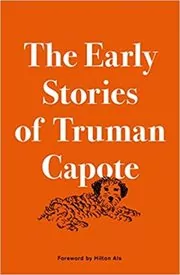
The Early Stories of Truman Capote
by Truman Capote
2015
Drawn from manuscripts rediscovered in an archive, these fourteen early stories show Capote experimenting in his teens and twenties. Southern towns, New York boardinghouses, and uneasy children recur as he learns to turn loneliness and cruelty into concise, memorable fiction.
Where to start with Truman Capote
If you want his definitive true crime: In Cold Blood → Music for Chameleons.
If you prefer stylish New York fiction: Breakfast at Tiffany's → Breakfast at Tiffany's and Three Stories.
If you’re drawn to Southern coming-of-age tales: Other Voices, Other Rooms → The Grass Harp.
If you like short stories and holiday pieces: A Christmas Memory → One Christmas → The Complete Stories.
If you want a one-volume sampler: Three by Truman Capote → Portraits and Observations.
Truman Capote collections, short stories, and related book types
Short Stories/Novellas
Plays
Collections
Non-Fiction
Standalone Truman Capote books
Author bio
Truman Capote was born Truman Streckfus Persons on September 30, 1924, in New Orleans, Louisiana, and grew up shuttling between that city and small‑town Alabama. He became known for his sharp eye, distinctive voice, and his ability to turn private worlds into unforgettable stories.
After his parents’ turbulent marriage collapsed, Capote was sent to live with elderly cousins in Monroeville, Alabama. There he formed a close bond with his cousin Nanny Rumbley 'Sook' Faulk, who later inspired the character in A Christmas Memory, and he befriended a neighboring girl, Harper Lee. The mix of abandonment and fierce attachment in that house shaped his lifelong fascination with outsiders and gifted, odd children.
As a teenager he rejoined his mother and her new husband, José 'Joe' Capote, in New York City and took their surname. He bounced through several schools in Manhattan and Connecticut, writing for student magazines but ignoring classes that did not interest him. Determined to skip college, he left formal education behind and, at seventeen, talked his way into a copyboy job at The New Yorker.
The magazine job mostly meant sorting cartoons and clipping newspapers, but it immersed him in literary New York. Soon he left to write full‑time, publishing stories such as 'Miriam' and 'My Side of the Matter' in major magazines. By his mid‑twenties he had won an O. Henry Award and secured a book contract.
His first novel, Other Voices, Other Rooms (1948), drew on his Southern childhood in a dreamlike story about a boy searching for his absent father in a crumbling Mississippi mansion. It established him as a new voice in Southern Gothic writing and hinted at the queer themes he would explore more openly later. He followed it with works like A Tree of Night, The Grass Harp, and the autobiographical holiday tale A Christmas Memory.
Then came the books that made him famous far beyond the literary world: Breakfast at Tiffany's and In Cold Blood.
In the slim Manhattan novella Breakfast at Tiffany's (1958), a young writer watches his neighbor Holly Golightly drift through late‑night parties, prison visits, and half‑kept promises, all while hiding a bruised past. Less than a decade later, Capote plunged into the Kansas murder case that became In Cold Blood, visiting the town of Holcomb with his childhood friend Harper Lee, interviewing townspeople and the two killers for years. The finished book reads like a novel but sticks closely to the facts, and it changed both true‑crime writing and Capote’s own life, bringing enormous fame along with emotional strain.
Capote spent the rest of his career moving between fiction, reportage, and memoir. Collections such as Music for Chameleons and essay volumes later gathered in Portraits and Observations show him writing about maids, movie stars, small Southern churches, and chic New York parties with the same attentive eye. He also chipped away at his unfinished social novel Answered Prayers, whose early excerpts angered many of the high‑society friends he had once charmed.
Underneath the glitter, his work kept circling the same concerns: loneliness, performance, and the cost of wanting to belong.
Capote lived for many years with novelist Jack Dunphy, splitting time between New York and houses on Long Island and in Europe. As the 1970s wore on, his drinking and drug use worsened, and his writing life grew more erratic. He died in Los Angeles on August 25, 1984, at the age of fifty‑nine, but readers still come to his books for their clean sentences, sharp character sketches, and the sense that even the most self‑invented lives hide vulnerable truths.


Edited by
Software engineer whose passion for tracking book recommendations from podcasts inspired the creation of MRB.
Lead investor at 3one4 Capital whose startup expertise and love for books helped shape MRB and its growth.
Comments
Did we miss something? Have feedback?
Help us improve this page by sharing your thoughts