
Total War Rome Books in Order
Part ofDavid Gibbins Books in OrderBrowse the Total War Rome series by David Gibbins in order, with short summaries, series background, and a quick guide to these Roman war novels.
Last updated:
As an Amazon Associate, we earn from qualifying purchases (at no extra cost to you).
Total War Rome books in publication order
2 books
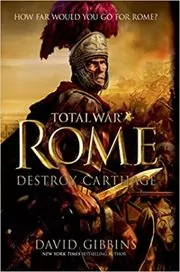
Destroy Carthage
by David Gibbins
2013
In the last decades of Rome's war with Carthage, legionary Fabius fights beside Scipio Aemilianus through battle, politics, and siege. The novel follows Rome's brutal path toward the destruction of its greatest rival.
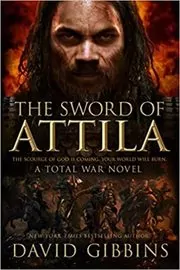
The Sword of Attila
by David Gibbins
2015
As the Western Roman Empire falters, young tribune Flavius and centurion Macrobius face Vandals, intrigue, and the advancing Huns. Their mission draws them toward Aetius, Attila, and a symbol of war that could decide Rome's fate.
Total War Rome books in chronological order
Series background & context
The Total War Rome books show David Gibbins working in a different register from the Jack Howard thrillers. These are historical war novels first and foremost. They were written in association with the Total War world, but they stand perfectly well on their own, and you do not need to know the games to follow them.
The first novel, Destroy Carthage, is set in the brutal final phase of Rome's struggle with Carthage. Through the eyes of the fictional legionary Fabius, the story follows the rise of Scipio Aemilianus and the long road toward the siege of Carthage in 146 BC. Gibbins uses real historical figures such as Cato and Hasdrubal, but the book stays close to the soldier's view of events, where politics, loyalty, and survival are never far apart.
These books are about war from the ground up.
The second novel, The Sword of Attila, jumps forward to AD 439, when the Western Roman Empire is fraying at the edges. Its central figures are the young tribune Flavius, the centurion Macrobius, and the general Aetius, all trying to hold something together while Vandals and Huns press in from different directions. The novel mixes campaign movement, intelligence work, frontier tension, and the looming presence of Attila, turning imperial decline into something immediate and personal.
What makes the pair feel like a series is not a shared hero but a shared approach. Gibbins takes enormous historical events, the fall of Carthage and the struggle against Attila, and filters them through characters who have mud on their boots and very limited control over what happens next. The result is more human than grand. You get strategy and politics, but you also get marches, walls, fear before battle, and the sense that history often turns because exhausted people keep going.
Rome feels powerful here, but never safe.
The tone is leaner and more martial than in the Jack Howard books. There is less puzzle-solving and more emphasis on leadership, siegecraft, cavalry, discipline, and the politics of survival inside a huge empire. If you want Roman fiction with momentum, plenty of action, and enough historical detail to make the setting feel lived in, this is the lane these novels stay in.


Edited by
Software engineer whose passion for tracking book recommendations from podcasts inspired the creation of MRB.
Lead investor at 3one4 Capital whose startup expertise and love for books helped shape MRB and its growth.
Comments
Did we miss something? Have feedback?
Help us improve this page by sharing your thoughts