
Toronto Trilogy Books in Order
Part ofRobertson Davies Books in OrderSee the Toronto Trilogy by Robertson Davies in order, with quick summaries, series background, and notes on how these linked late novels fit together.
Last updated:
As an Amazon Associate, we earn from qualifying purchases (at no extra cost to you).
Toronto Trilogy books in publication order
2 books
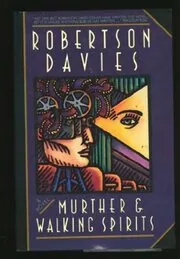
Murther and Walking Spirits
by Robertson Davies
1991
Murdered in the opening pages, Connor Gilmartin finds himself stuck in an afterlife film festival beside his killer. As he watches the lives of his ancestors unfold, Davies turns family history into a ghostly, slyly comic meditation on fate.
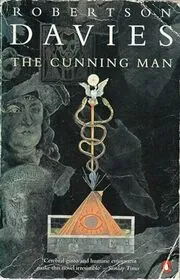
The Cunning Man
by Robertson Davies
1994
When a priest dies mysteriously at the altar on Good Friday, Toronto doctor Jonathan Hullah starts looking backward as much as forward. The result is a funny, searching novel about medicine, faith, friendship, and hidden motives.
Toronto Trilogy books in chronological order
Series background & context
The Toronto Trilogy is a slightly unusual Davies sequence because it is unfinished. The books we have are Murther and Walking Spirits and The Cunning Man, two late novels that share a Toronto setting and many of the same interests, even if they are not built like a tight, step by step trilogy.
What links them first is the city itself. This is old, layered Toronto, a place of churches, hospitals, newspapers, film people, scholars, and complicated families. Davies uses the city not as scenery but as a social web where private histories keep pressing against public life.
In Murther and Walking Spirits, Connor Gilmartin is killed almost at once and has to watch what comes next from the other side of death. The novel then opens out into a strange film festival in which he is shown the lives of his ancestors. That gives Davies room to move between ghost story, family chronicle, satire, and meditation on how identity gets handed down from one generation to the next.
The Cunning Man is more grounded on the surface, but only on the surface. Its narrator, Dr. Jonathan Hullah, is a Toronto physician whose nickname comes from his unusual gift for diagnosis and his refusal to see patients as bodies alone. When a priest dies at the altar on Good Friday, Hullah begins to look back over his own life, his circle of friends, and the moral puzzles that have followed him for years.
There are also quiet links between the books. Gil Gilmartin turns up again in The Cunning Man as Hullah's godson, which helps confirm that Davies meant these late Toronto novels to speak to one another. The connection matters because both books are interested in the same kinds of people: critics, doctors, priests, journalists, and other professional observers who are good at reading the world, but not always good at reading themselves.
That is the real tone of this series.
If you come here expecting a fast, plot driven urban saga, this is not quite it. These are reflective, witty, idea rich novels about memory, death, belief, medicine, and the stories people tell to make sense of themselves. Davies planned a third Toronto book but did not live to finish it. Even as it stands, the sequence has a distinct late style, looser, darker, more intimate, and very interested in the boundary between the visible world and whatever may be waiting just beside it.





Edited by
Software engineer whose passion for tracking book recommendations from podcasts inspired the creation of MRB.
Lead investor at 3one4 Capital whose startup expertise and love for books helped shape MRB and its growth.
Comments
Did we miss something? Have feedback?
Help us improve this page by sharing your thoughts