
Tom Bodett Books in Order
Explore Tom Bodett books in order, with quick summaries, audiobook notes, and where-to-start tips for his Alaska stories, novels, and essays.
Last updated:
As an Amazon Associate, we earn from qualifying purchases (at no extra cost to you).
Tom Bodett books in publication order
17 books
As Far As You Can Go Without A Passport
by Tom Bodett
1985
Bodett's first essay collection turns life in Homer, Alaska into dry, funny observations about fishing, chopping wood, lost socks, and the odd comforts of home. It's part travel sketch, part cabin-side conversation.
Small Comforts
by Tom Bodett
1987
In more casual essays from Alaska, Bodett writes about family life, work, gadgets, and the small embarrassments of everyday living. The humor is easygoing, but there's a thoughtful edge underneath it.

The End of the Road
by Tom Bodett
1989
Set in a tiny fictional Alaska town, these linked stories introduce Bodett's offbeat cast of mechanics, mayors, dreamers, and troublemakers. The humor is dry and local, but the book is really about how neighbors live in one another's pockets.
The Big Garage on Clear Shot
by Tom Bodett
1990
Back in End of the Road, Alaska, the town's garage is still the place where gossip, jokes, and hard-luck stories collect. These linked pieces follow quirky neighbors through romance, accidents, rebuilding, and the everyday drama of small-town life.
Last Decent Parking Place in North America
by Tom Bodett
1991
Another visit to End of the Road brings more small-town chaos, from Clara's coffee shop and a new city manager to Doug McDoogan's latest scheme. Bodett balances deadpan humor with real affection for people who can't quite stay out of trouble.
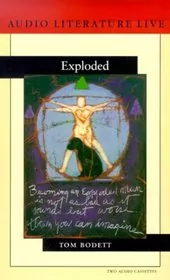
Exploded
by Tom Bodett
1993
This spoken-word collection circles around the moments that split a life into before and after. At its center is Bodett's account of being electrocuted in 1975, told with humor, shock, and a surprising amount of reflection.
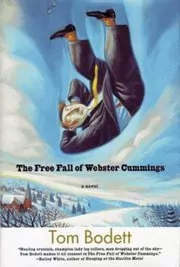
Free Fall of Webster Cummings
by Tom Bodett
1995
After surviving an impossible fall from an airplane, Boston statistician Webster Cummings starts hunting for his birth parents. The search sends him across the country into a web of families, accidents, and second chances.
Tom Bodett's American Odyssey: Peach Picking Time
by Tom Bodett
1995
The third American Odyssey volume pushes the threads closer together. Ed struggles after a Fourth of July accident, Norman gets a rough education in Seattle, and Webster heads to Alaska as the search for family turns more personal.
Tom Bodett's American Odyssey: The Great Divide
by Tom Bodett
1995
In this second American Odyssey installment, Bodett follows several drifting lives as they start to cross paths in the lower 48. Buddy learns hotel politics in Seattle, Norman lands on the Flannigan farm, and Webster gets another clue about his past.
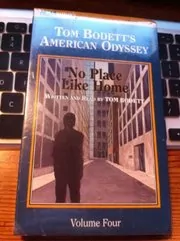
No Place Like Home
by Tom Bodett
1996
This fourth American Odyssey collection follows the same far-flung cast through pregnancies, road trips, family visits, and awkward reunions. The stories stay funny, but they also show how messy home and belonging can be.
Tom Bodett's American Odyssey: Ed's Fruits and Vegetables
by Tom Bodett
1996
By the fifth American Odyssey volume, the characters' separate lives are finally colliding. Webster, Ed, Buddy, Anthony, and the Deckers all edge toward the Flannigan farm, where family secrets and old connections start coming into view.
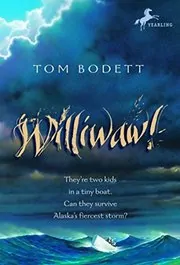
Williwaw!
by Tom Bodett
1999
When thirteen-year-old September Crane and her younger brother Ivan lose radio contact with their fisherman father, they break the rules and head across an Alaskan bay alone. One bad decision leads them into real danger, including the violent storm called a williwaw.
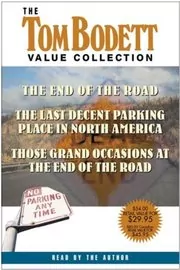
The Tom Bodett Value Collection
by Tom Bodett
2000
This audio collection bundles three End of the Road story sets into one package. It's a good sampler of Bodett's small-town humor, oddball neighbors, and stories that move easily from absurd comedy to quiet feeling.
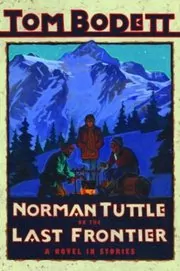
Norman Tuttle on the Last Frontier
by Tom Bodett
2004
Awkward, accident-prone Norman Tuttle is growing up in Alaska, and every step toward adulthood seems to come with a fresh disaster. Across linked stories, he deals with bullies, first love, family trouble, and a father he's still learning to understand.
Growing Up, Growing Old and Going Fishing at the End of the Road
by Tom Bodett
2009
Drawn from The Big Garage on Clear Shot, this collection revisits End of the Road through stories about kids, old-timers, fishing trips, and the ties that hold a remote town together. Funny scenes sit right beside loss and tenderness.
Old Fools and Young Hearts
by Tom Bodett
2009
Another End of the Road collection, this one spends more time with the town's regulars as they blunder through love, pride, and everyday trouble. Bodett keeps the tone light, but the people never feel like jokes.
The Better Part of the End of the Road
by Tom Bodett
2009
Bodett returns to his fictional Alaska town for another round of short, funny stories about its stubborn, strange, and very human residents. It works best as a quick visit with old favorites from the End of the Road world.
Where to start with Tom Bodett
For the classic End of the Road stories: The End of the Road → The Big Garage on Clear Shot → Last Decent Parking Place in North America
For personal essays and everyday humor: As Far As You Can Go Without A Passport → Small Comforts → Exploded
For a bigger connected novel: Free Fall of Webster Cummings
For younger readers: Williwaw! → Norman Tuttle on the Last Frontier
Standalone Tom Bodett books
Author bio
Tom Bodett was born in Champaign, Illinois, and raised in Sturgis, Michigan. A lot of people first know him by voice, but the voice only makes sense once you see the life behind it: practical work, small-town observation, and a habit of noticing the funny part of ordinary days.
As a young man, he headed to Alaska in 1976 looking for adventure and stayed for 23 years. He fished, built homes, and lived the kind of working life that later fed both his essays and his fiction. That Alaska stretch, especially around Homer, gave him the landscape and the people who would keep showing up in his work.
Writing came in through radio. Bodett started doing commentaries for Alaska public radio, and in 1984 made his national broadcasting debut on NPR's All Things Considered. Not long after that, the same dry, easygoing voice that worked on radio led to another long run, his Motel 6 ads, which began in 1986 and made him familiar to millions of listeners.
That plainspoken style became his signature.
His early books, especially As Far As You Can Go Without A Passport and Small Comforts, are collections of essays and comic pieces drawn from life in Alaska. He writes about chores, weather, family, work, gadgets, and the weird logic of daily life. Readers tend to like the way the humor stays low-key while the feelings stay real.
Then came the fictional Alaska town that many readers still connect with him most strongly. In The End of the Road and The Big Garage on Clear Shot, and later in Last Decent Parking Place in North America, Bodett builds a whole community out of mechanics, mayors, stubborn old-timers, teenagers, dreamers, and people with half-baked plans. The jokes matter, but so does the neighborliness.
His books make plenty of room for screwups.
Free Fall of Webster Cummings shows another side of him, using an almost absurd premise, a man surviving a fall from an airplane, to open up a search for family and belonging. For younger readers, Williwaw! and Norman Tuttle on the Last Frontier bring those same strengths into stories about Alaska kids facing weather, danger, first love, embarrassment, and growing up. He once said Williwaw! started with the thought of a perfectly normal kid having a perfectly normal day in a very strange place, which fits his work as a whole.
Bodett's career has never stayed in one lane for long. He hosted the radio shows The End of the Road and Bodett & Company, later hosted Travels on America's Historic Trails, and has been a regular panelist on Wait Wait... Don't Tell Me!. He has also done voice work for animation and documentaries, which makes sense if you've ever heard how much mileage he can get out of one calm sentence.
He now lives in Dummerston, Vermont. In recent years he has spent a lot of time woodworking and, in 2018, co-founded HatchSpace, a community workshop in Brattleboro. That feels right for him: a writer and radio man, yes, but also someone who has always liked making useful things with his hands.









Edited by
Software engineer whose passion for tracking book recommendations from podcasts inspired the creation of MRB.
Lead investor at 3one4 Capital whose startup expertise and love for books helped shape MRB and its growth.
Comments
Did we miss something? Have feedback?
Help us improve this page by sharing your thoughts