
Tim Sebastian Books in Order
Browse Tim Sebastian's books in order, with short summaries, Cold War thriller highlights, and clear advice on the best place to start for new readers.
Last updated:
As an Amazon Associate, we earn from qualifying purchases (at no extra cost to you).
Tim Sebastian books in publication order
12 books
Nice Promises
by Tim Sebastian
1985
Sebastian reports from Poland in the years around Solidarity, tracing how workers, priests, officials, and ordinary citizens lived through pressure, shortages, and unrest. It is sharp on daily life as well as political power.
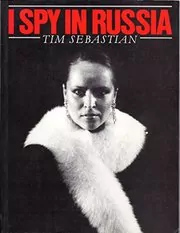
I Spy in Russia
by Tim Sebastian
1986
A brisk portrait of Soviet Russia, built from Sebastian's time reporting there. He looks past official slogans to the feel of Moscow streets, daily routines, and the watchful atmosphere that shaped late Soviet life.
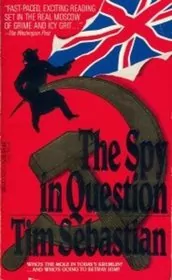
The Spy In Question
by Tim Sebastian
1988
A British mole reaches the Kremlin's inner circle, only to find that success makes him more vulnerable than ever. Set in a cold, distrustful Moscow, the novel turns espionage and bureaucratic rivalry into a deadly trap.
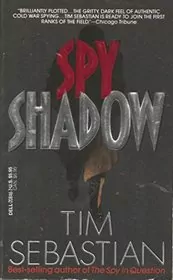
Spy Shadow
by Tim Sebastian
1990
James Tristram is sent into a Polish uprising and learns the mission hides a larger plot stretching from Warsaw to Moscow and London. To stop the bloodshed, he must outmaneuver hard-liners and a traitor much closer to home.
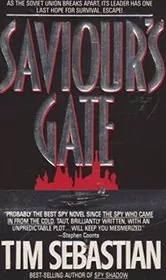
Saviour's Gate
by Tim Sebastian
1991
As the Soviet system starts to crack, a General Secretary secretly prepares to flee before a coup closes in. A British reporter-spy and a Kremlin insider are pulled into a bleak struggle between reform, reaction, and survival.
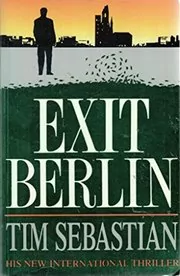
Exit Berlin/The Memory Church
by Tim Sebastian
1992
When the Berlin Wall falls, British agent James Martin discovers that East Germany's buried secrets are about to surface. Hunted across Berlin, London, and beyond, he races to uncover a mole before the old regime's files destroy the living.
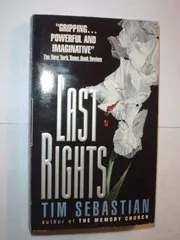
Last Rights
by Tim Sebastian
1993
Edward Bell is pulled into danger when stolen Soviet files and his mother's disappearance drag him from London back to Russia. The hunt exposes old lies, divided loyalties, and governments desperate to keep Cold War secrets buried.
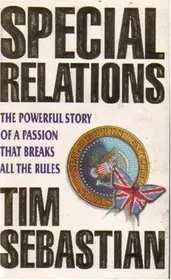
Special Relations
by Tim Sebastian
1994
A romance that began at Oxford turns dangerous when the two former lovers meet again as U.S. president and British prime minister. Sebastian uses their history to probe the uneasy mix of politics, secrecy, and the special relationship.

War Dance
by Tim Sebastian
1995
Colonel Tom Blake refuses to play by the rules when war criminals and politicians start circling each other in the Balkans. After an assassination threatens a fragile peace, he becomes both the hunter and the target.
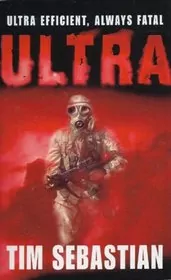
Ultra
by Tim Sebastian
1997
A hidden wartime massacre and two missing nerve-agent canisters pull a former Gulf War reporter into a dangerous American cover-up. The story mixes military secrecy, chemical weapons, and the ugly business of burying inconvenient truths.

Killing Time
by Tim Sebastian
2003
After Russian tycoon Sergei Rodin is gunned down, his Western-raised son Peter returns to Moscow and discovers the brutal world his father built. Grief, family loyalty, and the city's violent power struggles push him toward choices he once thought impossible.

Fatal Ally
by Tim Sebastian
2019
When a Russian asset's defection collapses in betrayal, MI6 officer Margo Lane is sent into a mission that reaches from Moscow to Syria. The deeper she goes, the harder it becomes to separate allied strategy from personal betrayal.
Where to start with Tim Sebastian
If you want the clearest place to begin: The Spy In Question → Spy Shadow → Saviour's Gate
If you like Berlin and Moscow intrigue: Exit Berlin/The Memory Church → Last Rights
If you want broader political suspense: Special Relations → War Dance → Ultra
If you want his later, darker fiction: Killing Time → Fatal Ally
If you want the reporting behind the novels: Nice Promises → I Spy in Russia
Tim Sebastian collections, short stories, and related book types
Non-Fiction
Standalone Tim Sebastian books
Author bio
Tim Sebastian was born in London on March 13, 1952, and went to Westminster School before studying modern languages at New College, Oxford. He later earned a diploma in journalism studies from Cardiff. He also speaks German and Russian, which turned out to be more than useful for the life he built.
Before the novels, there was reporting.
Sebastian began his career at Reuters in 1974, then moved to the BBC in 1979. He reported from Warsaw, became the BBC's Europe correspondent, then moved to Moscow, where he worked until he was expelled from the Soviet Union in 1985. Washington followed after that, along with more foreign reporting and a close-up view of how governments behave when pressure rises and the public story stops matching the private one.
That background runs straight into his fiction. His books are political thrillers, but they are not built around glamour or gadgetry. They are built around border crossings, nervous officials, compromised loyalties, and people who realize that one small decision can tilt a life, or a whole country, in a bad direction.
His first novel, The Spy In Question, appeared in 1988 and put a British mole inside the Kremlin's inner circle. Spy Shadow and Saviour's Gate followed, using the last years of the Cold War and the cracking Soviet system as live material rather than distant history. Readers who like spy fiction with real political weather in it usually respond to that right away. These books feel reported as much as imagined.
He knows the machinery from the inside.
Sebastian kept widening the frame after those early novels. Last Rights ties family history to buried Soviet secrets. Special Relations turns a past relationship between a British prime minister and an American president into a story about power, memory, and surveillance. War Dance and Ultra move into post-Cold War conflict, while Killing Time looks at violence and money in the new Russia. Much later, Fatal Ally returned him to espionage, this time in a world shaped by Moscow, Washington, and Syria.
Across those books, the same questions keep coming back. Who is really in control? What does loyalty mean when institutions are corrupt? How much damage can a government hide behind official language? Sebastian's thrillers are fast-moving, but they are also interested in conscience, and in the cost of staying decent when the system around you is not.
His television work made him widely known beyond the book world. He was the first presenter of HARDtalk, later founded and chaired the Doha Debates, and has continued interviewing political figures on Conflict Zone. That career also brought him a BAFTA Richard Dimbleby award and two Royal Television Society Interviewer of the Year wins.
He also wrote two nonfiction books, Nice Promises and I Spy in Russia, both closely tied to the places he reported from. That mix of journalism and fiction is really the key to him. Sebastian has spent decades listening to officials explain themselves, then testing the explanation. His novels carry that same habit of mind, sharp, skeptical, and very alert to the gap between what power says and what it does.









Edited by
Software engineer whose passion for tracking book recommendations from podcasts inspired the creation of MRB.
Lead investor at 3one4 Capital whose startup expertise and love for books helped shape MRB and its growth.
Comments
Did we miss something? Have feedback?
Help us improve this page by sharing your thoughts