
Thomas McGuane Books in Order
Browse Thomas McGuane books in order, with quick summaries, notes on his fiction and outdoors writing, plus simple advice on where to start reading.
Last updated:
As an Amazon Associate, we earn from qualifying purchases (at no extra cost to you).
Thomas McGuane books in publication order
23 books
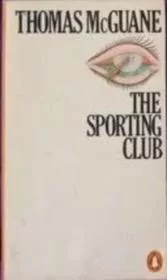
The Sporting Club
by Thomas McGuane
1968
At a Michigan hunting club, two old friends let a boyhood feud turn into sabotage, humiliation, and chaos. McGuane makes the rivalry funny, ugly, and oddly sad all at once.
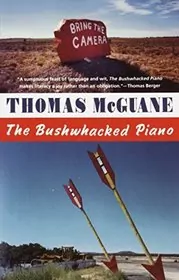
The Bushwhacked Piano
by Thomas McGuane
1971
Nicholas Payne, restless, broke, and hard to trust, throws himself into a manic pursuit of Ann Fitzgerald. His courtship turns into a comic road trip full of grifters, bad schemes, and American absurdity.
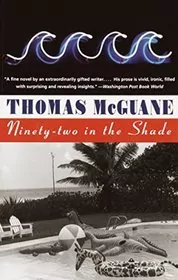
Ninety-two in the Shade
by Thomas McGuane
1973
Thomas Skelton returns to Key West hoping to become a fishing guide and straighten out his life. Instead, he drifts into a deadly rivalry with Nichol Dance, a local guide feared almost as much as he is admired.

The Missouri Breaks
by Thomas McGuane
1976
McGuane's screenplay for the 1976 Western pits horse thieves and a Montana rancher against a chilling hired regulator. The story is tough, strange, and full of frontier tension.
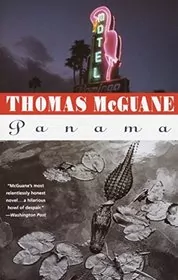
Panama
by Thomas McGuane
1978
Chester Pomeroy, a washed-up rock star in Key West, stumbles through drugs, family trouble, and a ruinous love obsession. The novel is wild, darkly funny, and always close to collapse.
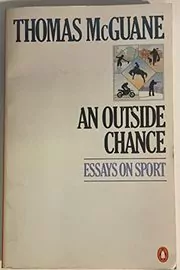
An Outside Chance
by Thomas McGuane
1980
This essay collection ranges through fishing, hunting, riding, and the odd rituals of the sporting life. McGuane writes less about winning than about obsession, skill, weather, solitude, and the people drawn back outdoors.
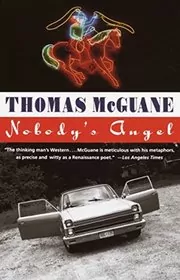
Nobody's Angel
by Thomas McGuane
1982
Patrick Fitzpatrick comes back to Montana as a former soldier, a cowboy, and a man coming apart. Family chaos, drink, and a dangerous new stallion push him deeper into trouble on a ranch that feels as wounded as he does.
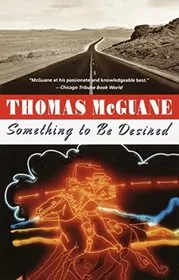
Something to Be Desired
by Thomas McGuane
1984
Lucien Taylor leaves his wife and son for an old flame, then bails her out after a murder charge and ends up stranded in Montana. What follows is a rueful story about bad judgment, longing, and second thoughts.

To Skin a Cat
by Thomas McGuane
1986
This collection shows McGuane in short form, writing about men in trouble, families under strain, and schemes that tilt toward disaster. The stories swing between deadpan comedy and sudden hurt without losing their nerve.
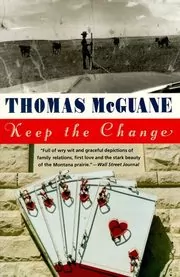
Keep the Change
by Thomas McGuane
1989
Joe Starling is failing at almost everything, art, ranching, love, and ordinary adult life. His attempt to change course becomes a funny, tender Montana novel about ambition, family, and finally growing up a little.
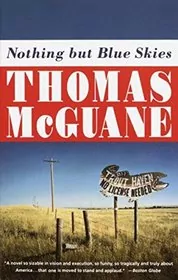
Nothing but Blue Skies
by Thomas McGuane
1992
When his wife leaves, Frank Copenhaver starts wrecking his business, chasing the wrong women, and losing his grip. McGuane turns his unraveling into a sharp, funny portrait of marriage, pride, and Montana reinvention.

The Best American Sports Writing 1992
by Thomas McGuane
1992
Edited and introduced by McGuane, this anthology gathers standout sports journalism from one year across many games and personalities. It shows how good sports writing can carry drama, style, and character well beyond the final score.
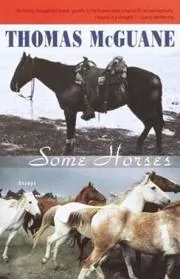
Some Horses
by Thomas McGuane
1999
In nine essays, McGuane writes about the horses and horsemen who taught him how to ride, work, and pay attention. The book is practical, affectionate, and full of respect for the bond between animal and rider.
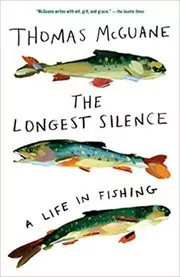
The Longest Silence
by Thomas McGuane
1999
These essays follow McGuane from Florida tarpon to Montana trout and beyond, tracing a lifetime in fishing. The book mixes travel, lore, technique, and reflection, with plenty of humor about the beautiful madness of anglers.
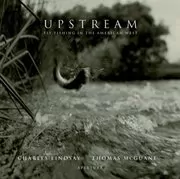
Charles Lindsay
by Thomas McGuane
2000
A collaboration with photographer Charles Lindsay, this book pairs striking images of Western rivers and anglers with McGuane's reflections on fly-fishing. It is part photo book, part meditation on water, solitude, and wild country.
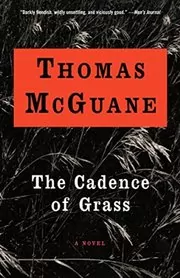
The Cadence of Grass
by Thomas McGuane
2002
After Sunny Jim Whitelaw dies, his will sets off a family fight over land, money, marriage, and loyalty in Montana cattle country. Evelyn Whitelaw stands at the center of the mess, trying to hold onto both dignity and ground.
Horses
by Thomas McGuane
2005
In this nonfiction volume, McGuane writes about horses with the close attention of a rider, rancher, and lifelong admirer. He blends observation, anecdote, and feeling to show why horses still shape work, sport, and imagination in the West.

Gallatin Canyon
by Thomas McGuane
2006
These ten stories move through Montana, Key West, Massachusetts, and Lake Michigan, where place shapes fate as much as character does. McGuane writes about seekers, failures, and families with dry humor and exact feeling.
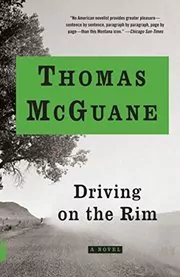
Driving on the Rim
by Thomas McGuane
2010
Berl Pickett, a doctor in Livingston, Montana, is blamed for the death of a former lover and shut out by his town. His crooked path forward is darkly funny, sad, and unexpectedly hopeful.

Crow Fair
by Thomas McGuane
2015
Set mostly in Montana, these stories follow lonely ranchers, drifters, families, and men who have waited too long to change. McGuane keeps the tone dry and humane, even when the damage runs deep.

The Refugee
by Thomas McGuane
2016
Errol Healy sails out from Key West to dodge the institutions meant to contain him, carrying grief, booze, and old ghosts aboard with him. This long story is lonely, feverish, and tense from the first page.

Cloudbursts
by Thomas McGuane
2018
This career-spanning collection brings together forty-five stories, including new and previously uncollected pieces. From Key West to Big Sky country, McGuane writes about outsiders, bad choices, family strain, and the stubborn urge to keep going.

A Wooded Shore: And Other Stories
by Thomas McGuane
2025
This later collection gathers nine stories about men on the edges of American life, in motels, fading towns, and shabby bars. McGuane writes with wit and regret about change, memory, and chances already slipping away.
Where to start with Thomas McGuane
If you want the early comic novels: The Sporting Club → The Bushwhacked Piano → Ninety-two in the Shade
If you want Montana fiction: Nobody's Angel → Nothing but Blue Skies → The Cadence of Grass
If you want short stories: Gallatin Canyon → Crow Fair → Cloudbursts
If you want the outdoors nonfiction: An Outside Chance → The Longest Silence → Some Horses
Thomas McGuane collections, short stories, and related book types
Short Stories/Novellas
Collections
Plays
Non-Fiction
Standalone Thomas McGuane books
Author bio
Thomas McGuane was born in Wyandotte, Michigan, on December 11, 1939, and grew up in Michigan, including Grosse Ile outside Detroit. He came from an Irish Catholic family, and a difficult relationship with his father would later echo through a lot of his fiction. Even as a kid, he liked the idea of a writer's life. By his mid-teens, he was already writing seriously.
School took him east and west, but the outdoors kept pulling just as hard. He attended Cranbrook, studied humanities at Michigan State University, earned an MFA at Yale, and later held a Stegner Fellowship at Stanford. Along the way he worked on a Wyoming ranch, fished hard, and picked up the firsthand knowledge of horses, rivers, and wide-open country that would stay in his books.
Then Montana stuck.
McGuane moved there in 1968, after early publishing success, and he has made Montana home ever since. Life on ranches and around rivers never sat off to the side of the writing. It helped shape the work, and it also kept him from becoming the kind of author who only knew books from the inside.
His early novels, The Sporting Club, The Bushwhacked Piano, Ninety-two in the Shade, and Panama, made his name. These are restless, funny, jagged books, full of men who talk big, want too much, and are usually one bad choice from disaster. Ninety-two in the Shade, set in Key West, was a National Book Award finalist and remains the book many readers start with because it is fast, dangerous, and unexpectedly sad.
Later, his fiction settled more fully into Montana without getting any calmer underneath. In Nobody's Angel, Nothing but Blue Skies, The Cadence of Grass, and Driving on the Rim, he writes about ranchers, doctors, drifters, failing marriages, inheritance fights, and families that love one another in crooked ways. The landscapes matter, but so do the grudges, jokes, and private humiliations. He is very good at people who are trying to behave like adults and not quite getting there.
Fishing never left the picture.
His nonfiction and stories show another side of the same mind. An Outside Chance, The Longest Silence, and Some Horses come out of a life spent fishing, riding, and paying close attention to skill, ritual, and weather. The collections Gallatin Canyon, Crow Fair, and Cloudbursts show how steady he is in shorter forms too. Readers often come to McGuane for the sentences, but they stay for the mix of dry humor, hard-earned tenderness, and people who are lonelier than they first appear.
He has also written for film, including The Missouri Breaks, and his life has crossed paths with Hollywood, Key West, and the literary world without ever quite settling into any one of them. That range helps explain why he ended up in the American Academy of Arts and Letters, the Fly Fishing Hall of Fame, and the National Cutting Horse Association Hall of Fame. It is an unusual set of memberships, but it fits him.
He lives on a ranch in McLeod, Montana. That feels like the right ending point for the story so far, because McGuane's books keep returning to the same big questions: how people live on the land, how men and women fail each other, and how humor can sit right next to loss.







Edited by
Software engineer whose passion for tracking book recommendations from podcasts inspired the creation of MRB.
Lead investor at 3one4 Capital whose startup expertise and love for books helped shape MRB and its growth.
Comments
Did we miss something? Have feedback?
Help us improve this page by sharing your thoughts