
Edna Ferber Books in Order
Browse Edna Ferber's novels, story collections, plays and memoirs in order, with quick summaries, Emma McChesney background, and simple guidance on the best books and autobiographies to read first.
Last updated:
As an Amazon Associate, we earn from qualifying purchases (at no extra cost to you).
Edna Ferber books in publication order
31 books
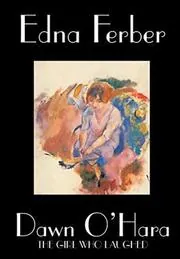
Dawn O'Hara
by Edna Ferber
1911
Ferber's debut novel follows Dawn O'Hara, a sharp-tongued New York reporter on the edge of collapse, who is sent back to her Michigan hometown, finds new work in Milwaukee, and slowly rebuilds her health, career, and capacity for love.
Roast Beef Medium: The Business Adventures of Emma McChesney
by Edna Ferber
1911
Introduces Emma McChesney, a stylish divorced mother who covers the Midwest as the lone woman selling Featherloom petticoats, matching wits with male salesmen, hotel clerks, and buyers while trying to be both top producer and attentive parent.

Buttered Side Down
by Edna Ferber
1912
Ferber's first major story collection offers twelve sharply observed tales about early twentieth century American life, many featuring working women and small-town outsiders who discover how quickly fortunes can flip and how much character matters when luck runs out.
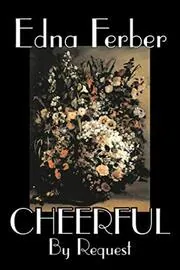
Cheerful, by Request
by Edna Ferber
1913
These Chicago-based stories focus on ordinary women and men facing work, marriage, and aging with a mix of stubborn grit and humor, from actresses and shopgirls to weary soldiers on leave, all written in Ferber's quick, unsentimental style.

The Woman Who Tried to Be Good and Other Stories
by Edna Ferber
1913
Anchored by the title story about a former 'bad' woman attempting respectability in a judgmental town, this collection gathers some of Ferber's best-known tales of middle-aged shopkeepers, restless husbands, and women weighing desire against reputation.
Personality Plus: Some Experiences Of Emma McChesney And Her Son, Jock
by Edna Ferber
1914
In this middle installment of the Emma McChesney stories, Emma moves from the road into the executive ranks while her charming son Jock launches an advertising career, testing how far charm, hustle, and inherited talent can carry a young man.
Emma McChesney and Co.
by Edna Ferber
1915
The final Emma McChesney volume finds Emma as a partner at the Featherloom company, taking sales trips as far as South America while juggling a grown son's career, a deepening bond with T. A. Buck Jr., and her hard-won professional independence.

Fanny Herself
by Edna Ferber
1917
In this portrait of a driven young Jewish woman, Fanny Brandeis leaves her small Midwestern town for Chicago, rises in a department store business, and wrestles with how to succeed in commerce without losing her imagination or her community ties.

$1200 A Year
by Edna Ferber
1920
This three-act comedy centers on Paul and Jean Stoddard, a young faculty couple living on a twelve-hundred-dollar salary in a college-town flat, juggling bills, social expectations, and big ambitions as they wonder what kind of life they can afford.

The Girls
by Edna Ferber
1921
Three generations of unmarried women named Charlotte Thrift navigate work, money, friendship, and family duty in Chicago from the Civil War through World War I, exploring what it costs women to choose independence over the security of conventional marriage.
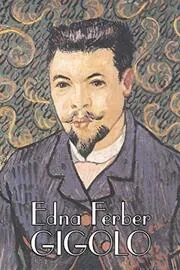
Gigolo
by Edna Ferber
1922
This short story collection, written in the early 1920s, looks past Jazz Age sparkle to the private lives of mechanics, actors, aging parents, and uneasy spouses, revealing quiet disappointments and small acts of bravery behind ordinary American facades.

So Big
by Edna Ferber
1924
This Pulitzer Prize winning novel tells the story of Selina Peake De Jong, a widowed farm woman near Chicago who raises her son on a truck farm and insists that beauty and integrity matter more than comfort or quick money.
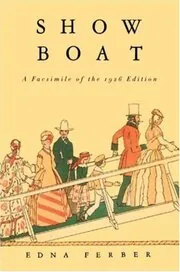
Show Boat
by Edna Ferber
1926
Show Boat chronicles three generations of performers on the Cotton Blossom, a floating theater on the Mississippi, weaving river life, family drama, and America's shifting attitudes toward race into a richly detailed story that moves from boat deck to big city.
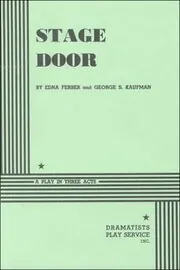
Stage Door
by Edna Ferber
1926
Set in a New York boardinghouse for actresses, this play follows a crowded cast of hopefuls and has-beens as they chase roles, scrape up rent, and decide how much they are willing to sacrifice for a career on the stage.

Mother Knows Best
by Edna Ferber
1927
This collection of novelettes centers on mothers and daughters whose ambitions collide, including the title story about a domineering stage mother who pushes her talented child toward stardom and discovers the emotional cost of controlling every choice.

Cimarron
by Edna Ferber
1929
Beginning with the Oklahoma land rush, Cimarron follows restless lawyer and newspaperman Yancey Cravat and his determined wife Sabra as they build a newspaper, a town, and a fraught marriage in a boom country scarred by racism and violence.

American Beauty
by Edna Ferber
1931
Set on a once-grand Connecticut farm, this multigenerational saga follows the proud Oakes family and the Polish immigrants who work their land, tracing love, resentment, and slow decline from the eighteenth century to the years after the stock market crash.

They Brought Their Women
by Edna Ferber
1933
This later story collection looks mostly at working New Yorkers, including cab drivers, shopgirls, nannies, and newly arrived immigrants, capturing long days, cramped rooms, and quick flashes of romance or rebellion in a city that rarely slows down.
Come and Get It
by Edna Ferber
1934
An ambitious lumberman in Wisconsin abandons the saloon singer who loves him to marry into money, only to become obsessed years later with her daughter, in a story that exposes both the romance and the ruthless cost of logging fortunes.

A Peculiar Treasure
by Edna Ferber
1939
Ferber's first autobiography recounts her Midwestern childhood, hard years as a young reporter, rapid success as a novelist, and growing alarm at antisemitism at home and abroad, linking one writer's life to the politics of the 1930s.
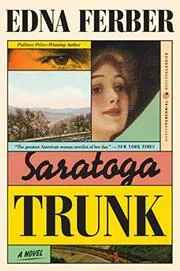
Saratoga Trunk
by Edna Ferber
1941
In this lush historical romance, Creole beauty Clio Dulaine returns to New Orleans to avenge her mother's mistreatment and schemes to marry into high society, even as her dangerous partnership with Texas gambler Clint Maroon pulls her toward another kind of future.
Great Son
by Edna Ferber
1944
Set in Seattle from its frontier days to World War II, Great Son traces four generations of the Melendy clan as wealth, restlessness, and war test a powerful matriarch, her ambitious son, and a grandson determined to chart his own course.

One Basket
by Edna Ferber
1947
One Basket gathers a group of Ferber stories about small-town respectability and big-city restlessness, highlighting women who test the limits of what their neighbors will accept and men who discover that success does not always look the way they expected.
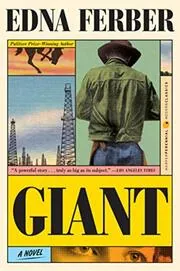
Giant
by Edna Ferber
1952
Spanning three decades on the vast Reata ranch, this novel follows Texas cattleman Bick Benedict, his outspoken Eastern wife Leslie, and their children as oil wealth, prejudice, and changing values reshape both their family and the land they rule.

Ice Palace
by Edna Ferber
1958
An ambitious Alaskan saga in which ruthless industrialist Czar Kennedy and idealistic newspaperman Thor Storm clash over the territory's future, while their spirited granddaughter Christine is pulled between them as Alaska edges toward statehood.
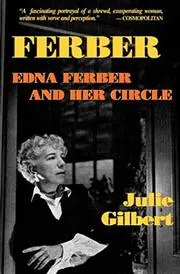
Ferber
by Edna Ferber
1978
A full-length biography that follows Edna Ferber from her Midwestern childhood through newsroom jobs, bestselling novels, Broadway collaborations, and Hollywood adaptations, drawing a detailed picture of the friendships, feuds, and working habits that shaped her long career.

Half Portions
by Edna Ferber
2010
These nine stories focus mostly on middle-aged women in small Midwestern cities, from a hardworking milliner to ambitious daughters and disappointed mothers, offering comic, sometimes bittersweet slices of everyday life just after World War I.
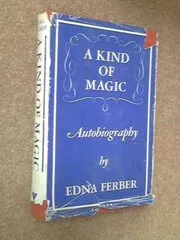
A Kind of Magic
by Edna Ferber
2013
Bestselling author Edna Ferber's second autobiography covers the years from 1939 to the early 1960s, blending personal memories with on-the-ground impressions of war, politics, travel, and the artists and friends who crossed her path.

The Homely Heroine
by Edna Ferber
2017
In this sly short story, a popular writer of glamorous romances is challenged to invent a plain, ordinary-looking heroine, forcing her to confront the gap between the women in her stories and the women she sees around her.

The Land Is Bright
by Edna Ferber
2019
Co-written with George S. Kaufman, this play follows the Kincaid family from ruthless nineteenth century railroad fortunes to the eve of World War II, where a new generation must decide whether patriotism and public service can redeem inherited wealth.

The Dancing Girls
by Edna Ferber
2021
The title story in this small collection paints a vivid picture of working-class girls in a midwestern town who dream of dancing away their troubles, joined by other tales of family strain, long-distance love, and quiet resilience.
Where to start with Edna Ferber
If you want her most famous novels: So Big → Show Boat
If you enjoy big American epics: Cimarron → Giant → Ice Palace
If you like witty working-woman stories: Roast Beef Medium: The Business Adventures of Emma McChesney → Personality Plus → Emma McChesney and Co.
If you prefer intimate character studies: Fanny Herself → The Girls → Great Son
If you are curious about Ferber herself: A Peculiar Treasure → A Kind of Magic
Edna Ferber sub-series and character series
Emma McChesney books in order
Explore this series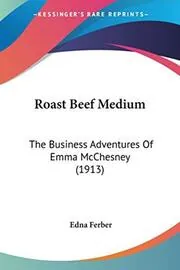
Roast Beef Medium: The Business Adventures of Emma McChesney
by Edna Ferber
1911Emma McChesney, Book 1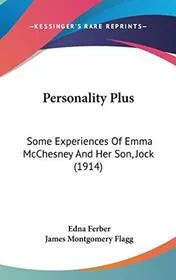
Personality Plus: Some Experiences Of Emma McChesney And Her Son, Jock
by Edna Ferber
1914Emma McChesney, Book 2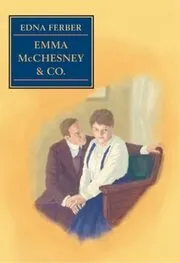
Emma McChesney books in chronological order
Roast Beef Medium: The Business Adventures of Emma McChesney
by Edna Ferber
1911Emma McChesney, Book 1Personality Plus: Some Experiences Of Emma McChesney And Her Son, Jock
by Edna Ferber
1914Emma McChesney, Book 2
Edna Ferber collections, short stories, and related book types
Short Stories/Novellas
Plays
Collections
American Biography Books
Non-Fiction Books
Standalone Edna Ferber books
Author bio
Edna Ferber was born in Kalamazoo, Michigan, in 1885 and spent her childhood on the move, trailing her parents from Chicago to Ottumwa, Iowa, and finally to Appleton, Wisconsin. Her father struggled to keep small dry-goods stores afloat while losing his eyesight. The family also met ugly antisemitism in Iowa, experiences she never quite forgot and later worked into her fiction.
In Appleton she finished high school and briefly attended nearby Lawrence University, but money ran out fast. Instead of college, she took a job at the local paper as a teenage reporter, then moved on to a bigger city desk in Milwaukee. She loved the rush of deadlines and night court assignments, worked herself sick, and finally collapsed with anemia in her early twenties.
Flat on her back at her parents' home, she started writing short stories to keep from going stir-crazy and discovered that the work she really wanted was on the page, not in the newsroom.
Those early stories became Buttered Side Down and the first Emma McChesney tales, about a divorced traveling saleswoman hauling a sample case across the Midwest. They gave readers a working woman who was funny, capable, and dead serious about earning a living. Within a few years Ferber published her first novel, Dawn O'Hara, followed by Fanny Herself, a semi-autobiographical story about a Jewish girl from the Midwest pushing into the Chicago business world.
In 1924 she wrote So Big, the quiet novel about a Dutch American farm widow near Chicago who raises a son and refuses to measure life by money alone. It won the Pulitzer Prize and turned Ferber into a national name. More panoramic books followed, each rooted in a specific slice of American life, from Show Boat on the Mississippi River to Cimarron on the Oklahoma frontier, Giant on a vast Texas ranch, and Ice Palace in pre-statehood Alaska. Many of them became major films or, in the case of Show Boat, a landmark musical.
At the same time she was writing for the stage, often in partnership with playwright George S. Kaufman. Together they created plays like The Royal Family, Dinner at Eight, Stage Door, and The Land Is Bright, which turned New York society, backstage life, and wartime politics into sharp, fast-moving drama. In New York she fell in with the Algonquin Round Table crowd, trading barbs at lunch with Dorothy Parker, Robert Benchley, and other writers who appreciated her dry, unblinking humor.
Ferber's stories nearly always center on people who do the work, not the people who give the orders. Shopgirls, actresses, traveling saleswomen, farmers' wives, oil-field hands, immigrant families, and Black and Native characters all appear in her books, often facing prejudice or condescension from those above them. She favored women who refused to stay in their expected place and used family sagas and big, crowd-pleasing plots to ask blunt questions about money, race, class, and belonging.
She was also outspoken about being Jewish at a time when antisemitism shaped both her childhood and world politics. Her first autobiography, A Peculiar Treasure, links her own rise from small-town reporter to bestselling novelist with the rise of fascism in Europe, while A Kind of Magic picks up the story around World War II and carries it into the early 1960s. Between the two books she appears everywhere, from Hollywood sets to war-battered Europe, always watching closely and taking notes.
Ferber never married and liked to joke that writing was her chief entanglement. She built a wide circle of friends instead, from actors to editors, and kept working even when illness made it difficult. One often-told story has her turning the fruit trees on a borrowed Park Avenue terrace into homemade jam, labeling the jars with a mock-farm address, which gives a sense of her mischief and pride in being a working woman from the Midwest. She died in New York City in 1968, leaving behind novels, plays, and stories that still read like vivid snapshots of the America she spent a lifetime observing.











Edited by
Software engineer whose passion for tracking book recommendations from podcasts inspired the creation of MRB.
Lead investor at 3one4 Capital whose startup expertise and love for books helped shape MRB and its growth.
Comments
Did we miss something? Have feedback?
Help us improve this page by sharing your thoughts