
Theodore Tate Books in Order
Part ofPaul Cleave Books in OrderFind the Theodore Tate books by Paul Cleave in order, with short summaries, series background, and where to start with this troubled Christchurch investigator.
Last updated:
As an Amazon Associate, we earn from qualifying purchases (at no extra cost to you).
Theodore Tate books in publication order
3 books
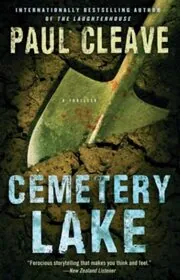
Cemetery Lake
by Paul Cleave
2008
Former cop turned private investigator Theodore Tate is present for an exhumation that goes badly wrong when the body in the coffin is not who it should be. The case pulls him toward buried secrets, police suspicion, and a killer still at large.
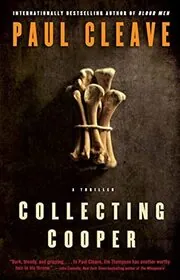
Collecting Cooper
by Paul Cleave
2011
Fresh out of prison, Theodore Tate is asked to help find a missing student he once nearly killed in a drunk-driving crash. The search leads to vanished people, a sinister collector, and buried horrors connected to a closed mental institution.
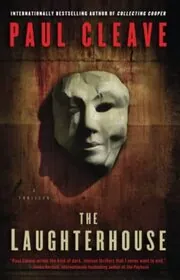
The Laughterhouse
by Paul Cleave
2012
A new killer targets people tied to Theodore Tate's first major case, the murder of a ten-year-old girl found in the Laughterhouse. To stop more deaths, Tate has to dig back into a case that may never have been solved cleanly.
Theodore Tate books in chronological order
Series background & context
The Theodore Tate books are a good place to start if you want Paul Cleave in detective mode. Tate is a former Christchurch cop who becomes a private investigator, and from the start he feels like a man trying to earn back something he may never fully recover. In Cemetery Lake, what looks like a routine exhumation opens into a case with the wrong body, buried secrets, and Tate's own past coming back at him.
Redemption is the engine here.
Cleave has described Tate as a man searching for redemption for unpleasant things he has done, and that tension runs through every book. Tate keeps getting pulled toward cases because his conscience will not leave him alone, even when walking away would be smarter. He is capable, stubborn, and decent in a rough-edged way, but he is never cleanly heroic.
These are not puzzle mysteries where the detective stands outside the action. The cases keep hitting Tate where he already hurts, in his reputation, his work, or his sense of what justice should look like. That gives the series a bruised, close-up feel, and it is a big part of why reading the books in order pays off.
Collecting Cooper pushes him further down. Fresh out of prison, Tate is asked to help find Emma Green, a missing student he once nearly killed in a drunk-driving crash. The investigation leads to disappearances, a closed mental institution, and some very ugly history. By The Laughterhouse, old casework and old guilt collide again when a killer starts targeting people tied to Tate's first major murder case.
Then Five Minutes Alone shifts the series back toward police work and turns the moral pressure up even further. Tate is back on the force, Carl Schroder is damaged in ways that affect every choice he makes, and the case centers on a vigilante helping rape victims take revenge on their attackers. It is the kind of setup Cleave likes best, morally messy, emotionally loaded, and impossible to solve without hurting someone.
One of the pleasures of reading these books in order is that the consequences stick.
Tate's past decisions do not vanish between novels, and the people around him remember. Christchurch does a lot of work too. Rain, graveyards, police offices, closed institutions, and ordinary suburban streets all feel tense in Tate's corner of the city. The tone is hard-edged and bleak, but not humorless, and Tate's long, complicated friendship with Schroder gives the series real weight.
The core Theodore Tate run is four books, and Tate later returns in the wider Christchurch world in The Pain Tourist. If you like investigators who are capable, compromised, and always one bad decision from making things worse, this is one of Cleave's strongest threads.




Edited by
Software engineer whose passion for tracking book recommendations from podcasts inspired the creation of MRB.
Lead investor at 3one4 Capital whose startup expertise and love for books helped shape MRB and its growth.
Comments
Did we miss something? Have feedback?
Help us improve this page by sharing your thoughts