
Theodore Sturgeon Books in Order
Explore Theodore Sturgeon books in order, from landmark novels to story collections, with concise summaries, reading guidance, and background for new readers.
Last updated:
As an Amazon Associate, we earn from qualifying purchases (at no extra cost to you).
Theodore Sturgeon books in publication order
54 books
Without Sorcery
by Theodore Sturgeon
1948
Sturgeon's first major story collection gathers early science fiction, fantasy, horror, and humor. These tales introduce his fondness for outsiders, startling premises, and moments when ordinary people discover that reality is much less stable than it looks.
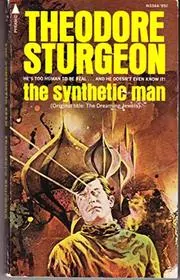
The Synthetic Man / The Dreaming Jewels
by Theodore Sturgeon
1950
Also published as *The Dreaming Jewels*, this novel follows abused young Horty Bluett after he runs away to join a carnival. There he finds friendship, danger, and mysterious alien crystals tied to a cruel showman.
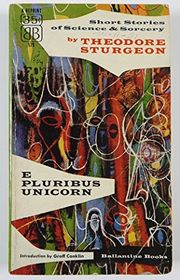
E Pluribus Unicorn
by Theodore Sturgeon
1953
This collection brings together stories from Sturgeon's strongest early period. The pieces range from alien encounters to moral fables, but they share a concern with loneliness, difference, and the possibility of finding common ground.
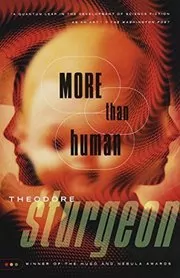
More Than Human
by Theodore Sturgeon
1953
A group of abandoned people with unusual mental abilities become a gestalt, one larger being made from several vulnerable parts. Their new kind of family may represent humanity's next step, but it still needs conscience.
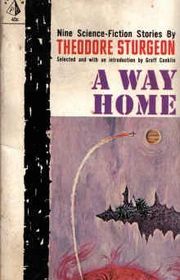
A Way Home
by Theodore Sturgeon
1955
This collection gathers tales of people searching for belonging after strange disruptions. Sturgeon mixes atomic-age fears, unusual powers, alien possibilities, and intimate relationships, always asking what it takes for someone to find a way back.
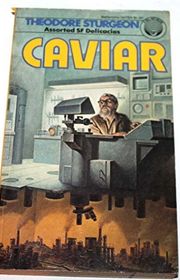
Caviar
by Theodore Sturgeon
1955
A varied collection of Sturgeon stories, including science fiction, fantasy, and quieter human dramas. The book shows his talent for moving from an odd premise to the emotional need, fear, or hope underneath it.
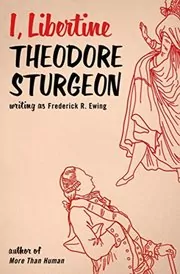
I, Libertine
by Theodore Sturgeon
1956
A playful historical novel created from a radio-show hoax and published under the name Frederick R. Ewing. It follows a roguish eighteenth-century adventurer through romance, intrigue, and deliberately overripe melodrama.
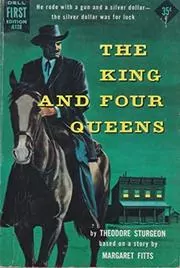
The King and Four Queens
by Theodore Sturgeon
1956
In this western film novelization, a drifter arrives at an isolated ranch guarded by four beautiful widows and a suspicious matriarch. A hidden fortune turns flirtation and curiosity into a dangerous game.
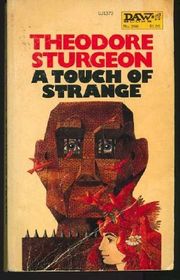
A Touch of Strange
by Theodore Sturgeon
1958
A collection of 1950s stories where familiar lives tilt into the uncanny. Sturgeon explores strange visitors, private desires, social taboos, and sudden changes that force his characters to see themselves more honestly.
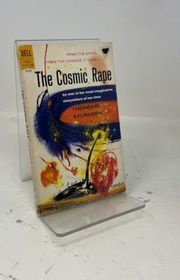
The Cosmic Rape
by Theodore Sturgeon
1958
An invading hive mind reaches Earth and begins absorbing humanity into a single vast consciousness. What starts as a terrifying loss of self becomes a troubling, expansive question about connection, evolution, and the future of the species.
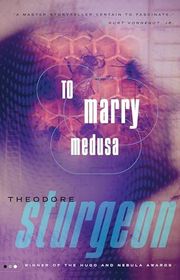
To Marry Medusa
by Theodore Sturgeon
1958
This edition centers on the linked narratives of *The Cosmic Rape*, in which a vast alien intelligence transforms life on Earth. It pairs cosmic-scale change with the intimate terror of losing, and remaking, the self.
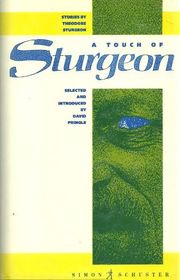
Touch of Sturgeon
by Theodore Sturgeon
1958
This posthumous selection offers a compact introduction to Sturgeon's short fiction. Its stories move through science fiction, fantasy, horror, and emotional drama, with unusual ideas serving as tests of compassion and human connection.
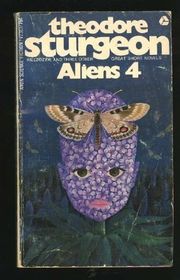
Aliens 4
by Theodore Sturgeon
1959
Four Sturgeon stories about alien contact and its unsettling effects on ordinary life. The collection favors emotional complications over simple invasion plots, asking whether humanity is ready for the strange things it wants to understand.
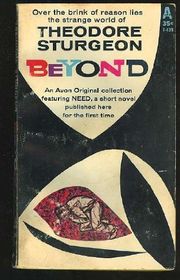
Beyond
by Theodore Sturgeon
1960
A short collection that travels beyond everyday reality through science fiction, fantasy, and horror. Sturgeon's characters meet impossible forces, but the real tension comes from what those encounters reveal about their desires and fears.
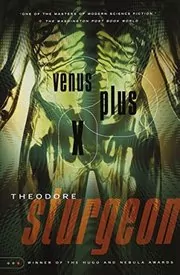
Venus Plus X
by Theodore Sturgeon
1960
A twentieth-century man is transported to Ledom, a distant society where gender roles have been erased. As he tries to understand its people, the novel presses him, and the reader, to examine inherited assumptions.

Not Without Sorcery
by Theodore Sturgeon
1961
A shorter version of *Without Sorcery*, this collection revisits Sturgeon's early stories of bizarre creatures, troubling transformations, and human vulnerability. It is a good snapshot of the pulp-era imagination he soon pushed in more personal directions.
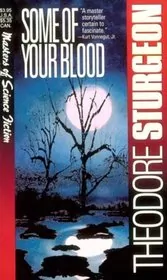
Some Of Your Blood
by Theodore Sturgeon
1961
Told through psychiatric files, letters, and testimony, this unsettling novel investigates a soldier with a violent past and a disturbing hunger. The case becomes a tense question of trauma, responsibility, and whether monsters can be human.
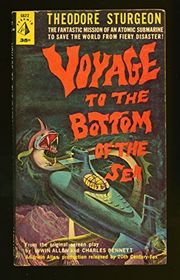
Voyage to the Bottom of the Sea
by Theodore Sturgeon
1961
This novelization sends the submarine Seaview beneath dangerous waters as a global crisis threatens the planet. Its crew must rely on nerve, engineering, and quick decisions while time runs out for everyone above the surface.
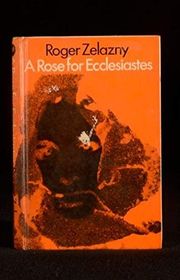
A Rose for Ecclesiastes
by Theodore Sturgeon
1963
A collection built around a celebrated science fiction tale of a human poet stationed on Mars. The stories blend alien cultures, longing, humor, and hard choices, with characters trying to reach across deep divides.
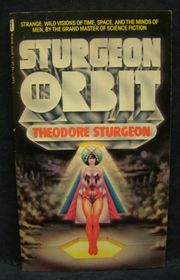
Sturgeon in Orbit
by Theodore Sturgeon
1964
This collection brings together five longer pieces of science fiction from Sturgeon's 1950s work. The stories travel through alien worlds, altered minds, and dangerous experiments while keeping close attention on personal stakes.
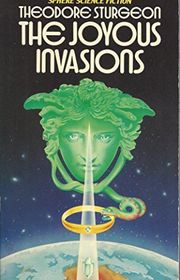
The Joyous Invasions
by Theodore Sturgeon
1965
Three longer stories explore invasion, transformation, and contact with the unknown. Sturgeon treats the alien not only as a threat, but as a force that exposes the limits of human fear, desire, and imagination.
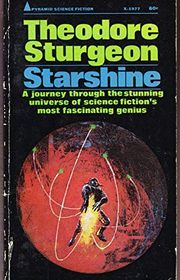
Starshine
by Theodore Sturgeon
1966
A collection of science fiction stories that balances cosmic settings with close human drama. These tales feature people confronted by strange knowledge, distant worlds, and choices that cannot be solved by technology alone.
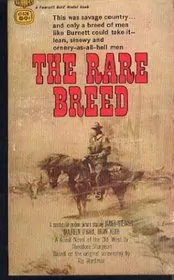
The Rare Breed
by Theodore Sturgeon
1966
This film novelization follows an Englishman who brings a prized Hereford bull to the American West. Cattlemen, gamblers, and rough country stand between him and proving that the animal can transform the range.

Amok Time
by Theodore Sturgeon
1967
This photo-illustrated *Star Trek* adaptation follows the Enterprise to Vulcan when Spock must answer a biological call he cannot resist. Kirk's attempt to save his friend leads into ritual, duty, and a dangerous personal confrontation.
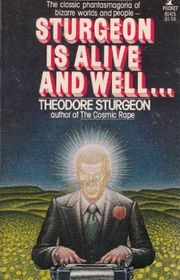
Sturgeon is Alive and Well
by Theodore Sturgeon
1971
This collection gathers later stories written after a quieter stretch in Sturgeon's career. The title is wry, but the fiction remains alert to love, alienation, social change, and the many surprising forms a human bond can take.
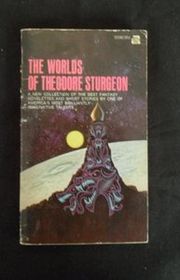
The Worlds of Theodore Sturgeon
by Theodore Sturgeon
1972
A broad retrospective selection of Sturgeon's stories, spanning science fiction, fantasy, and horror. It offers a tour of his recurring worlds, where outsiders meet the impossible and emotional understanding matters as much as any invention.
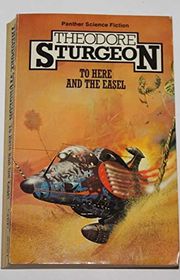
To Here and the Easel
by Theodore Sturgeon
1973
A collection of six Sturgeon stories that ranges beyond straightforward science fiction. The pieces bring together artists, dreamers, outsiders, and unsettling situations, showing his interest in how people cope when the familiar suddenly turns strange.
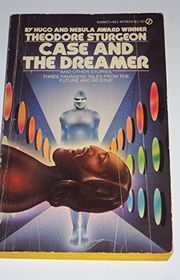
Case and the Dreamer and Other Stories
by Theodore Sturgeon
1974
This late collection contains three longer stories, including the title piece about an encounter with a being beyond normal space. Sturgeon blends speculative ideas with questions of love, identity, and what people owe one another.
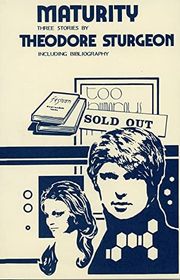
Maturity
by Theodore Sturgeon
1979
A small collection built around three stories from Sturgeon's middle years. The title tale and its companions explore growth, intimacy, and the ways extraordinary situations can expose whether a person is ready to change.
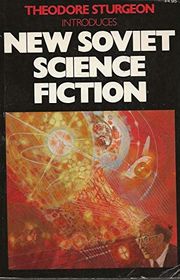
New Soviet Science Fiction
by Theodore Sturgeon
1979
An anthology edited by Sturgeon that introduces English-language readers to science fiction from Soviet writers. The selections offer varied visions of technology, society, space, and the future beyond the usual American genre traditions.
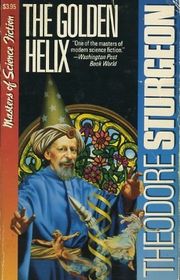
The Golden Helix
by Theodore Sturgeon
1979
This collection samples Sturgeon's short fiction across several decades. Its stories combine scientific speculation, dark humor, romance, and unease, with characters discovering that a new idea can rearrange their whole sense of self.
The Stars Are the Styx
by Theodore Sturgeon
1979
A later collection of Sturgeon stories that moves between cosmic speculation and intimate unease. The selections feature alien encounters, altered minds, strange visitors, and characters pushed to rethink what being human means.
Visions and Venturers
by Theodore Sturgeon
1979
A later gathering of Sturgeon stories about bold ideas and people willing, or forced, to follow them. The collection ranges across speculative adventure, alien contact, and the private costs of curiosity and change.
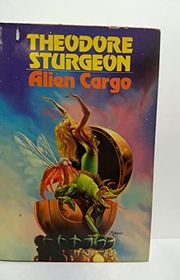
Alien Cargo
by Theodore Sturgeon
1984
One of Sturgeon's final collections, featuring stories from across his career. The cargo here is not just extraterrestrial, but emotional: alien encounters, strange bargains, and people carrying fears or hopes they cannot easily name.
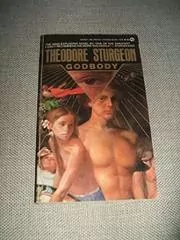
Godbody
by Theodore Sturgeon
1986
In this posthumous novel, a mysterious figure arrives in a small community and changes the emotional weather around him. Told through multiple viewpoints, the story asks what might happen if people were able to love without fear.
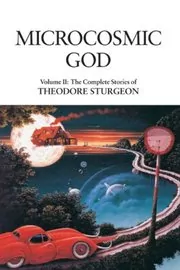
Microcosmic God
by Theodore Sturgeon
1995
This chronological collection covers Sturgeon's 1940 and 1941 stories. Its title tale follows a scientist whose tiny engineered race becomes the center of a ruthless struggle for control and profit.
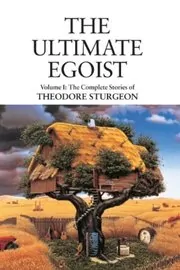
The Ultimate Egoist
by Theodore Sturgeon
1995
The opening volume of Sturgeon's complete short fiction collects work from 1937 to 1940. These early tales range from fantasy and horror to sharp little surprises, including the mud-born creature of “It.”
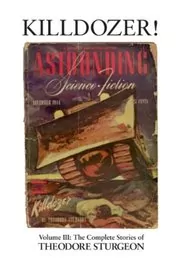
Killdozer!
by Theodore Sturgeon
1996
A volume of 1941 to 1946 short fiction featuring strange machines, alien dangers, and human beings under pressure. The title story traps a work crew with a bulldozer possessed by an ancient hostile force.
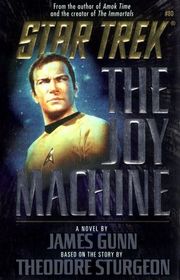
The Joy Machine
by Theodore Sturgeon
1996
Based on an unused Theodore Sturgeon story idea, this *Star Trek* adventure sends the Enterprise to a world ruled by a machine that offers perfect happiness. Kirk and his crew must uncover the cost of accepting its gift.
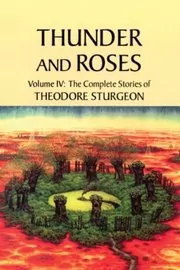
Thunder and Roses
by Theodore Sturgeon
1997
This collection gathers Sturgeon's postwar stories from 1946 to 1948. The tales move through atomic anxiety, unusual love, moral choices, and everyday people confronting changes they cannot easily explain.
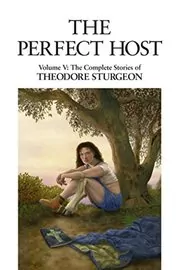
The Perfect Host
by Theodore Sturgeon
1998
Covering stories from 1948 to 1950, this volume pairs science fiction with psychological and supernatural pieces. Expect uneasy encounters, damaged relationships, and speculative premises that keep turning back to human needs.
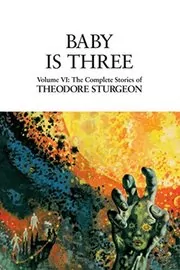
Baby is Three
by Theodore Sturgeon
1999
This early 1950s collection includes the title novella that became part of *More Than Human*. Its stories explore unusual abilities, fractured families, and the difficult work of becoming more than a solitary person.
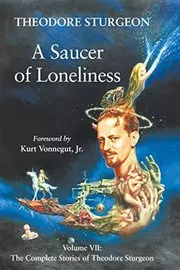
A Saucer of Loneliness
by Theodore Sturgeon
2000
A 1953 collection of stories about alien contact, isolation, sexuality, and the longing to be understood. The title tale centers on a woman whose strange encounter makes her both famous and profoundly alone.
Selected Stories
by Theodore Sturgeon
2000
A concise introduction to Sturgeon's range, collecting thirteen stories of alien contact, obsession, grief, desire, and transformation. It includes “The Man Who Lost the Sea,” a fragmented and moving tale of memory under extreme pressure.
Bright Segment
by Theodore Sturgeon
2002
This volume brings together stories from 1953 to 1955, plus two earlier rediscoveries. Sturgeon mixes intimate emotional stakes with odd science fictional situations, from encounters with the unknown to changes inside a family.
And Now the News
by Theodore Sturgeon
2003
Stories from 1955 to 1957 show Sturgeon working in science fiction, fantasy, satire, and social drama. The collection focuses on people facing disruptive ideas, private fears, and futures that do not behave as expected.

The Man Who Lost the Sea
by Theodore Sturgeon
2005
This collection covers Sturgeon's late 1950s work. Its title story follows a badly injured astronaut as memory and perception fragment around him, while other tales explore loss, intimacy, and strange forms of survival.
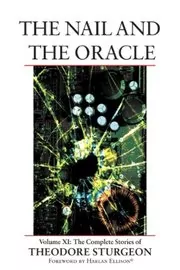
The Nail and the Oracle
by Theodore Sturgeon
2007
A collection of stories from 1961 to 1969, a period when Sturgeon wrote less often but kept testing new ideas. The pieces range from sharp speculative puzzles to unsettling studies of human behavior.
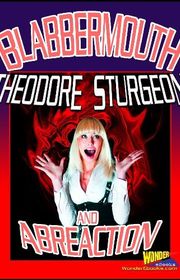
Blabbermouth and Abreaction
by Theodore Sturgeon
2009
A compact pairing of Sturgeon short fiction, bringing together offbeat characters and psychological tension. Both stories show his interest in the odd ways buried fear, memory, and social pressure can break into ordinary life.
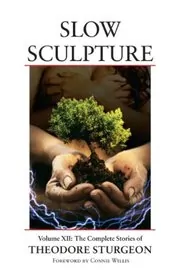
Slow Sculpture
by Theodore Sturgeon
2009
This late-career volume includes stories from the 1970s, led by the award-winning title novella. A troubled man discovers a healer with an impossible gift, forcing both of them to face pain, trust, and responsibility.
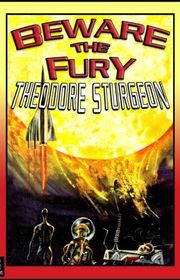
Beware the Fury
by Theodore Sturgeon
2010
This edition presents a dark piece of Sturgeon short fiction built around mounting danger and uneasy human motives. Expect a brisk, pulpy setup that becomes more interested in fear and consequence than simple spectacle.
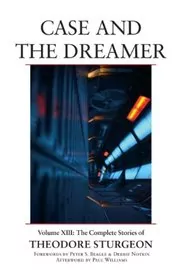
Case and the Dreamer
by Theodore Sturgeon
2010
The final volume of the complete stories gathers Sturgeon's work from 1972 to 1983, including unpublished pieces. These late tales return to love, illness, sexuality, and contact with beings beyond ordinary human experience.

One Foot and the Grave
by Theodore Sturgeon
2011
A short-fiction edition that leans into Sturgeon's macabre side. The story turns an apparently ordinary situation toward death, dread, and a grimly ironic payoff without losing his focus on vulnerable people.
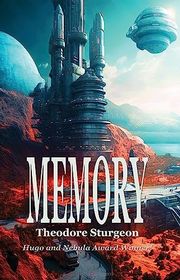
Memory
by Theodore Sturgeon
2023
A short, unsettling story about memory and the past refusing to stay buried. Sturgeon uses a speculative turn to make private regret and emotional damage feel immediate, strange, and difficult to escape.
Where to start with Theodore Sturgeon
For a first novel: More Than Human → The Dreaming Jewels → Venus Plus X
For psychological suspense: Some Of Your Blood → The Cosmic Rape → Godbody
For classic short fiction: Microcosmic God → A Saucer of Loneliness → Slow Sculpture
For dark, pulpy science fiction: Killdozer! → The Ultimate Egoist → The Man Who Lost the Sea
Theodore Sturgeon sub-series and character series
Star Trek Fotonovel books in order
Explore this seriesStar Trek Fotonovel books in chronological order
The Complete Stories of Theodore Sturgeon books in order
Explore this seriesThe Complete Stories of Theodore Sturgeon books in chronological order
Theodore Sturgeon collections, short stories, and related book types
Collections
Short Stories/Novellas
Standalone Theodore Sturgeon books
Author bio
Theodore Sturgeon was born Edward Hamilton Waldo on February 26, 1918, in Staten Island, New York. After his mother remarried, he took the surname of his stepfather, a teacher, and grew up largely in Philadelphia. Friends called him Teddy, which helped give him the first name he would use in print.
As a teenager, he hoped to become a circus acrobat, but rheumatic fever ended that plan. At seventeen he went to sea in the Merchant Marine, an experience that gave him material for later stories and took him far from a conventional writing life.
His first published story appeared in 1939. He wrote for pulp magazines, sometimes under the name E. Waldo Hunter, and developed a knack for making strange ideas feel personal. His output could be uneven, partly because long spells of writer's block interrupted his career, but he kept returning to fiction, television, criticism, and editing.
Sturgeon was especially at home in short fiction. Stories such as Microcosmic God, Killdozer!, A Saucer of Loneliness, and Slow Sculpture move from scientific puzzles and monsters to loneliness, desire, fear, and the need to belong. He could begin with a wild premise, then steer it toward the emotional cost for the people caught inside it.
His best-known novel, More Than Human, grew from the earlier story Baby Is Three. It follows isolated people with unusual abilities who become a gestalt, a group that functions as one larger mind. The book won the International Fantasy Award and remains a useful entry point for readers who like speculative fiction centered on human connection rather than hardware.
Other novels show how far he was willing to range. The Dreaming Jewels brings an abused boy into a carnival world shaped by dangerous alien crystals. Venus Plus X uses a visitor to an unfamiliar society to question assumptions about sex and gender. Some of Your Blood is assembled from reports, letters, and testimony, turning a vampire tale into a tense psychological investigation.
He also wrote for television. His original Star Trek episode Amok Time took the Enterprise crew to Vulcan and introduced Spock's mating crisis, while Shore Leave offered a much lighter kind of danger. An unproduced story idea, The Joy Machine, was later adapted into a novel.
Sturgeon had many jobs over the years, including sailor, hotel manager, copywriter, and literary agent. Those detours mattered. His characters are often outsiders, workers, runaways, lonely children, or people who do not fit the role assigned to them.
He spent his later years in Springfield, Oregon, and died in Eugene on May 8, 1985. His writing keeps circling one simple, difficult question: what happens when people who have been shut out finally find a way to connect?

Edited by
Software engineer whose passion for tracking book recommendations from podcasts inspired the creation of MRB.
Lead investor at 3one4 Capital whose startup expertise and love for books helped shape MRB and its growth.
Comments
Did we miss something? Have feedback?
Help us improve this page by sharing your thoughts