
The Complete Stories of Theodore Sturgeon Books in Order
Part ofTheodore Sturgeon Books in OrderBrowse The Complete Stories of Theodore Sturgeon books in order, with brief summaries, chronological context, and guidance on where to begin.
Last updated:
As an Amazon Associate, we earn from qualifying purchases (at no extra cost to you).
The Complete Stories of Theodore Sturgeon books in publication order
13 books
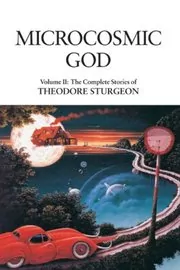
Microcosmic God
by Theodore Sturgeon
1995
This chronological collection covers Sturgeon's 1940 and 1941 stories. Its title tale follows a scientist whose tiny engineered race becomes the center of a ruthless struggle for control and profit.
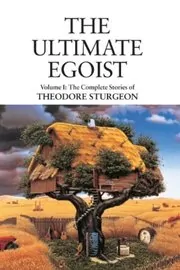
The Ultimate Egoist
by Theodore Sturgeon
1995
The opening volume of Sturgeon's complete short fiction collects work from 1937 to 1940. These early tales range from fantasy and horror to sharp little surprises, including the mud-born creature of “It.”
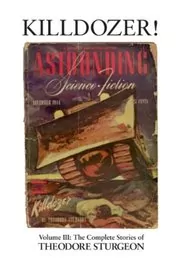
Killdozer!
by Theodore Sturgeon
1996
A volume of 1941 to 1946 short fiction featuring strange machines, alien dangers, and human beings under pressure. The title story traps a work crew with a bulldozer possessed by an ancient hostile force.
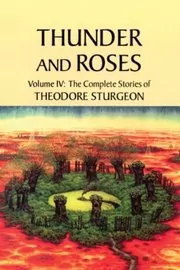
Thunder and Roses
by Theodore Sturgeon
1997
This collection gathers Sturgeon's postwar stories from 1946 to 1948. The tales move through atomic anxiety, unusual love, moral choices, and everyday people confronting changes they cannot easily explain.
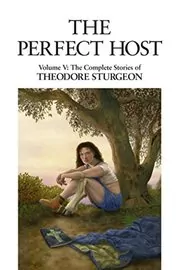
The Perfect Host
by Theodore Sturgeon
1998
Covering stories from 1948 to 1950, this volume pairs science fiction with psychological and supernatural pieces. Expect uneasy encounters, damaged relationships, and speculative premises that keep turning back to human needs.
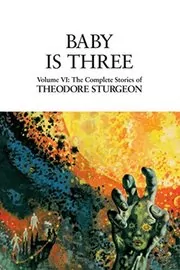
Baby is Three
by Theodore Sturgeon
1999
This early 1950s collection includes the title novella that became part of *More Than Human*. Its stories explore unusual abilities, fractured families, and the difficult work of becoming more than a solitary person.
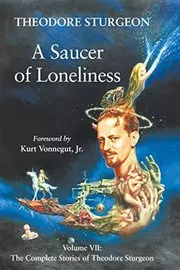
A Saucer of Loneliness
by Theodore Sturgeon
2000
A 1953 collection of stories about alien contact, isolation, sexuality, and the longing to be understood. The title tale centers on a woman whose strange encounter makes her both famous and profoundly alone.

Bright Segment
by Theodore Sturgeon
2002
This volume brings together stories from 1953 to 1955, plus two earlier rediscoveries. Sturgeon mixes intimate emotional stakes with odd science fictional situations, from encounters with the unknown to changes inside a family.

And Now the News
by Theodore Sturgeon
2003
Stories from 1955 to 1957 show Sturgeon working in science fiction, fantasy, satire, and social drama. The collection focuses on people facing disruptive ideas, private fears, and futures that do not behave as expected.

The Man Who Lost the Sea
by Theodore Sturgeon
2005
This collection covers Sturgeon's late 1950s work. Its title story follows a badly injured astronaut as memory and perception fragment around him, while other tales explore loss, intimacy, and strange forms of survival.
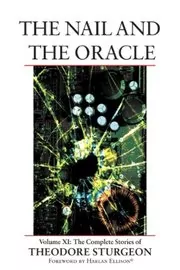
The Nail and the Oracle
by Theodore Sturgeon
2007
A collection of stories from 1961 to 1969, a period when Sturgeon wrote less often but kept testing new ideas. The pieces range from sharp speculative puzzles to unsettling studies of human behavior.

Slow Sculpture
by Theodore Sturgeon
2009
This late-career volume includes stories from the 1970s, led by the award-winning title novella. A troubled man discovers a healer with an impossible gift, forcing both of them to face pain, trust, and responsibility.
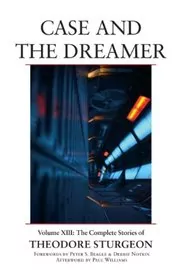
Case and the Dreamer
by Theodore Sturgeon
2010
The final volume of the complete stories gathers Sturgeon's work from 1972 to 1983, including unpublished pieces. These late tales return to love, illness, sexuality, and contact with beings beyond ordinary human experience.
The Complete Stories of Theodore Sturgeon books in chronological order
Series background & context
The Complete Stories of Theodore Sturgeon is a thirteen-volume project that gathers Sturgeon's short fiction in chronological order. Rather than selecting only familiar tales, it follows his work from the late 1930s through his final stories of the early 1980s. That makes it useful both for longtime readers and for anyone curious about how his interests changed over time.
The early books, beginning with The Ultimate Egoist, show a young writer working across fantasy, humor, adventure, horror, and pulp melodrama. Soon the stories get stranger and more searching. Microcosmic God includes one of his most durable science fiction ideas, while Killdozer! shows how effectively he could turn a work machine into a source of dread.
The middle volumes are where many readers will find his richest run. Books such as Thunder and Roses, The Perfect Host, Baby Is Three, and A Saucer of Loneliness contain stories about war, family, desire, alien contact, outsiders, and people who need one another but do not know how to say so. The setups can be huge, from unusual powers to visitors from space, but the tension usually starts close to home.
These are not all space stories.
Sturgeon also wrote ghosts, odd romances, social satire, psychological suspense, westerns, and stories that are hard to fit into one genre. His characters are often lonely, vulnerable, or treated as different. The series makes that recurring concern easy to spot, because the stories appear in the order he wrote them instead of being grouped only by theme.
Each volume includes editorial notes that add publication history and context. That background is helpful with stories that were revised, retitled, left unpublished for years, or expanded into other works. Baby Is Three, for example, became part of the novel More Than Human.
The final volumes, including The Nail and the Oracle, Slow Sculpture, and Case and the Dreamer, cover a writer still trying new forms and subjects. Some pieces are polished classics, while others are curiosities or late experiments. Taken together, the set offers a full picture of a career built less on one repeating formula than on a willingness to follow an idea wherever it leads.
Read it in order for the long view, or start with a period that suits your mood. The 1950s volumes are especially good for readers looking for Sturgeon's mix of big concepts and intimate human problems.




Edited by
Software engineer whose passion for tracking book recommendations from podcasts inspired the creation of MRB.
Lead investor at 3one4 Capital whose startup expertise and love for books helped shape MRB and its growth.
Comments
Did we miss something? Have feedback?
Help us improve this page by sharing your thoughts