
The Year of the Four Emperors Books in Order
Part ofJames Mace Books in OrderFind The Year of the Four Emperors books by James Mace in order, with short summaries, reading order, and context for Rome's civil war.
Last updated:
As an Amazon Associate, we earn from qualifying purchases (at no extra cost to you).
The Year of the Four Emperors books in publication order
2 books
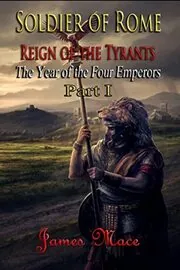
Reign of the Tyrants
by James Mace
2015
Nero's fall leaves Rome open to rival claimants, scheming courtiers, and marching legions. As Galba, Otho, and Vitellius battle for power, the empire slides into civil war and Vespasian waits in the east.
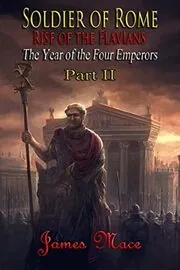
Rise of the Flavians
by James Mace
2015
Rome's first civil war deepens as Vitellius and Vespasian struggle for the throne. The book blends battlefield momentum with imperial politics, showing how a new ruling house fights its way out of chaos.
The Year of the Four Emperors books in chronological order
Series background & context
The Year of the Four Emperors series moves from frontier war into raw imperial power politics. Set in A.D. 68 and 69, it covers the collapse of Nero's rule and the bloody scramble that follows as Galba, Otho, Vitellius, and finally Vespasian fight for the throne. These books are about armies, of course, but they are just as much about ambition, timing, and the dangerous emptiness at the center of an empire without a stable ruler.
The setting jumps between Rome, the western provinces, and the eastern command under Vespasian. That matters because no single city controls events for long. Legions in distant provinces can make emperors. Court favorites, governors, and commanders all gamble on who will win, and the wrong bet can be fatal within days.
Everything shifts fast.
What links the two books is the sense that Rome's greatest strength, its military machine, becomes its greatest threat when rival armies start deciding who gets to rule. The series gives room to imperial personalities, but it also keeps an eye on the people underneath them, the soldiers and officials who have to live through each sudden change of master.
The tone is sharper and more political than some of Mace's longer soldier sagas. There are battles and marches, but the real suspense often comes from rumor, betrayal, and the question of which claimant can hold power once he grabs it. Because it overlaps with the Vespasian era, this series also pairs naturally with The Great Jewish Revolt, though it can still be read on its own.
Begin with Reign of the Tyrants and follow it with Rise of the Flavians. It is a short run, but it covers a chaotic turning point and works well for readers who want Roman history with both battlefield action and a lot of political edge.







Edited by
Software engineer whose passion for tracking book recommendations from podcasts inspired the creation of MRB.
Lead investor at 3one4 Capital whose startup expertise and love for books helped shape MRB and its growth.
Comments
Did we miss something? Have feedback?
Help us improve this page by sharing your thoughts