
The Sundering Books in Order
Part ofJacqueline Carey Books in OrderThis page lists The Sundering books by Jacqueline Carey in order, with short summaries, series background, and help deciding if this darker duology is for you.
Last updated:
As an Amazon Associate, we earn from qualifying purchases (at no extra cost to you).
The Sundering books in publication order
2 books
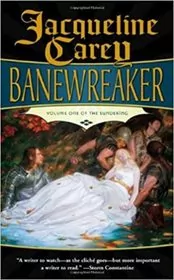
Banewreaker
by Jacqueline Carey
2004
In a world broken by a war among gods, Satoris is remembered as the great villain of history. Carey retells an epic struggle from the losing side, where prophecy, loyalty, and grief matter as much as battle.
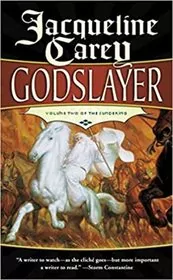
Godslayer
by Jacqueline Carey
2005
The tragedy of The Sundering closes as prophecy tightens around Satoris and the enemies marching against him. Old loyalties crack, long plans come due, and the line between hero and monster gets harder to trust.
The Sundering books in chronological order
Series background & context
The Sundering is Jacqueline Carey's darker answer to classic quest fantasy. On the surface, some of its shapes will feel familiar: a world broken by an ancient war, a prophecy promising deliverance, a feared lord on the far side of the divide, and the gathering of armies for one last struggle. But Carey flips the angle. Instead of standing comfortably with the shining side of the story, she asks you to look at the people history has already decided to call monsters.
At the center is Satoris, lord of Darkhaven, blamed for the breaking of the world and hated by nearly everyone who lives in it. Around him stand captains, counselors, dreamers, and doomed loyalists trying to survive under the weight of prophecy. Across the field are heroes, kingdoms, and alliances moving toward the kind of war epic fantasy often treats as necessary and righteous. Carey is interested in the cost of that certainty.
These two books are really one long fall.
The setting of Urulat feels mythic and old, shaped by divine conflict before the mortal story fully gets going. Gods have opinions, prophecies matter, and nobody escapes the pressure of fate for long. But the duology never feels like a dry exercise. It is full of battlefield action, uneasy loyalties, painful choices, and characters who know they may be walking straight into roles they never wanted.
What makes The Sundering stand out is its sympathy. Carey does not turn the so-called dark side into secret saints, and she does not flatten the other side into cartoons either. She keeps asking harder questions than that. Who gets to write the legend? What happens when victory and virtue stop being the same thing? How much damage can be done in the name of the light?
The tone is heavier and more openly tragic than in the Terre d'Ange books. Romance is present, but it is not the center. Loss, duty, misreading, and inevitability matter more. If you like classic epic fantasy but also like seeing its assumptions pulled apart, this series has a lot to offer. It is best read in order, and best thought of as one story split into two volumes.
For readers coming from Kushiel's Legacy, The Sundering can feel like a surprise. The prose still has emotional weight, but the mood is bleaker and the structure tighter. It is Carey working in tragedy instead of seduction, and doing it with a clear eye for both grandeur and grief.




Edited by
Software engineer whose passion for tracking book recommendations from podcasts inspired the creation of MRB.
Lead investor at 3one4 Capital whose startup expertise and love for books helped shape MRB and its growth.
Comments
Did we miss something? Have feedback?
Help us improve this page by sharing your thoughts