
The Spiderwick Chronicles - Companion Books Books in Order
Part ofHolly Black Books in OrderBrowse Spiderwick companion books by Holly Black in order, with quick summaries, guidebook notes, and help seeing how they fit beside the main novels.
Last updated:
As an Amazon Associate, we earn from qualifying purchases (at no extra cost to you).
The Spiderwick Chronicles - Companion Books books in publication order
4 books
Arthur Spiderwick's Field Guide to the Fantastical World Around You
by Holly Black
2005
This lavish guide collects Arthur Spiderwick's notes on the hidden creatures living beside the human world. It is a richly illustrated compendium for readers who want more lore, warnings, and faerie detail.
Notebook for Fantastical Observations
by Holly Black
2005
Part journal, part field notebook, this Spiderwick companion invites readers to record creatures, clues, and curious discoveries of their own. It expands the series' world in a playful, in-universe way.
Care and Feeding of Sprites
by Holly Black
2006
This Spiderwick companion is a tongue-in-cheek handbook on sprites, their habits, and the trouble they can cause. It is more guidebook than story, and all the more fun for it.
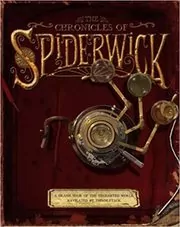
The Chronicles of Spiderwick
by Holly Black
2007
This larger Spiderwick collection gathers the Grace children's encounters with the hidden faerie world into one volume. It is a handy way to revisit the early discoveries, danger, and creature lore.
The Spiderwick Chronicles - Companion Books books in chronological order
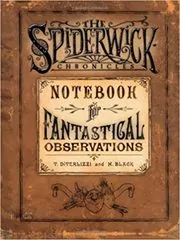
Notebook for Fantastical Observations
by Holly Black
2005The Spiderwick Chronicles - Companion Books, Book 1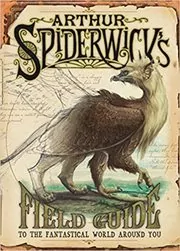
Arthur Spiderwick's Field Guide to the Fantastical World Around You
by Holly Black
2005The Spiderwick Chronicles - Companion Books, Book 2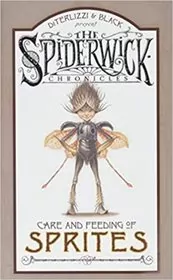
Series background & context
The Spiderwick companion books are not straight sequels. They are side doors into the same world. If the main series gives you the Grace children's fight for survival, the companion books let you linger over the creatures, objects, habits, and scraps of lore that make Spiderwick feel so real.
That change in format is the whole point.
Books like Arthur Spiderwick's Field Guide to the Fantastical World Around You and Notebook for Fantastical Observations lean into the idea that Arthur Spiderwick really did spend years studying the hidden beings around him. They read like artifacts from inside the story world, full of sketches, notes, warnings, and the kind of specific detail that makes readers feel as though they could go outside and identify a brownie or griffin if they were careful enough.
Care and Feeding of Sprites pushes even further into that playful field-manual style. Instead of advancing the main plot, it expands the world. What do these creatures eat. How should you handle them. What mistakes will get you in trouble. That is the appeal. The books let younger readers become amateur naturalists in a fantasy ecosystem that is equal parts beautiful and hazardous.
Because Tony DiTerlizzi's art is such a large part of Spiderwick's magic, the companion books are often especially satisfying for readers who love the illustrations as much as the story. The visual side is not an extra here. It is part of the storytelling. The creatures have texture, personality, and a slightly unsettling look that fits Holly Black's version of faerie perfectly.
These books work best after you have at least started the main series, because then the names and warnings mean more. But they also stand nicely on their own as imaginative guidebooks for readers who want more lore, more art, and more excuses to believe the world outside the window might not be as empty as it looks.


Edited by
Software engineer whose passion for tracking book recommendations from podcasts inspired the creation of MRB.
Lead investor at 3one4 Capital whose startup expertise and love for books helped shape MRB and its growth.
Comments
Did we miss something? Have feedback?
Help us improve this page by sharing your thoughts