
The Sparrow Books in Order
Part ofMary Doria Russell Books in OrderSee The Sparrow series by Mary Doria Russell in order, with quick summaries, series background, and a clear guide to where to begin with Emilio Sandoz's story.
Last updated:
As an Amazon Associate, we earn from qualifying purchases (at no extra cost to you).
The Sparrow books in publication order
2 books
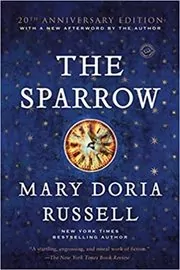
The Sparrow
by Mary Doria Russell
1996
After music arrives from Alpha Centauri, a Jesuit-led mission travels to Rakhat to make first contact. Only Father Emilio Sandoz returns, broken in body and faith, and the novel slowly reveals how hope became catastrophe.
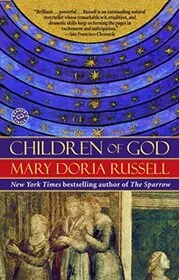
Children of God
by Mary Doria Russell
1998
Still scarred by Rakhat, Father Emilio Sandoz is pulled toward a second mission he does not want. As grief, memory, and new discoveries collide, the sequel asks whether healing is possible after first contact goes terribly wrong.
The Sparrow books in chronological order
Series background & context
The Sparrow series is a two-book story, The Sparrow and Children of God, built around one of Mary Doria Russell's favorite questions: what happens when decent, intelligent people walk into a world they do not understand. At the center is Emilio Sandoz, a Jesuit priest from Puerto Rico, a gifted linguist, and a man whose warmth makes him easy to trust. These novels are science fiction, but they are also books about friendship, belief, grief, and the damage caused by good intentions.
The series begins when humans receive music from the Alpha Centauri system. Before governments can fully step in, a small expedition is organized under Jesuit sponsorship, which gives the mission both scientific purpose and moral complication. Russell uses that setup to connect space exploration with older histories of exploration and missionary work. The question is never just can we get there. It is also what right do we have to go, and how would we know if we were already doing harm.
A big part of the appeal is the crew itself. Emilio travels with scientists and friends who feel like a real, affectionate group rather than a collection of plot devices. They cook, tease one another, play music, fall in love, and carry old histories into a very new place. That warmth matters, because the first book opens after disaster has already struck, with Emilio back on Earth as the only survivor, physically injured and unable to escape questions about what happened on Rakhat.
Rakhat is strange, beautiful, and only partly legible to human eyes.
Russell's anthropology background shows in the way the alien world works. Language, food, status, ecology, and custom all matter. Rakhat is home to two sentient species, the Runa and the Jana'ata, and much of the series depends on how badly humans misread the relationship between them. That is where the tension lives. These are not books about laser battles or clever gadgets. They are about translation, hierarchy, unintended consequences, and the awful speed with which a small misunderstanding can become a tragedy.
Children of God picks up the aftermath and widens the scope. Emilio is still trying to live with what happened, while the people around him are drawn back into Rakhat's unfinished story. The sequel asks what repair might look like after catastrophe, both for individuals and for whole societies. Taken together, the books offer thoughtful first-contact fiction with a strong emotional core. If you like character-driven science fiction that wrestles with faith, colonial history, culture clash, and the limits of empathy, this series has plenty to hold onto.





Edited by
Software engineer whose passion for tracking book recommendations from podcasts inspired the creation of MRB.
Lead investor at 3one4 Capital whose startup expertise and love for books helped shape MRB and its growth.
Comments
Did we miss something? Have feedback?
Help us improve this page by sharing your thoughts