
The Science of Discworld Books in Order
Part ofTerry Pratchett Books in OrderSee The Science of Discworld books in order by Terry Pratchett, with short summaries, what each volume covers, and simple tips on where to start.
Last updated:
As an Amazon Associate, we earn from qualifying purchases (at no extra cost to you).
The Science of Discworld books in publication order
4 books
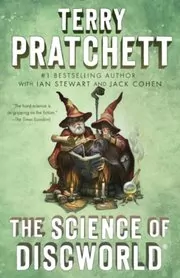
The Science of Discworld
by Terry Pratchett
1999
The wizards of Unseen University create a universe in a jar and call it Roundworld. Between comic chapters, the book explains real science, from the Big Bang to life on Earth, in a friendly, curious tone.
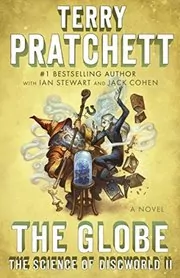
The Science of Discworld II: The Globe
by Terry Pratchett
2002
Roundworld returns, and the wizards’ experiments keep colliding with reality. The story chapters frame clear explanations of Earth science and evolution, digging into how planets, life, and human thinking actually develop.
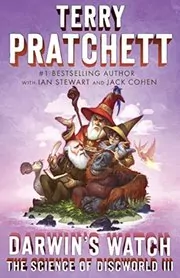
The Science of Discworld III: Darwin's Watch
by Terry Pratchett
2005
With Roundworld in trouble again, the wizards stumble into questions about history, evolution, and how scientific ideas spread. The book blends Discworld mischief with approachable science writing about change over time.
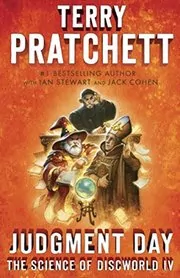
The Science of Discworld IV: Judgement Day
by Terry Pratchett
2013
The wizards face a looming crisis on Roundworld that forces them to think about risk, prediction, and big-system science. Alongside the Discworld plot, the book explores how humans model the future and respond to warnings.
The Science of Discworld books in chronological order
Series background & context
The Science of Discworld books sit in a fun in-between space: part Discworld story, part popular science, with Terry Pratchett teaming up with scientist writers Ian Stewart and Jack Cohen. The hook is simple. The wizards of Unseen University create a new universe, a strange little globe they call Roundworld, and then promptly start poking at it. Because wizards are used to a world where stories have power, they keep trying to make Roundworld behave “properly”, and it refuses.
Each volume alternates between fictional chapters, where the wizards’ meddling causes chaos, and clear, real-world explanations of the science that sits behind the jokes. The Discworld bits give you characters and momentum, while the science sections slow down and explain what’s actually going on. The fiction is a continuing thread, so wizardly mistakes tend to echo from book to book. That can mean everything from how stars and planets form to why evolution isn’t a ladder, it’s a branching, improvising process.
It’s a science book hiding inside a fantasy prank.
Across the series, the topics range widely. You’ll see big-picture physics and cosmology, the deep history of Earth, the logic of natural selection, and the way complex systems can tip into surprising outcomes. The later volumes push into questions about how life changes a planet, how human minds work, and how scientific ideas spread, mutate, and sometimes get ignored. There’s also a steady thread about scientific method, not just what we know, but how we know it, and why good questions matter.
What makes these books work is the tone. Pratchett’s humour keeps the writing light on its feet, but the science itself is treated with respect. Stewart and Cohen don’t assume you already know the jargon, and they’re happy to use everyday examples and strong metaphors instead of pages of equations. When the books disagree with a popular myth, they usually explain the mistake gently and then show a better way to think about it.
You don’t need a lab coat to follow along.
This page lists the volumes in order with short summaries so you can see what each one leans into. You can read them as science writing even if you’ve never finished a Discworld novel, and you can read them as Discworld fun even if you only remember the basics of the setting. If you’re deciding where to begin, start with The Science of Discworld, then move straight through to The Globe, Darwin’s Watch, and Judgement Day.



Edited by
Software engineer whose passion for tracking book recommendations from podcasts inspired the creation of MRB.
Lead investor at 3one4 Capital whose startup expertise and love for books helped shape MRB and its growth.
Comments
Did we miss something? Have feedback?
Help us improve this page by sharing your thoughts