
The Real People Books in Order
Part ofRobert J Conley Books in OrderBrowse The Real People books in order by Robert J Conley, with short summaries, series background, reading help, and where to begin.
Last updated:
As an Amazon Associate, we earn from qualifying purchases (at no extra cost to you).
The Real People books in publication order
12 books
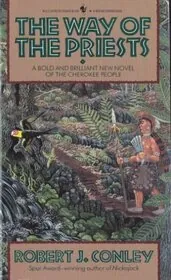
The Way of the Priests
by Robert J Conley
1992
A brutal drought and growing unrest push the Cherokee nation toward crisis as the powerful priestly class struggles to hold onto authority. Conley opens his long historical saga with politics, belief, and survival all pulling against each other.
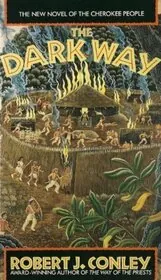
The Dark Way
by Robert J Conley
1993
After the revolt against the priests, the Cherokee face a dangerous power vacuum at home and a threat of conquest from old enemies outside. It is a tense novel about rebuilding order before everything breaks apart again.
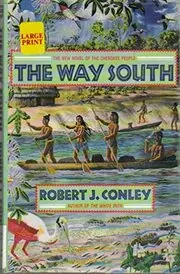
The Way South
by Robert J Conley
1993
A Cherokee trader heads south and finds hostile peoples, dangerous travel, and unsettling contact with Spaniards from across the water. The journey broadens the Real People saga and shows how fast the world is changing.
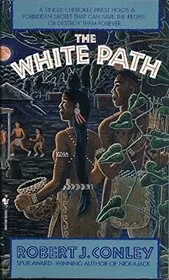
The White Path
by Robert J Conley
1993
The Cherokee are still trying to rebuild after upheaval, and every choice about belief, loyalty, and leadership carries fresh risk. This entry keeps the larger saga moving while focusing on the cost of choosing a new way forward.

The Long Way Home
by Robert J Conley
1994
Told through the memories of an aging Cherokee priest, this novel looks back on invasion, loss, and the long shadow of first contact. It is reflective, tense, and closely tied to the larger history of the Real People books.
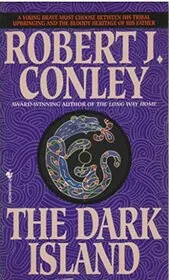
The Dark Island
by Robert J Conley
1995
Asquani, the son of an escaped slave and a Spaniard, is forced to choose where his loyalty lies when outside powers threaten the Cherokee homeland. It is a story about divided identity at a dangerous historical turning point.
The War Trail North
by Robert J Conley
1995
After seeing his brother killed by a Seneca warrior, a young Cherokee vows revenge and heads north into enemy country. His private grief soon threatens to widen into a larger cycle of retaliation and war.
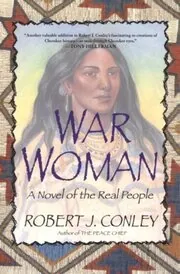
War Woman
by Robert J Conley
1997
Thought by many in her town to be a witch, War Woman leads a risky journey toward Spanish Florida in search of profit and possibility. What begins as adventure becomes a harder story about leadership, loss, and endurance.
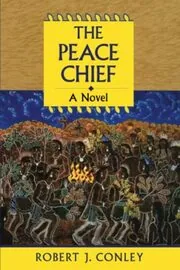
The Peace Chief
by Robert J Conley
1998
After accidentally killing his best friend in battle, a young Cherokee must live in exile until he can be spiritually reborn. His personal crisis grows into a larger test of leadership as French, Spanish, and tribal tensions mount.
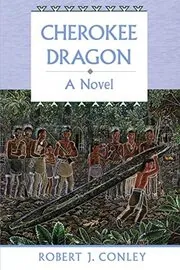
Cherokee Dragon
by Robert J Conley
2000
Conley turns to Dragging Canoe, the Cherokee war leader who believed only resistance could save his people's land and culture. It is a forceful historical novel about division, warfare, and a nation under pressure.
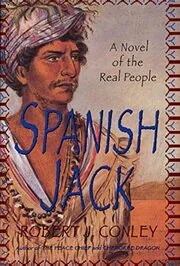
Spanish Jack
by Robert J Conley
2001
Set deep in Cherokee history, this novel follows a world being reshaped by colonial pressure, trade, and divided loyalties. Conley keeps the focus on identity and survival as familiar ground becomes less secure.
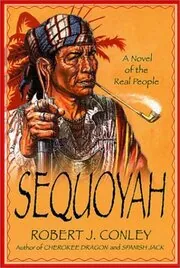
Sequoyah
by Robert J Conley
2002
Conley imagines the life of Sequoyah, the Cherokee innovator best known for creating the syllabary. The novel follows his work against a backdrop of upheaval, showing how language itself can become a form of survival.
The Real People books in chronological order
Series background & context
Robert J Conley's The Real People books form a broad Cherokee historical cycle, one that begins long before most frontier fiction usually starts. Across the series, Conley traces the lives of the Ani-Yunwiya, the Real People, through the pressures of political change, war, spiritual conflict, and contact with Europeans. The books are linked by continuity of world and culture more than by one continuing cast, so each novel brings a fresh set of characters into a much larger shared history.
The opening stretch, especially The Way of the Priests, The Dark Way, and The White Path, focuses on power inside the nation itself. Conley writes about drought, unrest, clan tensions, and the priestly order known as the Anita-Kutani. Those books have the feel of a society arguing with itself about authority, belief, and what has gone wrong. The stakes are high from the start, but they are not only military. They are also social and ceremonial, which gives the early novels a different rhythm from a standard conquest tale.
Everything gets harder when outsiders enter the picture.
In The Way South, The Long Way Home, and The Dark Island, the world opens outward through trade routes, distant travel, and first sustained encounters with Europeans. Conley shows how those encounters do not just threaten land. They complicate identity, kinship, and survival. New goods and new enemies arrive together. So do slavery, disease, and divided loyalties. Characters are often forced to choose not between easy good and evil, but between several bad outcomes.
Other novels in the sequence deepen that sense of long consequence. The War Trail North is driven by grief and revenge, while War Woman and The Peace Chief ask what leadership looks like in dangerous times. Some people fight. Some negotiate. Some try to heal what fighting has broken. The ongoing tension is not simply whether the Cherokee can win a single conflict, but whether they can preserve a way of being while the terms of life keep changing.
The later books move closer to familiar historical figures and events. In Cherokee Dragon, Conley turns to Dragging Canoe and the struggle against settler encroachment. In Sequoyah, he explores the life of the man most closely associated with the Cherokee syllabary. These novels still feel like part of the same larger design, because Conley never treats history as a parade of famous names. He keeps returning to towns, families, language, and the ordinary costs of political decisions.
So what should you expect from the series as a whole? A mix of tribal history, adventure, argument, movement, and memory. The tone can be grim, but it is never just grim. There is humor in these books, and affection for community life, along with all the danger. If you want a long-form story of Cherokee endurance that grows from precontact traditions into the upheavals of colonial expansion, The Real People is Conley's most ambitious fictional project.



Edited by
Software engineer whose passion for tracking book recommendations from podcasts inspired the creation of MRB.
Lead investor at 3one4 Capital whose startup expertise and love for books helped shape MRB and its growth.
Comments
Did we miss something? Have feedback?
Help us improve this page by sharing your thoughts