
Robert J Conley Books in Order
Explore Robert J Conley books in order, from the Real People saga to his westerns and Cherokee history, with short summaries and easy starting points.
Last updated:
As an Amazon Associate, we earn from qualifying purchases (at no extra cost to you).
Robert J Conley books in publication order
59 books

The Rattlesnake Band & Other Poems
by Robert J Conley
1984
A poetry collection that shows another side of Conley's writing, more compressed but still rooted in place, memory, and Native experience. The poems carry both bite and quiet reflection.
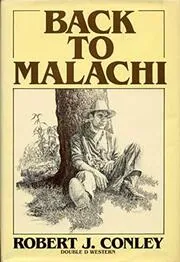
Back to Malachi
by Robert J Conley
1986
Charlie Black is torn between the respectable life his fiancee wants and the loyalty he still feels toward his Cherokee friends and kin. When the law closes in, he has to choose which world he really belongs to.
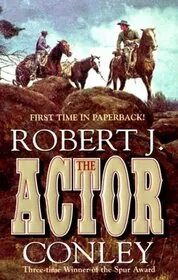
The Actor
by Robert J Conley
1987
An actor is forced to pose as a feared gunslinger in order to recover a friend's stolen money. It is a clever western setup, with performance, danger, and bluff all mixed together.
Killing Time
by Robert J Conley
1988
This western circles around Oliver Colfax, a professional killer whose trade keeps dragging him toward trouble. When violence stops feeling like just another job, loyalty and survival begin pulling in opposite directions.
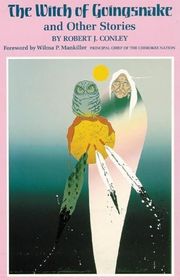
The Witch of Goingsnake
by Robert J Conley
1988
This story collection moves between contemporary Cherokee life, folklore, and the spirit world. Conley uses short fiction to show how the past and present keep talking to each other.
Wilder & Wilder
by Robert J Conley
1988
Writers and amateur sleuths Jackson and Maggie Wilder arrive at a Wyoming dude ranch and land in the middle of a murder case. Conley mixes mystery and western elements for a lighter, more playful change of pace.
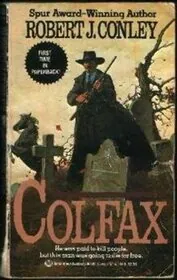
Colfax
by Robert J Conley
1989
Oliver Colfax once planned to kill Sergeant Bluff Luton, then came to call him a friend. When Luton is shot in the back, Colfax sets out to find the killer and settle the score.
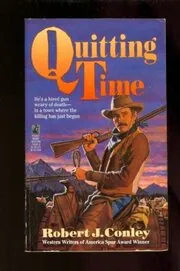
Quitting Time
by Robert J Conley
1989
Oliver Colfax is older and ready to leave his old trade behind, until a cattle baron comes looking to hire him. One last proposition turns quitting into just another road back to danger.

The Saga of Henry Starr
by Robert J Conley
1989
Conley takes on the life of Cherokee outlaw Henry Starr, a man who moved through crime, notoriety, and repeated brushes with death. It is a western biography with grit and a strong sense of place.
Go-Ahead Rider
by Robert J Conley
1990
When Harvard graduate George Tanner returns to Tahlequah, Sheriff Go-Ahead Rider makes him a deputy just as railroad politics and a disappearance turn dangerous. It is a western mystery rooted in Cherokee Nation law and power.
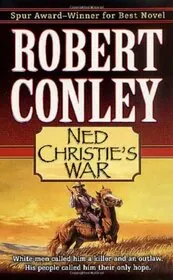
Ned Christie's War
by Robert J Conley
1991
This novel retells the story of Ned Christie, the Cherokee leader falsely accused of murder and hunted for years in Indian Territory. Conley turns a famous case into a tense story about law, politics, and resistance.
Strange Company
by Robert J Conley
1991
An unlikely band of frontier survivors finds itself bound together by danger, suspicion, and shifting loyalties. Conley uses the setup for a western where trust is scarce and trouble never stays far away.
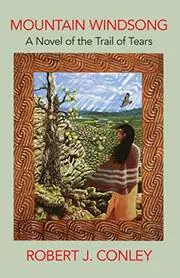
Mountain Windsong
by Robert J Conley
1992
Waguli Whippoorwill and Oconeechee are torn apart by the Trail of Tears, and their separate struggles carry the grief of removal in deeply personal form. Conley layers story, memory, and history into a moving Cherokee-centered novel.
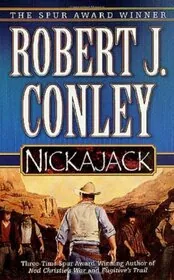
Nickajack
by Robert J Conley
1992
A Cherokee man tries to leave behind a bitterly divided homeland, only to be pulled into violence and accused of murder. Conley ties one man's fate to the deeper tragedy of Cherokee removal and displacement.
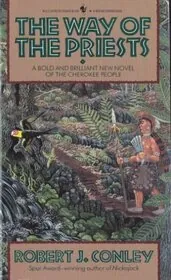
The Way of the Priests
by Robert J Conley
1992
A brutal drought and growing unrest push the Cherokee nation toward crisis as the powerful priestly class struggles to hold onto authority. Conley opens his long historical saga with politics, belief, and survival all pulling against each other.
Border Line
by Robert J Conley
1993
Set where borders of law, nation, and identity keep colliding, this western follows lives pushed toward hard choices. Conley turns the frontier line into a source of constant pressure rather than simple geography.
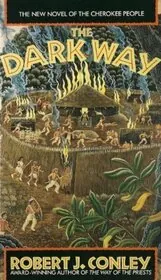
The Dark Way
by Robert J Conley
1993
After the revolt against the priests, the Cherokee face a dangerous power vacuum at home and a threat of conquest from old enemies outside. It is a tense novel about rebuilding order before everything breaks apart again.
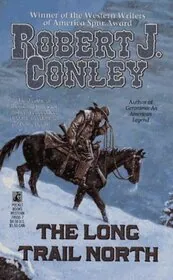
The Long Trail North
by Robert J Conley
1993
The road north is long, dangerous, and full of men who have their own reasons for violence. Conley builds the novel around endurance, uneasy alliances, and the cost of staying alive another day.
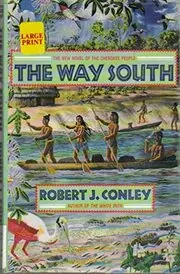
The Way South
by Robert J Conley
1993
A Cherokee trader heads south and finds hostile peoples, dangerous travel, and unsettling contact with Spaniards from across the water. The journey broadens the Real People saga and shows how fast the world is changing.
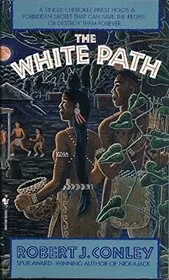
The White Path
by Robert J Conley
1993
The Cherokee are still trying to rebuild after upheaval, and every choice about belief, loyalty, and leadership carries fresh risk. This entry keeps the larger saga moving while focusing on the cost of choosing a new way forward.
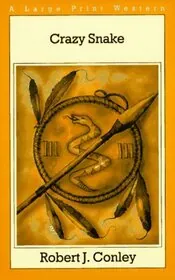
Crazy Snake
by Robert J Conley
1994
Conley follows Creek nationalist Chitto Harjo, better known as Crazy Snake, as he fights to protect his people's land and way of life. It is a historical novel about resistance, law, and the cost of refusing surrender.
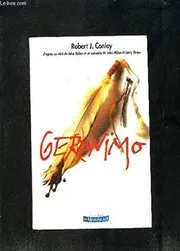
Geronimo
by Robert J Conley
1994
Conley's novelization follows Geronimo through the last bitter fights of Apache resistance against American and Mexican forces. It is a fast-moving historical western with the weight of real history behind it.
The Long Way Home
by Robert J Conley
1994
Told through the memories of an aging Cherokee priest, this novel looks back on invasion, loss, and the long shadow of first contact. It is reflective, tense, and closely tied to the larger history of the Real People books.

To Make a Killing
by Robert J Conley
1994
A prisoner is shot in his cell, and Sheriff Rider's deputy Beehunter becomes one of the suspects. With politics closing in from all sides, Rider has to clear his friend's name and find the truth before the case gets worse.
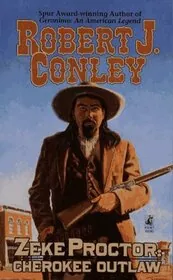
Zeke Proctor
by Robert J Conley
1994
This western takes on the story of Cherokee outlaw Zeke Proctor, where clan tensions, courtroom politics, and revenge all feed the violence. Conley keeps the focus on how justice can twist under pressure.
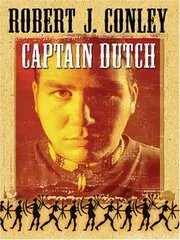
Captain Dutch
by Robert J Conley
1995
Set in the rough world of Indian Territory, this western follows the man known as Captain Dutch through danger, shifting loyalties, and trouble that refuses to stay buried. Conley gives the story grit and dry humor.
Outside the Law
by Robert J Conley
1995
A well-liked schoolteacher is found murdered, and Sheriff Rider and Deputy Tanner discover that the victim's past was less simple than it seemed. The case grows darker the deeper they dig.
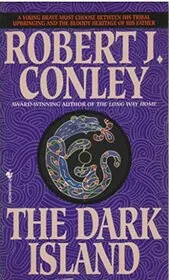
The Dark Island
by Robert J Conley
1995
Asquani, the son of an escaped slave and a Spaniard, is forced to choose where his loyalty lies when outside powers threaten the Cherokee homeland. It is a story about divided identity at a dangerous historical turning point.
The War Trail North
by Robert J Conley
1995
After seeing his brother killed by a Seneca warrior, a young Cherokee vows revenge and heads north into enemy country. His private grief soon threatens to widen into a larger cycle of retaliation and war.
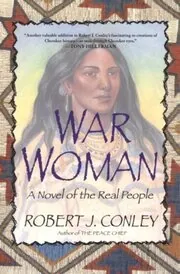
War Woman
by Robert J Conley
1997
Thought by many in her town to be a witch, War Woman leads a risky journey toward Spanish Florida in search of profit and possibility. What begins as adventure becomes a harder story about leadership, loss, and endurance.
Incident at Buffalo Crossing
by Robert J Conley
1998
A violent encounter at Buffalo Crossing shakes a frontier community and sets rumor, fear, and retribution in motion. Conley turns the setup into a lean western about blame and survival.
The Meade Solution
by Robert J Conley
1998
Far from Conley's frontier fiction, this is a sharp academic satire about an English department, a bleak job market, and one graduate student's very unconventional plan. It is funny, bitter, and knowingly absurd.
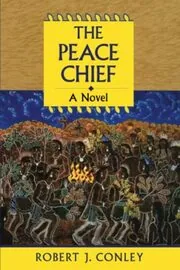
The Peace Chief
by Robert J Conley
1998
After accidentally killing his best friend in battle, a young Cherokee must live in exile until he can be spiritually reborn. His personal crisis grows into a larger test of leadership as French, Spanish, and tribal tensions mount.
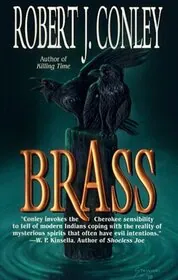
Brass
by Robert J Conley
1999
This dark fantasy draws on Cherokee myth, imagining a dangerous shape-shifter released back into the world. Conley mixes horror with tribal story to create one of his strangest and most memorable novels.
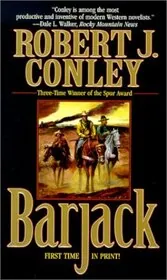
Barjack
by Robert J Conley
2000
Marshal Barjack keeps order in the unruly town of Asininity, where jokes turn mean and violence is never far off. This opener introduces a hard-drinking lawman who is tougher and sharper than he first appears.
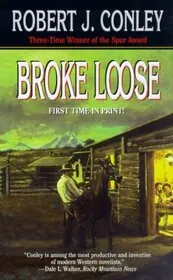
Broke Loose
by Robert J Conley
2000
Trouble breaks loose in Asininity, and Marshal Barjack is stuck sorting out armed fools, old grudges, and the thin line holding the town together. Conley plays the chaos for grit, humor, and western tension.
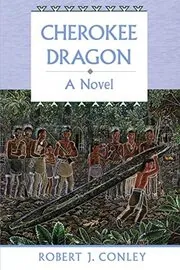
Cherokee Dragon
by Robert J Conley
2000
Conley turns to Dragging Canoe, the Cherokee war leader who believed only resistance could save his people's land and culture. It is a forceful historical novel about division, warfare, and a nation under pressure.
Fugitive's Trail
by Robert J Conley
2000
When outlaw Joe Pigg shoots his dog, young Kid Parmlee kills him in a blind rage and runs for it. The result is a gritty outlaw tale about a boy who becomes both hunter and hunted.
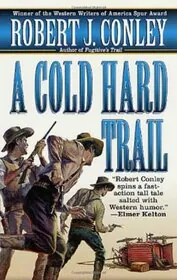
A Cold Hard Trail
by Robert J Conley
2001
Kid Parmlee, Zeb, and Paw are mistaken for stagecoach robbers and suddenly find themselves running from a sheriff and the real desperadoes. Clearing their names will take nerve, speed, and more luck than they can count on.
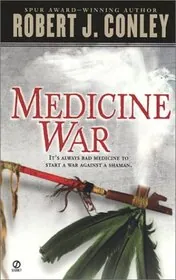
Medicine War
by Robert J Conley
2001
Set in the Cherokee Nation after the Civil War, this novel blends frontier history with something darker and stranger. Conley uses older spiritual forces to turn the past into a genuinely eerie battleground.
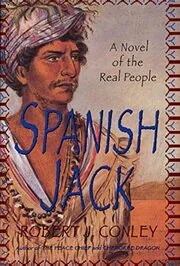
Spanish Jack
by Robert J Conley
2001
Set deep in Cherokee history, this novel follows a world being reshaped by colonial pressure, trade, and divided loyalties. Conley keeps the focus on identity and survival as familiar ground becomes less secure.
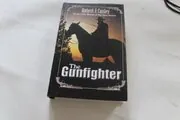
The Gunfighter
by Robert J Conley
2001
When a notorious gunfighter called the Widowmaker rides into Asininity, Marshal Barjack expects bloodshed. Instead he finds a more complicated problem, and a town full of people ready to panic before the shooting even starts.
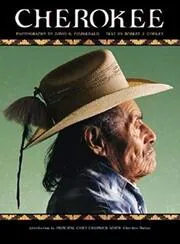
Cherokee
by Robert J Conley
2002
This large-format collaboration pairs photographs with Conley's text to present Cherokee history, culture, and contemporary life. It works as both an introduction and a vivid portrait of a living people.
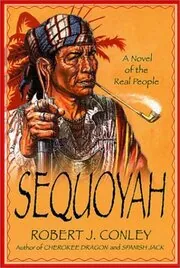
Sequoyah
by Robert J Conley
2002
Conley imagines the life of Sequoyah, the Cherokee innovator best known for creating the syllabary. The novel follows his work against a backdrop of upheaval, showing how language itself can become a form of survival.
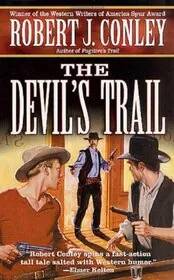
The Devil's Trail
by Robert J Conley
2002
Kid Parmlee keeps moving west with almost nothing, but the trail ahead is packed with hard men, hard choices, and fresh violence. His legend grows, and so do the dangers attached to it.
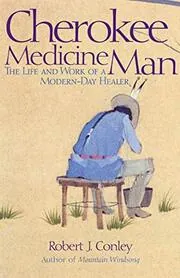
Cherokee Medicine Man
by Robert J Conley
2005
Centered on modern healer John Little Bear, this nonfiction book explores Cherokee medicine through story, testimony, and lived experience. Conley is interested in both the man and the tradition around him.
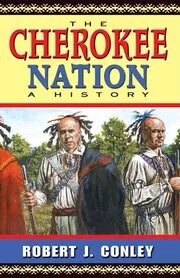
The Cherokee Nation
by Robert J Conley
2005
A clear, readable history of the Cherokee people from precontact life through removal and into the modern era. Conley keeps the big picture in view without losing the human scale of the story.
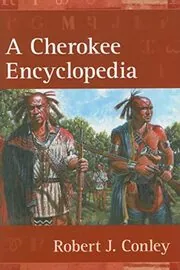
A Cherokee Encyclopedia
by Robert J Conley
2007
Part reference book and part cultural guide, this volume gathers entries on Cherokee chiefs, clans, places, traditions, and notable people. It is useful for browsing as well as quick fact-finding.
Cherokee Thoughts
by Robert J Conley
2008
A collection of essays on Cherokee politics, history, identity, humor, and public arguments. Conley is blunt, funny, and often sharply skeptical, which makes the book lively as well as informative.
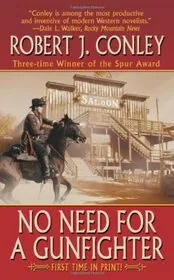
No Need for a Gunfighter
by Robert J Conley
2008
The people of Asininity decide they no longer need Barjack as marshal and try to push him out. Barjack has other ideas, and the fight over his future quickly becomes a fight over the town itself.
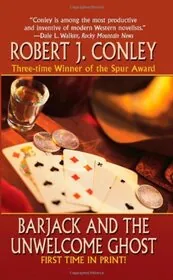
Barjack and the Unwelcome Ghost
by Robert J Conley
2009
Barjack faces a problem that looks a lot like a haunting, though in his town the living are usually worse than the dead. It is a western with a playful supernatural edge and plenty of frontier mischief.
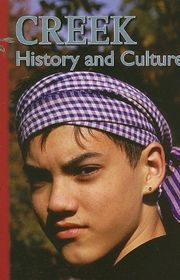
Creek History and Culture
by Robert J Conley
2011
This introductory volume outlines Creek history, culture, and social life in a straightforward, readable way. It is a useful first stop for readers who want the basics without getting lost in detail.
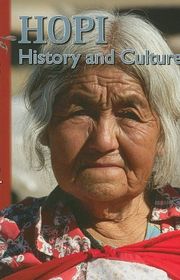
Hopi History and Culture
by Robert J Conley
2011
A brief survey of Hopi history and culture that introduces key traditions, community life, and historical change. It is designed to give younger and newer readers a solid starting point.
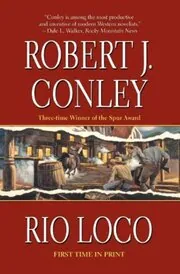
Rio Loco
by Robert J Conley
2011
After a drunk shoots an unarmed man dead in Barjack's saloon, the marshal locks him up and waits for trial. The prisoner's friends have no intention of waiting quietly, and Barjack knows it.
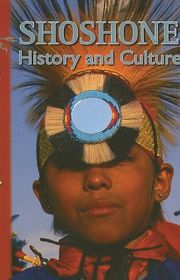
Shoshone History and Culture
by Robert J Conley
2011
An accessible introduction to Shoshone history, traditions, and daily life. Written for general readers, it offers a concise overview of how the Shoshone have lived and adapted over time.
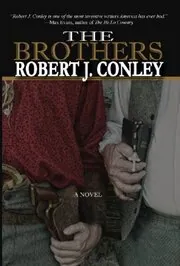
The Brothers
by Robert J Conley
2013
Skylar is pulled into the lives of three half brothers and a family conflict tangled up with faith, slavery, desire, and inheritance. The pressure builds toward a patricide trial and a reckoning no one can dodge.
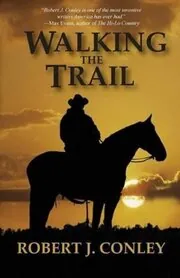
Walking the Trail
by Robert J Conley
2015
Part history and part personal journey, this book follows the Trail of Tears on the ground and thinks through what that past still means. It is direct, reflective, and rooted in place and memory.
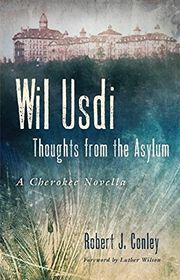
Wil Usdi: Novella
by Robert J Conley
2015
A short, sharp novella that stays close to one troubled perspective and uses a compact form to explore identity, memory, and pressure from the world outside. It is smaller in scale, but still unmistakably Conley.
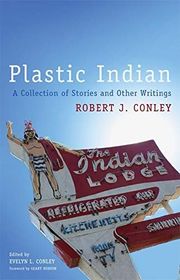
Plastic Indian
by Robert J Conley
2018
This posthumous collection brings together stories, a play, and speeches, opening with the title tale about three Cherokee youths trying to topple a giant roadside Indian statue. It is funny, pointed, and varied.
Where to start with Robert J Conley
If you want his big Cherokee historical saga: The Way of the Priests → The Dark Way → The White Path
If you want a western mystery in the Cherokee Nation: Go-Ahead Rider → To Make a Killing → Outside the Law
If you want a rougher outlaw western: Fugitive's Trail → A Cold Hard Trail → The Devil's Trail
If you want a standalone rooted in Cherokee history: Mountain Windsong → Ned Christie's War → Cherokee Dragon
Robert J Conley sub-series and character series
Sheriff Go-Ahead Rider books in order
Explore this seriesSheriff Go-Ahead Rider books in chronological order
Robert J Conley collections, short stories, and related book types
Short Stories/Novellas
Collections
Non-Fiction
Standalone Robert J Conley books
Author bio
Robert J. Conley was born in Cushing, Oklahoma, on December 29, 1940, and grew up between Oklahoma and North Texas before finishing high school in Wichita Falls in 1958. He became one of the most prolific Cherokee writers of his generation, with a body of work that stretched across novels, short stories, essays, poetry, and history.
Before writing full time, he spent years moving through classrooms and tribal work. He earned a bachelor's degree in drama in 1966 and a master's degree in English in 1968 from Midwestern University. He later taught English at Southwest Missouri State University and Northern Illinois University, worked in Indian studies at Bacone College, Morningside College, and Eastern Montana College, and also served as assistant programs manager for the Cherokee Nation of Oklahoma.
Stories came to him early. In one later interview, Conley talked about the stories his Cherokee grandmother told him and how they found their way into his books. He also grew increasingly frustrated with the way Cherokee people were flattened, romanticized, or pushed to the edge in popular history and western fiction. That frustration helped drive him toward fiction of his own, beginning with Back to Malachi in 1986.
He wrote a lot, and he wrote in many directions.
Some readers know him best for westerns like Go-Ahead Rider, Nickajack, and The Dark Island. Others come to him through historical novels such as Mountain Windsong, his Trail of Tears novel, or through the long-running Real People books, which imagine Cherokee life from before European contact through later centuries of war, removal, and survival. What keeps those books readable is not ornament. It is the steady way he handles place, conflict, and people trying to keep their footing while history shifts under them.
History was the engine of much of his work.
Conley had a gift for taking large political change and bringing it down to the scale of families, towns, and single hard choices. In Cherokee Dragon he writes about Dragging Canoe and the fight over land and resistance. In Sequoyah he turns to the making of the Cherokee syllabary and the force of language itself. His nonfiction did similar work in a more direct way, especially The Cherokee Nation: A History, Cherokee Medicine Man, A Cherokee Encyclopedia, and Cherokee Thoughts.
Later in life he moved to western North Carolina, a place he once described as feeling like home for Cherokees, and in 2008 he became the Sequoyah Distinguished Professor of Cherokee Studies at Western Carolina University. He also founded the Tsalagi Institute there. Even with academic titles attached to his name, he kept the tone of a working storyteller, dryly funny, blunt when he felt like it, and far more interested in getting the story right than sounding grand.
The awards came along the way, including three Spur Awards, a Lifetime Achievement Award from the Native Writers' Circle of the Americas in 2007, and the Owen Wister Award in 2014 for lifetime contributions to western literature. He died in western North Carolina on February 16, 2014. What remains is a shelf full of books that keep returning to Cherokee history, Cherokee humor, Cherokee grief, and Cherokee endurance, always in a voice that sounds like it knows the people on the page.
Edited by
Software engineer whose passion for tracking book recommendations from podcasts inspired the creation of MRB.
Lead investor at 3one4 Capital whose startup expertise and love for books helped shape MRB and its growth.
Comments
Did we miss something? Have feedback?
Help us improve this page by sharing your thoughts