
The Raj Quartet Books in Order
Part ofPaul Scott Books in OrderSee The Raj Quartet by Paul Scott in order, with short summaries, series background, key characters, and help choosing where to start reading.
Last updated:
As an Amazon Associate, we earn from qualifying purchases (at no extra cost to you).
The Raj Quartet books in publication order
4 books
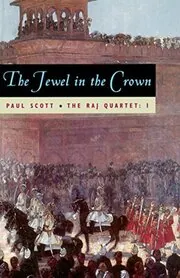
The Jewel in the Crown
by Paul Scott
1966
In 1942 India, Daphne Manners falls in love with Hari Kumar just as riots and fear sweep the country. After a brutal night in Bibighar Gardens, Ronald Merrick turns jealousy into accusation, and private lives become tangled with the collapse of empire.
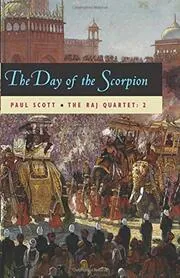
The Day of the Scorpion
by Paul Scott
1968
As the war moves on and British power weakens, the Layton family and those around them try to hold their place in a world that is slipping away. Old loyalties, repression, and private grief deepen the damage begun in the first novel.
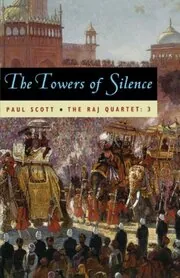
The Towers of Silence
by Paul Scott
1971
In the hill station of Pankot, British routines continue while the empire quietly breaks apart. Through Barbara Batchelor, the Laytons, and Ronald Merrick, Scott shows grief, cruelty, and divided loyalties spreading through both public life and private relationships.
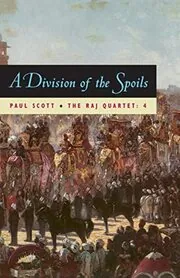
A Division of the Spoils
by Paul Scott
1975
As independence and Partition arrive, the last years of the Raj turn violent and uncertain. Old relationships splinter, new alliances form, and one final love story plays out against flight, fear, and the hurried British withdrawal.
The Raj Quartet books in chronological order
Series background & context
The Raj Quartet is made up of four linked novels, The Jewel in the Crown, The Day of the Scorpion, The Towers of Silence, and A Division of the Spoils. Together they follow the last phase of British rule in India, from the pressures of World War II through independence and Partition. Scott does not tell that history in a straight march from event to event. He circles it through memory, testimony, rumor, letters, and competing points of view, which is part of what gives the series its uneasy power.
At the center of the first book is the Bibighar Gardens incident, the assault on Daphne Manners and the accusation laid against Hari Kumar, an Indian man educated in England. Around them stands Ronald Merrick, a police officer whose bitterness and hunger for control poison much of what follows. As the series widens, the cast grows to include Sarah and Susan Layton, the missionary Barbara Batchelor, the soldier-teacher Guy Perron, and many Indian characters who experience the Raj not as a system of order but as a system of pressure and exclusion.
India is not just backdrop.
Scott moves between civil stations, hill towns like Pankot, princely states, regimental spaces, clubs, schools, railway journeys, and private houses. Those places matter because the Raj runs on habits, codes, and invisible borders, and the books keep showing how fragile those things are. War, nationalist protest, racial hierarchy, class snobbery, and plain fear push into drawing rooms and cantonments until even a dinner party or a car ride can feel politically charged. The setting is broad, but the drama is often carried in looks, silences, remembered slights, and private bargains.
The ongoing arc is the collapse of authority. Each book moves further into the unmaking of empire, from wartime tension and repression to the emotional wreckage left inside marriages, friendships, regiments, and families. By the time A Division of the Spoils reaches independence and Partition, the story is dealing with panic, flight, and the speed with which long-managed divisions turn openly violent. Love affairs, humiliations, acts of kindness, and acts of cruelty never sit outside that history. In Scott's hands, they are part of the machinery of it.
These are serious books, but not dry ones.
If you are deciding whether the quartet is for you, think of it as an intimate epic. It works as historical fiction, social novel, and psychological drama all at once. Scott is interested in race, class, desire, shame, and the stories people tell to protect themselves. The books later reached a much bigger audience through the television adaptation The Jewel in the Crown, but the novels remain broader, stranger, and more morally tangled than any screen version. They ask for patience, then reward it with depth.










Edited by
Software engineer whose passion for tracking book recommendations from podcasts inspired the creation of MRB.
Lead investor at 3one4 Capital whose startup expertise and love for books helped shape MRB and its growth.
Comments
Did we miss something? Have feedback?
Help us improve this page by sharing your thoughts