
The Perception Trilogy Books in Order
Part ofLee Strauss Books in OrderBrowse The Perception Trilogy by Lee Strauss in order, with summaries, world-building notes, and a clear starting point for this YA dystopian series.
Last updated:
As an Amazon Associate, we earn from qualifying purchases (at no extra cost to you).
The Perception Trilogy books in publication order
4 books

Ambition
by Lee Strauss
2012
This short prequel follows Noah Brody before *Perception*. Angry at the GAP system and drawn to Zoe despite himself, he begins the conflict that will reshape both their lives.
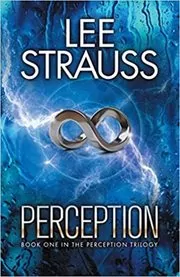
Perception
by Lee Strauss
2012
Zoe Vanderveen lives in privilege as a genetically altered teen inside a walled city. When her brother disappears, the only person who may help her is Noah Brody, the angry outsider she should never trust.
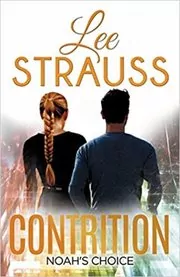
Contrition
by Lee Strauss
2013
In the final book of the trilogy, Zoe, Noah, and their allies hide in the desert while war looms. Love, loyalty, and survival all come to a head as the fight over their fractured future turns desperate.
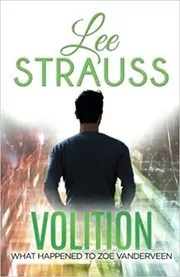
Volition
by Lee Strauss
2013
On the run after the events of *Perception*, Zoe and Noah are pushed from safe place to safe place with enemies closing in. Their bond is tested as the wider fight against the system grows more dangerous.
The Perception Trilogy books in chronological order
Series background & context
The Perception Trilogy is Lee Strauss in dystopian mode. Instead of country houses and clever detectives, these books give you a divided future where beauty, health, and long life are controlled by science, and where the gap between the privileged and everyone else has become a hard social wall.
That wall is literal for Zoe Vanderveen.
Zoe is a GAP, a genetically altered person raised inside the safety and luxury of a protected city. Noah Brody lives outside that system as a natural, and he hates everything the GAP world represents. When Zoe's brother Liam disappears, her sheltered life starts to crack. The person she should trust least, Noah, becomes the person she may need most.
From there, the trilogy opens into a larger story about power, class, technology, and control. Zoe and Noah begin as opposites, but Strauss uses that divide well. Their romance matters because it is tangled up in bigger questions about who gets to live safely, who gets discarded, and what a supposedly perfect society is hiding.
The tone is fast and emotional rather than cold or abstract. Even when the story brings in political unrest, rebellion, cyborgs, and pursuit, it stays centered on characters who are frightened, angry, loyal, and still figuring out who they are. Zoe has to unlearn comfort. Noah has to decide what resistance costs. Both of them keep getting pushed past the version of themselves they began with.
If you like YA dystopian stories from the era when romance, rebellion, and identity were all packed into the same book, this trilogy will feel familiar in a good way. It has the clean readability of Strauss's other work, but the world is harsher and the stakes broader.
At heart, Perception is about seeing clearly. Not just who the enemy is, but what kind of world the characters want to build once the old one starts breaking apart.









Edited by
Software engineer whose passion for tracking book recommendations from podcasts inspired the creation of MRB.
Lead investor at 3one4 Capital whose startup expertise and love for books helped shape MRB and its growth.
Comments
Did we miss something? Have feedback?
Help us improve this page by sharing your thoughts