
The Lost Stars (John G Hemry) Books in Order
Part ofJohn G Hemry Books in OrderSee The Lost Stars books by John G Hemry in order, with quick summaries, spin-off background, and guidance on where this Midway story fits.
Last updated:
As an Amazon Associate, we earn from qualifying purchases (at no extra cost to you).
The Lost Stars (John G Hemry) books in publication order
4 books

Tarnished Knight
by John G Hemry
2012
On Midway, former Syndicate leaders Gwen Iceni and Artur Drakon turn against the regime that made them. To survive, they must turn a brutal outpost into the beginning of something freer.

Perilous Shield
by John G Hemry
2013
Iceni and Drakon try to hold Midway together while enemies inside and outside their young state close in. Freedom looks possible, but the old Syndicate way of doing things is hard to kill.
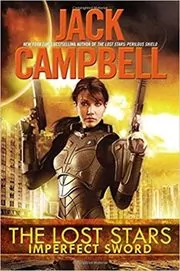
Imperfect Sword
by John G Hemry
2014
Midway's new government faces sabotage, mistrust, and pressure from stronger powers on every side. Iceni and Drakon need quick successes before their rebellion tears itself apart.
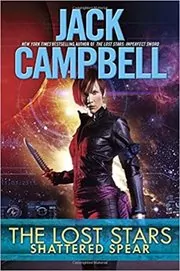
Shattered Spear
by John G Hemry
2016
More star systems rally to Midway, but alien movement and human betrayal threaten everything Iceni and Drakon are building. The new order could collapse before it is secure.
The Lost Stars (John G Hemry) books in chronological order
Series background & context
The Lost Stars is where John G. Hemry slows the fleet-wide view and zooms in on what political survival actually looks like after a rotten regime starts to fail. The books follow Gwen Iceni and Artur Drakon on Midway, two former Syndicate leaders who know the old system inside out because they helped enforce it. When they break with their masters, they are not stepping into freedom so much as trying to invent it under fire.
That is what makes the series tick.
Iceni and Drakon are not innocent people, and Hemry does not pretend otherwise. They are sharp, practical, wary, and fully aware that the habits of tyranny do not vanish because someone says the old order is over. Around them are officers, workers, citizens, and opportunists who have spent their whole lives learning that power lies, law is flexible, and mercy is dangerous. Building something better on Midway means fighting those assumptions every day.
So while the series has warships and military action, its real engine is institution-building. Can a new government hold together when everyone expects betrayal? Can old enemies become partners? Can leaders who were shaped by coercion learn to rule without it? Those questions give the books a more political and ground-level feel than the main Lost Fleet novels.
The tension also comes from outside. Syndic loyalists, Alliance interests, saboteurs, and later alien complications all press on Midway from different directions. The system that Iceni and Drakon are trying to create never gets time to settle. Every gain is fragile. Every compromise costs something.
That makes the series a good companion to Geary's story. Where The Lost Fleet often shows command from the top of a fleet, The Lost Stars shows the slower, dirtier work of turning victory into a livable society. It is less about legend and more about negotiation, suspicion, and survival.
Read it if Midway was the part of the universe you wanted more of.
These books are especially strong for readers who like military science fiction with real political texture, damaged but capable leads, and the uneasy question of whether people who once served a bad system can help build a better one.



Edited by
Software engineer whose passion for tracking book recommendations from podcasts inspired the creation of MRB.
Lead investor at 3one4 Capital whose startup expertise and love for books helped shape MRB and its growth.
Comments
Did we miss something? Have feedback?
Help us improve this page by sharing your thoughts