
The Longman Book Project Books in Order
Part ofMalorie Blackman Books in OrderBrowse The Longman Book Project books by Malorie Blackman in order, with quick summaries, reading guidance, and background on these early readers.
Last updated:
As an Amazon Associate, we earn from qualifying purchases (at no extra cost to you).
The Longman Book Project books in publication order
3 books
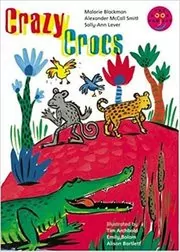
Crazy Crocs
by Malorie Blackman
1994
An unusual crocodile problem turns into a quick, lively adventure for newer readers. Blackman keeps the story simple, energetic, and just odd enough to feel exciting.
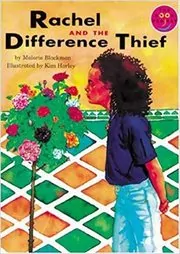
Rachel and the Difference Thief
by Malorie Blackman
1994
Rachel is pulled into a small but memorable mystery that turns an ordinary day into a hunt for answers. It is a short, accessible early reader with Blackman's usual sense of pace and playfulness.
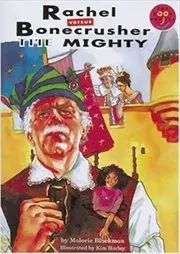
Rachel Versus Bonecrusher the Mighty
by Malorie Blackman
1994
Rachel faces off against the alarming Bonecrusher the Mighty in a showdown that feels huge from a child's point of view. It is short, funny, and ideal for readers building confidence.
The Longman Book Project books in chronological order
Series background & context
The Longman Book Project is a little different from Malorie Blackman's more obvious series. It is not one long, continuous saga with a single grand plot. Instead, it is a group of short, accessible reading-scheme books written to help children build confidence while still getting a proper story. Blackman's contributions include Rachel Versus Bonecrusher the Mighty, Rachel and the Difference Thief, and Crazy Crocs, and together they show how good she is at writing clearly without writing down to young readers.
These books are built to be read, not admired from a distance.
That matters because the project is closely tied to literacy and classroom use. The sentences are manageable, the plots move quickly, and the books are shaped around situations that younger readers can follow without losing the thread. But they still feel like Blackman. The stories have bounce, humour, and a sense that something slightly odd or slightly unfair is always about to happen.
In the Rachel books, the scale is deliberately child-sized. Rivalries, worries, arguments, and strange little problems become the centre of the action. Blackman understands how big these things can feel to a child, so the books never shrug them off. A title like Rachel Versus Bonecrusher the Mighty sounds dramatic because, in the world of a young reader, it is dramatic. That sense of proportion is part of the pleasure.
The settings are mostly familiar, which helps keep the stories grounded. Homes, schools, playgrounds, and ordinary routines become the backdrop for small mysteries and comic conflicts. That recognisable world lets new readers focus on character and action rather than trying to decode a complicated fantasy setting. When something unusual happens, it lands with more force because everything around it feels normal.
Crazy Crocs fits the same general pattern, even if it comes at the reader from a slightly different angle. Like the Rachel titles, it offers a brisk, focused adventure that is easy to step into and easy to finish. That is one of the strengths of the whole project. Each book gives a reader a complete experience, a setup, a problem, some tension, and a satisfying end, in a format that feels achievable.
So the background here is less about one ongoing cast marching from book to book and more about a shared purpose and tone. These are early readers with personality. They are short, lively, and practical, but never dry. Blackman uses them to prove that even a beginner book can have comic timing, momentum, and a real point of view.
If you are coming to these titles now, it helps to think of them as a cluster of first independent reads rather than a strict narrative sequence. What links them is their readability, their everyday settings, and Blackman's gift for turning apparently small problems into stories that feel worth solving.

Edited by
Software engineer whose passion for tracking book recommendations from podcasts inspired the creation of MRB.
Lead investor at 3one4 Capital whose startup expertise and love for books helped shape MRB and its growth.
Comments
Did we miss something? Have feedback?
Help us improve this page by sharing your thoughts