
The Last Zombie Books in Order
Part ofBrian Keene Books in OrderBrowse Brian Keene's The Last Zombie comics in order, with short summaries, arc background, and a clear guide to this post-apocalyptic road saga.
Last updated:
As an Amazon Associate, we earn from qualifying purchases (at no extra cost to you).
The Last Zombie books in publication order
5 books
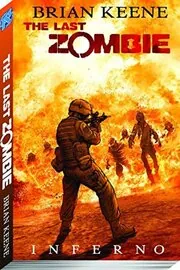
Inferno
by Brian Keene
2011
Ian Scott and his team keep moving through post-zombie America while wildfire, radiation, and human desperation close in from every side. Survival is hard enough before the virus inside Ian gets worse.

Before the After
by Brian Keene
2013
A blizzard forces a band of survivors to shelter in an abandoned hotel, where boredom gives way to confession and suspicion. While the snow piles up, hidden wounds and dangerous secrets start coming loose.
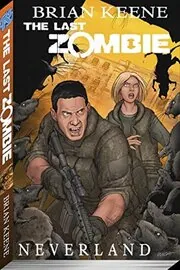
Neverland
by Brian Keene
2013
In a shattered post-zombie world, Ian Scott's group reaches a community of children who somehow survived without adults. The refuge offers hope, but not nearly enough safety.
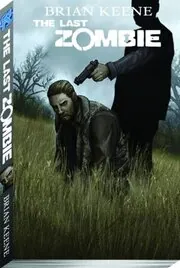
The End
by Brian Keene
2013
The final stretch turns brutal as survivors end up imprisoned in the ruins of Chicago while Ian's condition worsens fast. Rescue, revenge, and the zombie virus all hit at once.
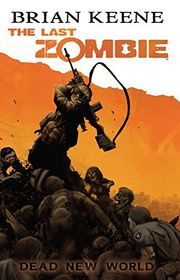
Dead New World
by Brian Keene
2015
Set after civilization's collapse, this post-zombie story follows survivors learning the hard rules of a ruined America. The dead are still dangerous, but the new world around them may be worse.
The Last Zombie books in chronological order
Series background & context
The Last Zombie takes Brian Keene's interest in the undead and pushes it into comics form, with a stronger road-story feel than some of his prose zombie work. This is not the first frantic hour of the apocalypse. The country is already wrecked. The first wave has burned through. What remains is a broken America where infection, hunger, wildlife, and desperate people are all competing to finish off whoever is left.
At the center is Dr. Ian Scott.
Ian is one of the series' main anchors, and a lot of the tension comes from how little room there is for weakness in this world. He is trying to keep moving across the ruins of the United States, and in later arcs he is surrounded by soldiers, scientists, and fellow survivors who all need different things from him. The series starts with the basic pull of reunion and survival, then gradually opens out into something bigger, a long, ugly trek across a post-zombie wasteland where every new safe stop turns out to be temporary.
That structure lets the comic keep changing scenery without losing its purpose. One arc may throw the group against marauders, another against wildfire and the fallout from a reactor meltdown, another toward a community of children who somehow made it through without the adults, and another into the forced stillness of a blizzard and a boarded-up hotel. The undead are never fully gone, but the books are just as interested in what comes after the first collapse. Who is trying to rebuild? Who is lying about it? Who is already too damaged to care?
Because it is a comic, the series leans into motion. Vehicles, ruined highways, collapsing towns, and hostile landscapes all matter. But the emotional thread is what gives it shape. Ian is not traveling through a sandbox. He is carrying secrets, making ugly compromises, and trying to stay useful in a world where usefulness often gets measured in bullets and supplies.
The tone sits somewhere between zombie horror, military survival story, and post-apocalyptic road drama. If you like stories where the living can be just as dangerous as the dead, and where every patch of ground has to be earned, this series delivers that very well. It also works nicely for readers who want Keene's undead sensibility in a format built for cliffhangers, sharp turns, and long journeys through terrible country.


Edited by
Software engineer whose passion for tracking book recommendations from podcasts inspired the creation of MRB.
Lead investor at 3one4 Capital whose startup expertise and love for books helped shape MRB and its growth.
Comments
Did we miss something? Have feedback?
Help us improve this page by sharing your thoughts